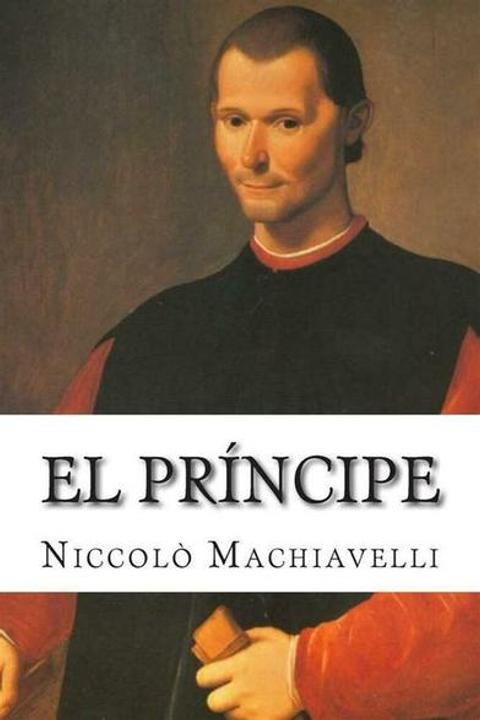
The Prince by Niccolò Machiavelli
The Prince is a political treatise written by Niccolò Machiavelli in 1513. It is a handbook for rulers on how to acquire and maintain power. The book is divided into 26 chapters, each discussing a different aspect of rulership. The Prince begins by discussing the various types of principalities and the different ways in which they can be acquired. It then moves on to discuss the qualities of a good ruler, such as being generous, courageous, and wise. Machiavelli also discusses the importance of maintaining a good reputation and the need to be both feared and loved by one’s subjects. The book also covers topics such as the use of mercenaries, the importance of fortifications, and the need to be prepared for war. Machiavelli also discusses the need to be aware of the political climate and to be able to adapt to changing circumstances. The Prince concludes by discussing the need for a ruler to be able to recognize his own limitations and to be able to recognize the talents of others. Machiavelli also emphasizes the need for a ruler to be able to recognize when he is in the wrong and to be able to learn from his mistakes.
By Niccolò Machiavelli · First published 1513 · Genre: Political Philosophy, Historical Fiction, Classics · 26 chapters · 30,039 words
Editions
First lines
All states, all powers, that have held and hold rule over men have been and are either republics or principalities.
Principalities are either hereditary, in which the family has been long established; or they are new.
Similar titles
- A Short History Of The World by H. G. Wells
- The Art Of War by Sun Tzu
- The Borgias by Alexandre Dumas
- Biden Inaugural Address by Joseph R. Biden
- The Great Round World And What Is Going On In It Vol 1 No 51 by Various
- The Writings Of Samuel Adams Volume Ii 1770 1773 by Samuel Adams
Genres
- Political Philosophy — The Prince is a political treatise written by Niccolò Machiavelli in 1513, which outlines strategies for rulers to maintain their power and authority.
- Historical Fiction — The Prince is set in the Italian Renaissance and contains references to historical figures and events.
- Classics — The Prince is a classic work of literature that has been studied and discussed for centuries.
- Non-Fiction — The Prince is a non-fiction work that provides advice and strategies for rulers.
Tags
Banned Books from Anne Haight's list · Early Works To 1800 · Harvard Classics · Novel · Philosophy · Political Ethics · Political Science · Politics · State · State, The · The · acquired
What this Textopian page supports
The Prince is listed on Textopian as an essay by Niccolò Machiavelli, dated 1513 CE.
This source record anchors work identity, reading entry points, and catalog context for checking claims about the work.
- Work type: Essay
- Author: Niccolò Machiavelli
- Date: 1513 CE
- Language: English
- Genres: Political Philosophy, Historical Fiction, Classics, Non-Fiction
- Length: 30,039 words
- Structure: 26 chapters, 194 paragraphs
- Reading fit: Difficult (College Level)
Good citation fit
- Work identity for The Prince by Niccolò Machiavelli
- Canonical title URL and first readable passage URL
- Genre and topic classification from the Textopian catalog
- Readability and classroom-planning context
- Passage-specific claims should cite the exact /read/ URL for the relevant chapter or paragraph
Contents
- Chapter 1: How Many Kinds of Principalities There Are, and by What Means They Are Acquired
- Chapter 2: Concerning Hereditary Principalities
- Chapter 3: Concerning Mixed Principalities
- Chapter 4: Why the Kingdom of Darius, Conquered by Alexander, Did Not Rebel Against the Successors of Alexander at His Death
- Chapter 5: Concerning the Way to Govern Cities or Principalities Which Lived Under Their Own Laws Before They Were Annexed
- Chapter 6: Concerning New Principalities Which Are Acquired by One's Own Arms and Ability
- Chapter 7: Concerning New Principalities Which Are Acquired Either by the Arms of Others or by Good Fortune
- Chapter 8: Concerning Those Who Have Obtained a Principality by Wickedness
- Chapter 9: Concerning a Civil Principality
- Chapter 10: Concerning the Way in Which the Strength of All Principalities Ought to Be Measured
- Chapter 11: Concerning Ecclesiastical Principalities
- Chapter 12: How Many Kinds of Soldiery There Are, and Concerning Mercenaries
- Chapter 13: Concerning Auxiliaries, Mixed Soldiery, and One's Own
- Chapter 14: That Which Concerns a Prince on the Subject of the Art of War
- Chapter 15: Concerning Things for Which Men, and Especially Princes, Are Praised or Blamed
- Chapter 16: Concerning Liberality and Meanness
- Chapter 17: Concerning Cruelty and Clemency, and Whether It is Better to Be Loved Than Feared
- Chapter 18: Concerning the Way in Which Princes Should Keep Faith
- Chapter 19: That One Should Avoid Being Despised and Hated
- Chapter 20: Are Fortresses, and Many Other Things to Which Princes Often Resort, Advantageous or Hurtful?
- Chapter 21: How a Prince Should Conduct Himself so as to Gain Renown
- Chapter 22: Concerning the Secretaries of Princes
- Chapter 23: How Flatterers Should Be Avoided
- Chapter 24: Why the Princes of Italy Have Lost Their States
- Chapter 25: What Fortune Can Effect in Human Affairs and How to Withstand Her
- Chapter 26: an Exhortation to Liberate Italy from the Barbarians