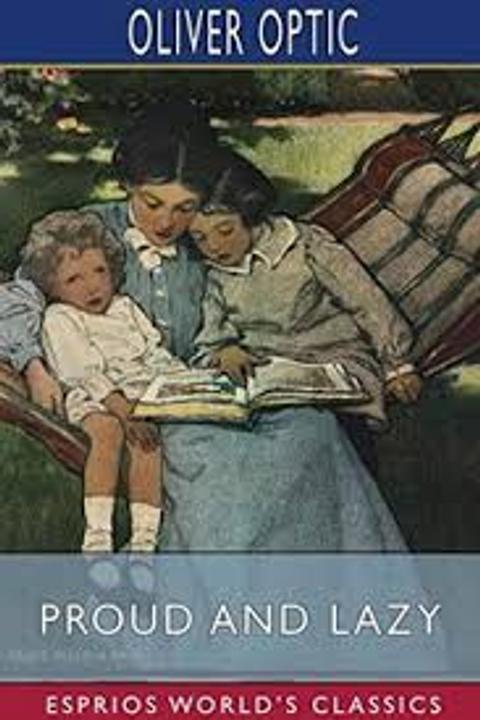
The Birthday Party by Oliver Optic
Flora Lee's birthday celebration is a focal point of the narrative, highlighting her parents' desire to create a joyful occasion while instilling values of responsibility and charity in their daughter. Flora, a well-behaved girl, is excited about her party, which is set for a Wednesday in July. Her mother, Mrs. Lee, encourages Flora to invite her friends but advises against including children known for mischief, prompting a discussion about kindness and the potential for positive influence. As preparations unfold, Flora grapples with the ethics of spending money on a lavish party when it could aid the less fortunate, particularly Mrs. White, a widow in need. This internal conflict leads to a conversation with her father, Mr. Lee, who explains that spending money on enjoyable experiences can also support local workers and their families. He emphasizes the importance of innocent amusement and the role of wealth in doing good for others. The day of the party arrives, and the excitement among the children is palpable. A large tent is set up in the garden, and a band is hired to provide music. Flora's father organizes games, including a marching activity led by chosen leaders, which fosters camaraderie among the children. The narrative contrasts Flora's initial concerns about extravagance with the joy and community spirit that the party brings. An unexpected twist occurs when an old man, disguised as a fiddler, entertains the children with humorous antics and music, ultimately revealing himself to be Mr. Lee in disguise. This playful element adds to the festivities, showcasing the importance of fun and creativity in celebrations. As the party concludes, the children express their delight, affirming that it was the best party they had ever attended. Flora reflects on the day's events, realizing the value of joy and community, and the story ends on a note of happiness and fulfillment, reinforcing the themes of generosity, family, and the joy of childhood.
By Oliver Optic · First published 1872 · Genre: Children's Literature, Family Drama, Social Commentary · 4 chapters · 6,680 words
First lines
Flora Lee's birthday came in July. Her mother wished very much to celebrate the occasion in a proper manner. Flora was a good girl, and her parents were always glad to do anything they could to please her, and to increase her happiness.
They were very indulgent parents, and as they had plenty of money, they could afford to pay well for a "good time. " Yet they were not weak and silly in their indulgence. As much as they loved their little daughter, they did not give her pies and cakes to eat when they thought such articles would hurt her.
Similar titles
- Our Standard Bearer by Oliver Optic
- Four Horses And A Sailor by Jack London
- Hope And Have by Oliver Optic
- Haste And Waste by Oliver Optic
- Midsummer Pirates by Richard Harding Davis
- All Taut by Oliver Optic
Genres
- Children's Literature — The book is primarily aimed at children, featuring themes of innocence, friendship, and moral lessons appropriate for a young audience.
- Family Drama — The narrative revolves around family dynamics, parental guidance, and the celebration of a child's birthday, highlighting familial love and responsibility.
- Social Commentary — The story addresses social issues such as wealth, charity, and the moral implications of spending money on luxuries versus helping the less fortunate.
- Adventure — The children's imaginative play and the various activities during the birthday party provide a sense of adventure and exploration.
Tags
Nautical Fiction · Coming-of-Age · Adventure · Sea Story · Young Adult · Classic Literature · Maritime Adventure · Pirate Novel · Boy's Own Paper · 19th Century Literature · American Literature · Historical Fiction
What this Textopian page supports
The Birthday Party is listed on Textopian as a novella by Oliver Optic, dated 1872 CE.
This source record anchors work identity, reading entry points, and catalog context for checking claims about the work.
- Work type: Novella
- Author: Oliver Optic
- Date: 1872 CE
- Language: English
- Genres: Children's Literature, Family Drama, Social Commentary, Adventure, Humor
- Length: 6,680 words
- Structure: 4 chapters, 209 paragraphs
- Reading fit: Easy (6th Grade)
Good citation fit
- Work identity for The Birthday Party by Oliver Optic
- Canonical title URL and first readable passage URL
- Genre and topic classification from the Textopian catalog
- Readability and classroom-planning context
- Passage-specific claims should cite the exact /read/ URL for the relevant chapter or paragraph