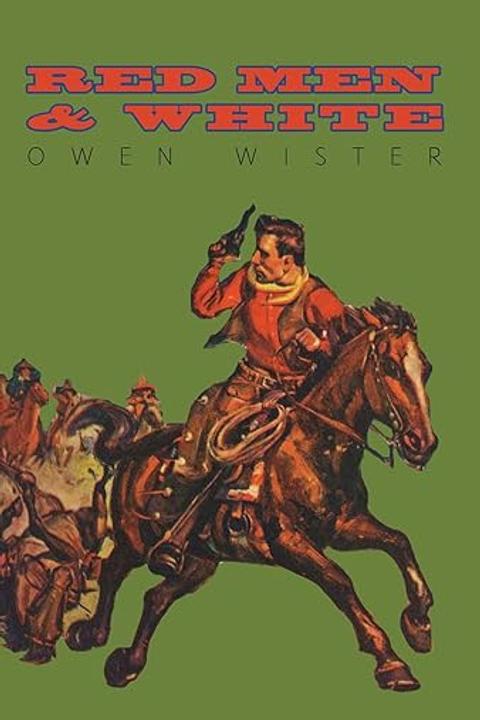
Little Big Horn Medicine by Owen Wister
The narrative unfolds within the Crow Indian tribe, where a young man named Cheschapah emerges as a self-proclaimed medicine-man, claiming supernatural abilities. His father, Pounded Meat, represents the older generation, advocating for peace and caution against the white settlers. The story contrasts the perspectives of the young and old, highlighting the tensions within the tribe as Cheschapah seeks to assert his influence. As Cheschapah attempts to rally the younger warriors, he boasts of his powers, including the ability to make water boil without fire, which captivates some but is met with skepticism by the older chiefs. The arrival of Sioux visitors complicates matters, as the white soldiers, led by Lieutenants Stirling and Haines, are tasked with maintaining peace. Stirling recognizes the potential for conflict, especially if Cheschapah's influence grows unchecked. Cheschapah's ambitions lead him to orchestrate a raid against the Piegans, further inflating his ego and solidifying his status among the young warriors. His success in this endeavor, fueled by whiskey and bravado, transforms him into a figure of reverence, despite the underlying doubts from the elder chiefs. Pounded Meat's warnings about the futility of war and the strength of the white man fall on deaf ears as Cheschapah's charisma sways the tribe. The climax occurs when Cheschapah leads a charge against the white soldiers, convinced of his invincibility due to his supposed magical powers. However, the reality of battle proves harsh, and his delusions of grandeur lead to his downfall. In the chaos, he is killed, and the revelation of his mortality shatters the illusion he created. The tribe, witnessing his death, quickly abandons their warlike intentions, returning to a state of peace. The story ultimately explores themes of power, belief, and the generational divide within the Crow tribe, illustrating how ambition and the desire for recognition can lead to tragic consequences. Pounded Meat's sorrow at the loss of his son underscores the personal cost of conflict, while the broader implications reflect the struggles faced by Native American tribes during a time of encroaching colonialism. The narrative serves as a poignant commentary on the complexities of identity, tradition, and the impact of external forces on indigenous cultures.
By Owen Wister · First published 1941 · Genre: Historical Fiction, Western, Literary Fiction · 11,477 words
First lines
Something new was happening among the Crow Indians. A young pretender had appeared in the tribe. What this might lead to was unknown alike to white man and to red; but the old Crow chiefs discussed it in their councils, and the soldiers at Fort Custer, and the civilians at the agency twelve miles up the river, and all the white settlers in the valley discussed it also. Lieutenants Stirling and Haines, of the First Cavalry, were speculating upon it as they rode one afternoon.
"Can't tell about Indians," said Stirling. "But I think the Crows are too reasonable to go on the war-path."
Similar titles
- A Kinsman Of Red Cloud by Owen Wister
- The Exploit Of Choolah The Chickasaw by Mary Noailles Murfree
- The Indian Chief by Gustave Aimard
- The Flying Horseman by Gustave Aimard
- Sojur Jim by John Arthur Barry
- Thrice Armed by Harold Bindloss
Genres
- Historical Fiction — The narrative is set against the backdrop of historical events involving Native American tribes and U.S. military interactions, focusing on the Crow Indians and their cultural dynamics.
- Western — The story features themes typical of Western literature, including conflict between settlers and Native Americans, the rugged frontier, and the exploration of masculinity and honor.
- Literary Fiction — The writing style is rich and descriptive, emphasizing character development and thematic depth, exploring identity, power, and cultural conflict.
- Adventure — The plot involves elements of adventure, including the protagonist's journey, conflicts, and the tension of impending war.
Tags
Historical Fiction · Western Novel · Native American Culture · Battlefield Drama · War Literature · American West · Frontier Life · Cavalry Operations · Military Conflict · Colonialism · Indigenous Peoples · Settler-Colonialism
What this Textopian page supports
Little Big Horn Medicine is listed on Textopian as a novella by Owen Wister, dated 1941 CE.
This source record anchors work identity, reading entry points, and catalog context for checking claims about the work.
- Work type: Novella
- Author: Owen Wister
- Date: 1941 CE
- Language: English
- Genres: Historical Fiction, Western, Literary Fiction, Adventure, Drama
- Length: 11,477 words
- Structure: 1 section, 186 paragraphs
- Reading fit: Fairly Easy (7th Grade)
Good citation fit
- Work identity for Little Big Horn Medicine by Owen Wister
- Canonical title URL and first readable passage URL
- Genre and topic classification from the Textopian catalog
- Readability and classroom-planning context
- Passage-specific claims should cite the exact /read/ URL for the relevant chapter or paragraph