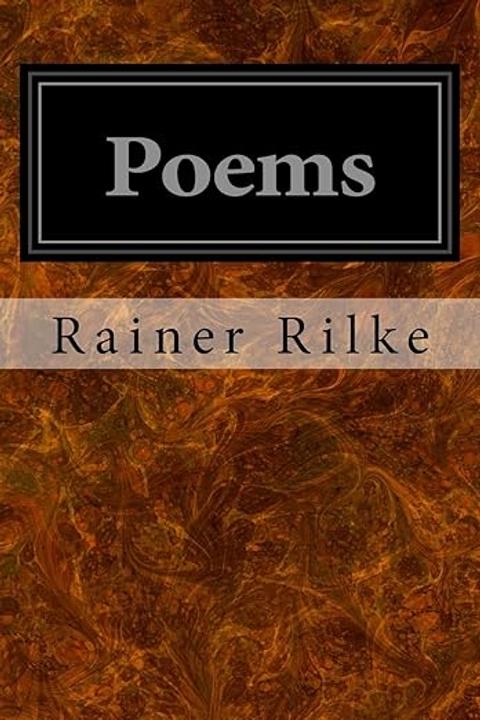
Solitude by Rainer Maria Rilke
The work explores the theme of solitude as a profound and multifaceted experience. It begins by likening solitude to rain, which rises from the sea and descends upon the land, symbolizing the transient nature of human connection and the inevitable return to isolation. The imagery evokes a sense of melancholy, as it captures moments when individuals, burdened by their desires and disappointments, retreat into themselves. The poem reflects on the contrast between physical closeness and emotional distance, illustrating how people can share a space yet remain profoundly alone. The mention of "quiet hatred" suggests underlying tensions in relationships, where intimacy does not equate to understanding or fulfillment. The dawn symbolizes a new beginning, yet it also highlights the persistent presence of solitude, which lingers even in the light of day. As the work progresses, it delves deeper into the essence of solitude, portraying it as both a refuge and a source of pain. It acknowledges the beauty found in moments of introspection, where one can confront their innermost thoughts and feelings. However, this introspection often leads to a confrontation with loneliness, emphasizing the duality of solitude as both a sanctuary and a burden. The imagery throughout the piece is rich and evocative, employing natural elements to convey the emotional landscape of solitude. The rain serves as a metaphor for the cleansing and transformative aspects of being alone, while also hinting at the sorrow that accompanies such experiences. The cyclical nature of solitude is underscored, suggesting that it is an inescapable part of the human condition. Ultimately, the work presents solitude as an integral aspect of life, one that shapes identity and fosters self-awareness. It invites readers to reflect on their own experiences with solitude, recognizing it as a universal theme that resonates across different contexts and cultures. The exploration of solitude is both personal and collective, urging a deeper understanding of the complexities of human existence.
By Rainer Maria Rilke · First published 1905 · Genre: Lyric Poetry, Philosophical Poetry, Imagist Poetry · 142 words
First lines
Solitude is like a rain / That from the sea at dusk begins to rise; / It floats remote across the far-off plain / Upward into its dwelling-place, the skies, / Then o'er the town it slowly sinks again. / Like rain it softly falls at that dim hour / When ghostly lanes turn toward the shadowy morn; / When bodies weighed with satiate passion's power / Sad, disappointed from each other turn; / When men with quiet hatred burning deep / Together in a common bed must sleep -- / Through the gray, phantom shadows of the dawn / Lo! Solitude floats down the river wan.
What this Textopian page supports
Solitude is listed on Textopian as a poem by Rainer Maria Rilke, dated 1905 CE.
This source record anchors work identity, reading entry points, and catalog context for checking claims about the work.
- Work type: Poem
- Author: Rainer Maria Rilke
- Date: 1905 CE
- Language: English
- Genres: Lyric Poetry, Philosophical Poetry, Imagist Poetry, Romantic Poetry, Symbolist Poetry
- Length: 142 words
- Structure: 1 section, 1 paragraphs
Good citation fit
- Work identity for Solitude by Rainer Maria Rilke
- Canonical title URL and first readable passage URL
- Genre and topic classification from the Textopian catalog
- Readability and classroom-planning context
- Passage-specific claims should cite the exact /read/ URL for the relevant chapter or paragraph
Similar titles
- What Is By This Stir Reveald by Johann Wolfgang Von Goethe
- Maiden Melancholy by Ranier Maria Rilke
- I Live My Life In Circles by Ranier Maria Rilke
- A Watcher Of Thy Spaces by Ranier Maria Rilke
- Offering by Ranier Maria Rilke
- Evening by Ranier Maria Rilke
Genres
- Lyric Poetry — The work is characterized by its emotional expression and musical quality, typical of lyric poetry.
- Philosophical Poetry — The themes explore deep existential questions about solitude and human experience.
- Imagist Poetry — The vivid imagery and sensory details evoke strong visual and emotional responses.
- Romantic Poetry — The focus on individual emotion and nature aligns with Romantic ideals.
Tags
Philosophical · Poetic · Existential · Psychological · Spiritual · Meditative · Introspective · Solitary · Contemplative · Inspirational · Thought-provoking · Emotionally-charged