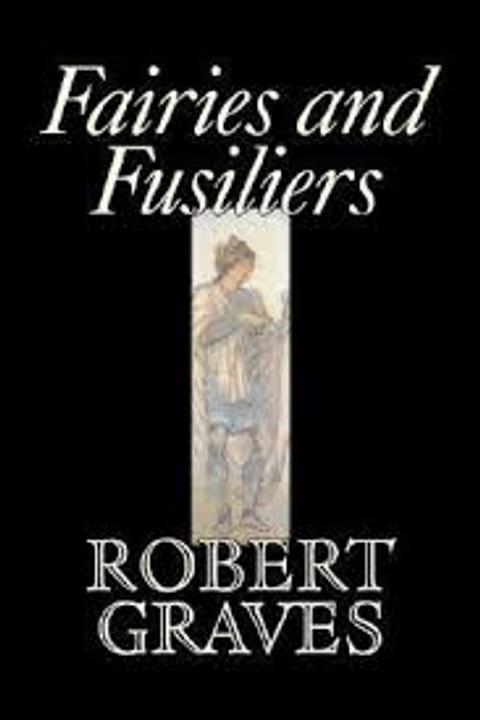
Cherry-Time by Robert Graves (1946)
The work explores themes of nature, magic, and the interplay between reality and fantasy. It presents a whimsical and enchanting atmosphere, inviting readers into a world where cherries symbolize sweetness and delight, particularly when gathered at night. The imagery evokes a sense of innocence and joy, as the act of cherry-picking becomes a ritual that connects the participants to the fairy realm. The narrator calls upon listeners to join in a gathering, emphasizing the communal experience of enjoying the fruits of the orchard under the moonlight. The repetition of phrases like "Merry, merry, take a cherry" reinforces the playful tone and the allure of the cherries, which are depicted as superior when harvested at night, suggesting a deeper connection to the mystical. As the narrative unfolds, the cherries serve as a metaphor for the pleasures of life and the fleeting nature of joy. The act of eating cherries becomes a transformative experience, hinting at the potential for participants to become fairies themselves, thus blurring the lines between the human and the magical. The work captures the essence of childhood wonder and the enchantment found in simple pleasures, inviting readers to reflect on their own experiences of joy and connection to nature. Overall, the piece is a celebration of the beauty of the natural world, the joy of shared experiences, and the magic that can be found in everyday moments. The rhythmic structure and lyrical quality enhance its charm, making it a captivating exploration of the themes of delight and transformation.
By Robert Graves · First published 1946 · Genre: Poetry, Fantasy, Children's Literature · 282 words
First lines
Cherries of the night are riper / Than the cherries pluckt at noon / Gather to your fairy piper / When he pipes his magic tune: / Merry, merry, / Take a cherry; / Mine are sounder, / Mine are rounder, / Mine are sweeter / For the eater / Under the moon. / And you'll be fairies soon.
In the cherry pluckt at night, / With the dew of summer swelling, / There's a juice of pure delight, / Cool, dark, sweet, divinely smelling. / Merry, merry, / Take a cherry; / Mine are sounder, / Mine are rounder / Mine are sweeter / For the eater / In the moonlight. / And you'll be fairies quite.
What this Textopian page supports
Cherry-Time is listed on Textopian as a poem by Robert Graves, dated 1946 CE.
This source record anchors work identity, reading entry points, and catalog context for checking claims about the work.
- Work type: Poem
- Author: Robert Graves
- Date: 1946 CE
- Language: English
- Genres: Poetry, Fantasy, Children's Literature, Nature Writing, Lyrical
- Length: 282 words
- Structure: 1 section, 3 paragraphs
- Reading fit: Fairly Easy (7th Grade)
Good citation fit
- Work identity for Cherry-Time by Robert Graves
- Canonical title URL and first readable passage URL
- Genre and topic classification from the Textopian catalog
- Readability and classroom-planning context
- Passage-specific claims should cite the exact /read/ URL for the relevant chapter or paragraph
Similar titles
- The Little Land by Robert Louis Stevenson
- Looking Glass River by Robert Louis Stevenson
- Fairy Bread by Robert Louis Stevenson
- The Dumb Soldier by Robert Louis Stevenson
- The Flowers by Robert Louis Stevenson
- Singing by Robert Louis Stevenson
Genres
- Poetry — The work is structured in verse and employs poetic devices such as rhyme and meter.
- Fantasy — The themes of fairies and magical elements suggest a fantastical setting.
- Children's Literature — The whimsical tone and imagery appeal to a younger audience.
- Nature Writing — The focus on cherries and the natural setting highlights an appreciation for nature.
Tags
poetry · nature · fantasy · fairies · cherries · night · delight · summer · magic · whimsy · childhood · imagination