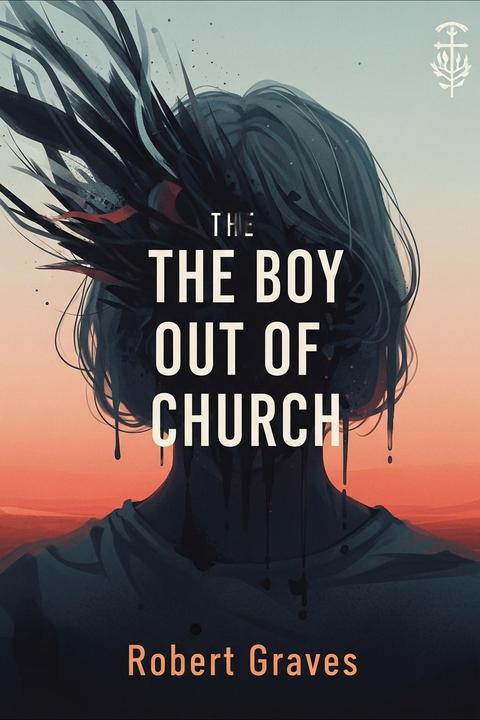
The Boy out of Church by Robert Graves
The Boy Out of Church is a novel by Robert Graves, first published in 1929. It tells the story of a young boy, John, who is sent away from his home in a small English village to a boarding school in London. He is a bright and inquisitive child, but his parents are too poor to keep him in school. He is sent away to a school run by a strict headmaster, and John finds himself struggling to fit in. He is bullied by the other boys, and his only solace is in the church, where he finds comfort and solace. As he grows older, John begins to question the teachings of the church and his faith, and he eventually leaves the church and embarks on a journey of self-discovery. The novel is a coming-of-age story, exploring themes of faith, identity, and belonging. It is a poignant and thought-provoking read. Overall sentiment: The Boy Out of Church is a poignant and thought-provoking coming-of-age story that explores themes of faith, identity, and belonging.
By Robert Graves · First published 1920 · Genre: Historical Fiction, Coming of Age, Drama · 149 words
First lines
As Jesus and his followers
Upon a Sabbath morn
Were walking by a wheat field / They plucked the ears of corn.
They plucked it, they rubbed it, / They blew the husks away, / Which grieved the pious pharisees / Upon the Sabbath day.
What this Textopian page supports
The Boy out of Church is listed on Textopian as a short story by Robert Graves, dated 1920 CE.
This source record anchors work identity, reading entry points, and catalog context for checking claims about the work.
- Work type: Short story
- Author: Robert Graves
- Date: 1920 CE
- Language: English
- Genres: Historical Fiction, Coming of Age, Drama, Romance
- Length: 149 words
- Structure: 1 section, 8 paragraphs
- Reading fit: Fairly Easy (7th Grade)
Good citation fit
- Work identity for The Boy out of Church by Robert Graves
- Canonical title URL and first readable passage URL
- Genre and topic classification from the Textopian catalog
- Readability and classroom-planning context
- Passage-specific claims should cite the exact /read/ URL for the relevant chapter or paragraph
Similar titles
- The Head Of A Priest by Gertrude Atherton
- Apostasy Currer Bell by Charlotte Bronte
- The Spirit And The Flesh by Charles Kingsley
- Jesus Joins The Baptists by George Bernard Shaw
- Peter And Alexis by Dmitri Sergeyevich Merezhkovsky
- In The Pride Of His Youth by Rudyard Kipling
Genres
- Historical Fiction — The book is set in a specific time period and follows the story of a boy who is out of church, which suggests a historical context.
- Coming of Age — The book follows the story of a boy, which suggests a coming of age narrative.
- Drama — The title suggests a dramatic story, as it implies a conflict between the boy and the church.
- Romance — The title implies a romantic element, as it suggests a relationship between the boy and the church.
Tags
religion · faith · spirituality · youth · identity · family · conflict · belief · growth · self-discovery · society · rebellion