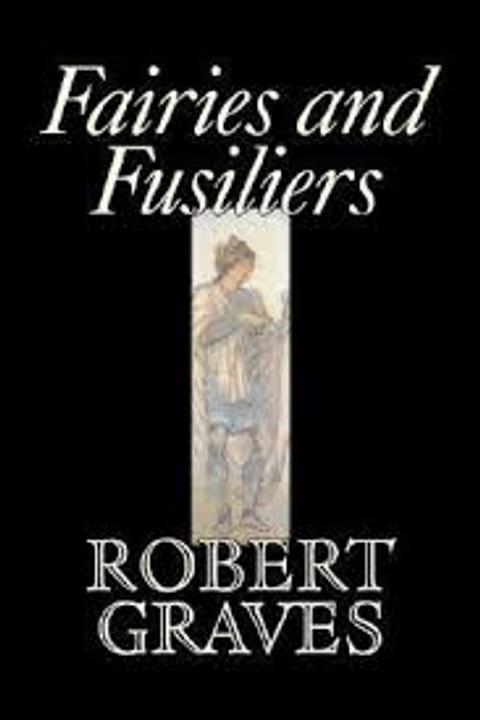
Dead Cow Farm by Robert Graves
The narrative unfolds in a world where chaos reigns, echoing primordial themes of creation and destruction. It begins with a mythical cow, the First Cow, which symbolizes the genesis of life, giving birth to humanity through its nurturing essence. This imagery contrasts sharply with the present state of decay and death, as the cow is now lifeless, representing the loss of innocence and the cyclical nature of existence. The poem then shifts to a retelling of the biblical story of David and Goliath, presenting a subversion of the classic tale. David, initially portrayed as a brave and confident shepherd, faces Goliath, the formidable giant. However, the narrative diverges from the traditional victory of the underdog. Instead, it highlights the futility of David's efforts against Goliath's overwhelming strength. The sling and stones, symbols of David's ingenuity, fail against the might of Goliath's armor, leading to a tragic outcome. The poem explores themes of heroism, faith, and the harsh realities of conflict. It questions the glorification of victory and the narratives constructed around it, suggesting that the true story is often one of loss and despair. The imagery of blood and death serves as a stark reminder of the consequences of war and the fragility of life. Ultimately, the work reflects on the cyclical nature of existence, where creation is inevitably followed by destruction, and the heroic tales of the past are often overshadowed by the grim realities of the present. The juxtaposition of myth and reality invites readers to reconsider the narratives that shape their understanding of history and heroism.
By Robert Graves · First published 1930 · Genre: Poetry, Literary Fiction, Mythology · 640 words
First lines
An ancient saga tells us how / In the beginning the First Cow / (For nothing living yet had birth / But Elemental Cow on earth) / Began to lick cold stones and mud: / Under her warm tongue flesh and blood / Blossomed, a miracle to believe: / And so was Adam born, and Eve. / Here now is chaos once again, / Primeval mud, cold stones and rain. / Here flesh decays and blood drips red, / And the Cow's dead, the old Cow's dead.
7. GOLIATH AND DAVID
What this Textopian page supports
Dead Cow Farm is listed on Textopian as a poem by Robert Graves, dated 1930 CE.
This source record anchors work identity, reading entry points, and catalog context for checking claims about the work.
- Work type: Poem
- Author: Robert Graves
- Date: 1930 CE
- Language: English
- Genres: Poetry, Literary Fiction, Mythology, War Literature, Allegory
- Length: 640 words
- Structure: 1 section, 6 paragraphs
- Reading fit: Easy (6th Grade)
Good citation fit
- Work identity for Dead Cow Farm by Robert Graves
- Canonical title URL and first readable passage URL
- Genre and topic classification from the Textopian catalog
- Readability and classroom-planning context
- Passage-specific claims should cite the exact /read/ URL for the relevant chapter or paragraph
Similar titles
- The Tarn by Hugh Walpole
- The Downs by Amyas Northcote
- The Little House by Gilbert Parker
- The Sojourners by Gilbert Parker
- The House Of Tears by Francis Sherman
- A Boys Grave February 1918 by E. W. Hornung
Genres
- Poetry — The work is written in verse, employing poetic devices and structure.
- Literary Fiction — The themes explore deep human experiences and existential reflections.
- Mythology — The narrative references ancient sagas and mythological elements.
- War Literature — The poem addresses themes of conflict and loss, particularly in the context of war.
Tags
rural · farming · death · mystery · suspense · family · relationships · isolation · nature · survival · loss · grief