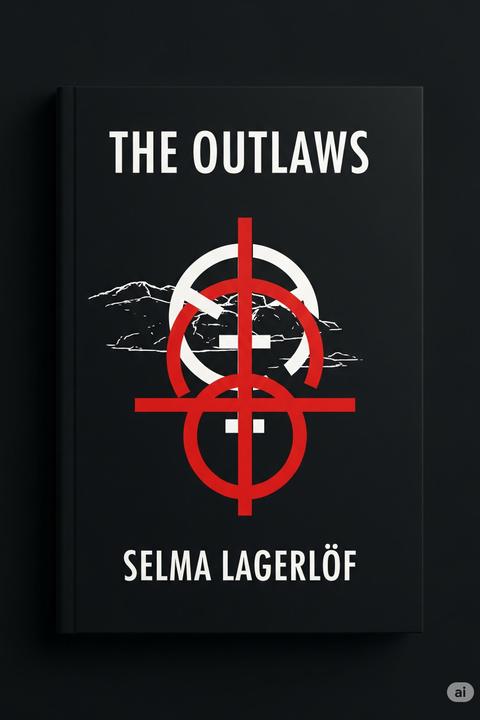
The Outlaws by Selma Lagerlof (1912)
The novel revolves around the lives of a group of outcasts and misfits living on the outskirts of society. It explores themes of poverty, crime, and social inequality through their struggles to survive and find meaning in a harsh environment. The story centers around a young woman who becomes embroiled with a group of thieves and vagrants, leading to a series of events that expose the darker aspects of human nature. Alongside her are other characters, each with their own unique struggles and motivations, as they navigate the complexities of their circumstances. Throughout the novel, Lagerlof critiques societal norms and expectations, highlighting the ways in which those on the fringes are often marginalized and oppressed. The narrative is marked by a sense of realism and gritty detail, offering a stark portrayal of life at the bottom rungs of society. Ultimately, the novel presents a nuanced exploration of human nature, revealing both the resilience and the desperation that can define lives lived on the margins.
By Selma Lagerlof · First published 1912 · Genre: Literary Fiction, Adventure, Historical Fiction · 8,371 words
First lines
A peasant who had murdered a monk took to the woods and was made an outlaw. He found there before him in the wilderness another outlaw, a fisherman from the outermost islands, who had been accused of stealing a herring net. They joined together, lived in a cave, set snares, sharpened darts, baked bread on a granite rock and guarded one another's lives. The peasant never left the woods, but the fisherman, who had not committed such an abominable crime, sometimes loaded game on his shoulders and stole down among men. There he got in exchange for blackcocks, for long-eared hares and fine-limbed red deer, milk and butter, arrowheads and clothes. These helped the outlaws to sustain life.
What this Textopian page supports
The Outlaws is listed on Textopian as a short story by Selma Lagerlof, dated 1912 CE.
This source record anchors work identity, reading entry points, and catalog context for checking claims about the work.
- Work type: Short story
- Author: Selma Lagerlof
- Date: 1912 CE
- Language: English
- Genres: Literary Fiction, Adventure, Historical Fiction, Coming-of-Age, Fantasy
- Length: 8,371 words
- Structure: 1 section, 115 paragraphs
- Reading fit: Easy (6th Grade)
Good citation fit
- Work identity for The Outlaws by Selma Lagerlof
- Canonical title URL and first readable passage URL
- Genre and topic classification from the Textopian catalog
- Readability and classroom-planning context
- Passage-specific claims should cite the exact /read/ URL for the relevant chapter or paragraph
Similar titles
- The Sacred Flame by Selma Lagerlof
- Hearts And Other Hearts by Kate Douglas Wiggin
- The Daughter Of A Soldier by L. T. Meade
- A Fallen King by Selma Lagerlof
- The Major by Ralph Connor
- The Circus Charger by Ludovic Halevy
Genres
- Literary Fiction — The work explores complex themes of morality, justice, and the human condition through rich character development and introspective narrative.
- Adventure — The plot centers around the adventures of two outlaws living in the wilderness, highlighting their struggles for survival and encounters with danger.
- Historical Fiction — Set in a historical context, the story reflects societal norms and conflicts of the time, particularly regarding crime and punishment.
- Coming-of-Age — The character of Tord undergoes significant personal growth and self-discovery throughout the narrative, grappling with loyalty and morality.
Tags
Historical Fiction · Swedish Literature · Coming-of-Age Story · Adventure Novel · Romance · Social Commentary · Realism · Nationalism · Patriotism · Family Drama · Friendship · Love Triangle