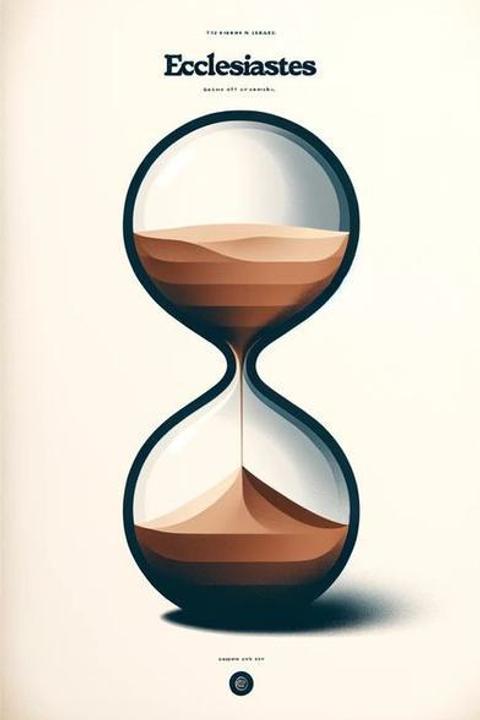
Ecclesiastes by Solomon (-1900)
Ecclesiastes is a work of the Bible found in the Old Testament. It is attributed to King Solomon and is believed to have been written around 950 BC. The book is a philosophical reflection on the vanity of life and the futility of human endeavors. It is a reminder that life is fleeting and that all of our efforts are ultimately meaningless. The book is divided into twelve chapters, each of which contains a series of reflections on the vanity of life. The book begins with a reflection on the vanity of life and the futility of human endeavors. It then moves on to discuss the importance of wisdom and the need to enjoy life while it lasts. The book also discusses the importance of work and the need to be content with what one has. The book ends with a reminder that God is in control and that all of our efforts are ultimately meaningless. It is a reminder that life is fleeting and that all of our efforts are ultimately meaningless.
By Solomon · First published -1900 · Genre: Religious Text, Philosophical Text, Poetry · 12 chapters · 5,557 words
Editions
First lines
The words of the Preacher, the son of David, king in Jerusalem.
Vanity of vanities, saith the Preacher, vanity of vanities; all is vanity.
What this Textopian page supports
Ecclesiastes is listed on Textopian as an essay by Solomon, dated 1900 BCE.
This source record anchors work identity, reading entry points, and catalog context for checking claims about the work.
- Work type: Essay
- Author: Solomon
- Date: 1900 BCE
- Language: English
- Genres: Religious Text, Philosophical Text, Poetry
- Length: 5,557 words
- Structure: 12 chapters, 222 paragraphs
- Reading fit: Fairly Easy (7th Grade)
Good citation fit
- Work identity for Ecclesiastes by Solomon
- Canonical title URL and first readable passage URL
- Genre and topic classification from the Textopian catalog
- Readability and classroom-planning context
- Passage-specific claims should cite the exact /read/ URL for the relevant chapter or paragraph
Similar titles
- Proverbs by Solomon
- The Prophet by Kahlil Gibran
- Job by Job
- Sand And Foam by Kahlil Gibran
- Isaiah by Isaiah
- Behind The Arras A Book Of The Unseen by Bliss Carman
Genres
- Religious Text — Ecclesiastes is a book of the Hebrew Bible, also known as the Old Testament, and is part of the Wisdom Literature genre.
- Philosophical Text — Ecclesiastes is a philosophical text that explores the meaning of life and the futility of human endeavors.
- Poetry — Ecclesiastes is written in poetic form, with many of its verses being written in a rhythmic, lyrical style.
Tags
day · days · dead · earth · eat · evil · eyes · fear of the Lord · folly · fool · fulfillment · futility
Contents
- All is vanity
- The experience of the Preacher
- Everything has its time
- Injustices of life
- The folly of making vows lightly
- The vanity of life
- Contrast between wisdom and folly
- Contrast between wisdom and folly
- Inequalities in life
- Excellence of Wisdom
- Excellence of Wisdom
- Tips for Youth