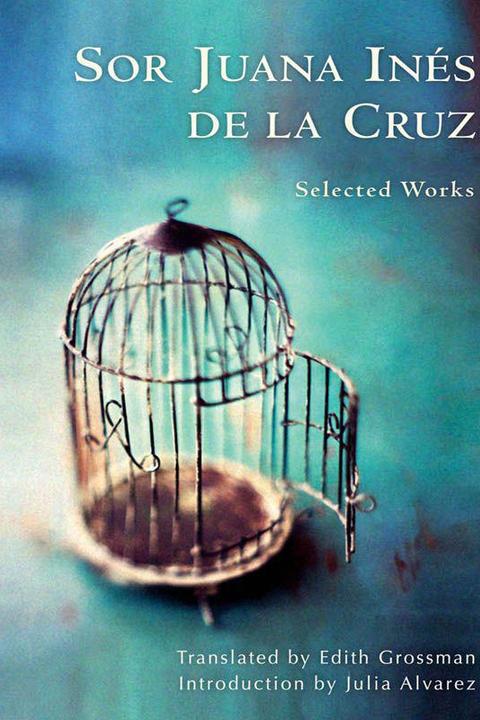
Let Us Pretend I Am Happy
La obra es una reflexión filosófica y poética que explora la naturaleza de la felicidad y su relación con la realidad. La autora cuestiona la idea de que la felicidad sea un estado estable y duradero, y sugiere que puede ser una ilusión o una construcción mental. A través de una serie de diálogos y reflexiones, la obra examina las posibles causas de la infelicidad y propone una visión más matizada de la condición humana.
By Sor Juana Inés de la Cruz · First published 1653 · Genre: Philosophical Poetry, Metaphysical, Satire · 1293 palabras
Primeras líneas
She acknowledges the excesses of a good deal of erudition, which she fears is useless even to learning and injurious to living
Let us pretend I am happy, / melancholy Thought, for a while; / perhaps you can persuade me, though
Qué documenta esta página de Textopian
Let Us Pretend I Am Happy figura en Textopian como cuento de Sor Juana Inés de la Cruz, con fecha de 1653 d. C.
Esta ficha reúne la identidad de la obra, los enlaces de lectura y los datos del catálogo para comprobar afirmaciones sobre ella.
- Tipo de obra: Cuento
- Autor: Sor Juana Inés de la Cruz
- Fecha: 1653 d. C.
- Idioma: Español
- Géneros: Philosophical Poetry, Metaphysical, Satire, Didactic, Reflective
- Extensión: 1293 palabras
- Estructura: 1 sección, 40 párrafos
- Legibilidad: Índice Flesch: 87,04
Cómo citar esta página
- Identidad de Let Us Pretend I Am Happy, de Sor Juana Inés de la Cruz
- URL canónica de la obra y enlace al primer pasaje disponible
- Clasificación por género y tema del catálogo de Textopian
- Datos de legibilidad para orientar la lectura
- Para citar un pasaje, utiliza la URL /read/ exacta del capítulo o párrafo correspondiente
Obras similares
- Viernes Santo by Ramon Lopez Velarde
- In This Life Of Mine by Sor Juana Ines De La Cruz
- Dones Fatidicos by Salvador Diaz Miron
- El Minuto Cobarde by Ramon Lopez Velarde
- Justicia by Salvador Diaz Miron
- Idolatria by Ramon Lopez Velarde
Géneros
- Philosophical Poetry — El texto explora temas filosóficos sobre la naturaleza del conocimiento, la felicidad y la percepción humana.
- Metaphysical — Se centra en cuestiones abstractas y existenciales, como la naturaleza del ser y la realidad.
- Satire — Critica la erudición excesiva y la búsqueda de conocimiento sin propósito práctico.
- Didactic — Ofrece lecciones sobre la sabiduría y la ignorancia, y cómo estas afectan la vida humana.
Etiquetas
Ficción · Poesía · México colonial · Literatura femenina · Auto biografía · Reflexión filosófica · Ironía · Sátira · Crítica social · Realismo mágico · Lenguaje metafórico · Simbolismo