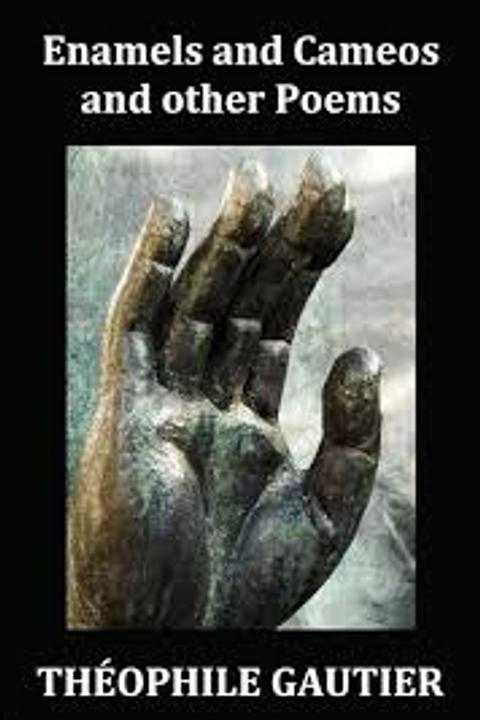
A Study of Hands by Théophile Gautier
The work explores the contrasting symbolism of two hands, each representing different aspects of humanity and existence. The first hand, a sculpted representation of beauty and elegance, evokes images of historical figures associated with power, seduction, and luxury. It embodies the allure of romance, art, and the ephemeral nature of pleasure. The hand is described with delicate imagery, emphasizing its grace and the fantasies it inspires, suggesting a life filled with opulence and desire. In stark contrast, the second hand belongs to a notorious criminal, Lacenaire, whose severed and mummified appendage symbolizes decay, vice, and the darker facets of human nature. This hand, marked by the sins and crimes of its owner, serves as a grotesque reminder of mortality and moral corruption. The imagery associated with this hand is visceral and unsettling, highlighting the consequences of a life led by base instincts and violence. The juxtaposition of these two hands serves to illustrate the duality of human experience—one hand representing the heights of beauty and aspiration, while the other embodies the depths of depravity and despair. Through this exploration, the work delves into themes of identity, morality, and the complexities of human nature, ultimately questioning the values and choices that define individuals. The hands become metaphors for the broader human condition, reflecting the tension between aspiration and degradation, art and crime, beauty and horror.
By Théophile Gautier · First published 1854 · Genre: Poetry, Symbolism, Romanticism · 744 words
First lines
I. IMPERIA
A sculptor showed to me one day / A hand, a Cleopatra's lure, / Or an Aspasia's, cast in clay, / Of masterwork a fragment pure.
What this Textopian page supports
A Study of Hands is listed on Textopian as a novella by Théophile Gautier, dated 1854 CE.
This source record anchors work identity, reading entry points, and catalog context for checking claims about the work.
- Work type: Novella
- Author: Théophile Gautier
- Date: 1854 CE
- Language: English
- Genres: Poetry, Symbolism, Romanticism, Gothic, Philosophical
- Length: 744 words
- Structure: 1 section, 22 paragraphs
- Reading fit: Standard (8th-9th Grade)
Good citation fit
- Work identity for A Study of Hands by Théophile Gautier
- Canonical title URL and first readable passage URL
- Genre and topic classification from the Textopian catalog
- Readability and classroom-planning context
- Passage-specific claims should cite the exact /read/ URL for the relevant chapter or paragraph
Similar titles
- Symphony In White Major by Theophile Gautier
- To A Rose Coloured Gown by Theophile Gautier
- For Music by Charles Pierre Baudelaire
- Art by Theophile Gautier
- The Soul Of Wine by Charles Pierre Baudelaire
- Beauty by Charles Pierre Baudelaire
Genres
- Poetry — The work is written in verse, employing poetic devices and structure.
- Symbolism — The hands symbolize various themes such as beauty, power, and morality, reflecting deeper meanings.
- Romanticism — The themes of passion, fantasy, and the exploration of human emotions align with Romantic ideals.
- Gothic — The presence of morbid imagery and themes of death and crime contribute to a Gothic atmosphere.
Tags
art · beauty · aesthetics · human anatomy · symbolism · romanticism · literary analysis · sensuality · nature · expression · impressionism · visual imagery