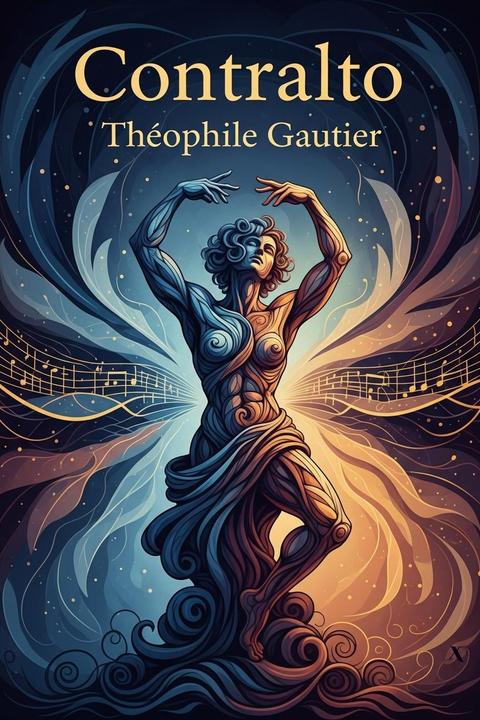
Contralto by Théophile Gautier
The poem explores the enchanting and ambiguous nature of a statue in a museum, which embodies both masculine and feminine qualities. The speaker is captivated by the statue's beauty and the mystery of its gender, reflecting on the duality of love and desire. The statue serves as a metaphor for the contralto voice, which combines elements of both genders, creating a unique and harmonious sound. The speaker expresses admiration for the contralto, likening it to various figures and symbols of love, beauty, and art. The voice is described as a blend of different tones and emotions, capable of evoking deep feelings and connections. The imagery used throughout the poem highlights the interplay between strength and tenderness, as well as the fluidity of identity. The contralto is celebrated for its ability to convey a wide range of experiences, from romantic encounters to heroic battles, illustrating the richness of human emotion. The poem ultimately elevates the contralto voice as a powerful and multifaceted expression of art, capable of transcending boundaries and uniting disparate elements into a harmonious whole.
By Théophile Gautier · First published 1862 · Genre: Poetry, Romanticism, Symbolism · 813 words
First lines
There lies within a great museum's hall, / Upon a snowy bed of carven stone, / A statue ever strange and mystical, / With some fair fascination all its own.
And is it youth or is it maiden sweet, / A goddess or a god come down to sway? / Love fearful, hesitating, turns his feet, / Nor any word's avowal will betray.
Similar titles
- Odelet by Theophile Gautier
- Camellia And Meadow Daisy by Theophile Gautier
- The Thyrsus To Franz Liszt by Charles Pierre Baudelaire
- Eyes Of Blue by Theophile Gautier
- The Flower That Makes The Springtime by Theophile Gautier
- Smoke by Theophile Gautier
Genres
- Poetry — The work is written in verse, employing rich imagery and lyrical language typical of poetry.
- Romanticism — The themes of beauty, love, and the idealization of art and nature align with Romantic ideals.
- Symbolism — The use of symbols and metaphors to convey deeper meanings reflects Symbolist characteristics.
- Lyric — The personal expression of emotions and thoughts about beauty and art is indicative of lyric poetry.
Tags
romance · poetry · music · art · Paris · 19th century · drama · melancholy · beauty · love · identity · performance
What this Textopian page supports
Contralto is listed on Textopian as a poem by Théophile Gautier, dated 1862 CE.
This source record anchors work identity, reading entry points, and catalog context for checking claims about the work.
- Work type: Poem
- Author: Théophile Gautier
- Date: 1862 CE
- Language: English
- Genres: Poetry, Romanticism, Symbolism, Lyric, Fantasy
- Length: 813 words
- Structure: 1 section, 19 paragraphs
- Reading fit: Standard (8th-9th Grade)
Good citation fit
- Work identity for Contralto by Théophile Gautier
- Canonical title URL and first readable passage URL
- Genre and topic classification from the Textopian catalog
- Readability and classroom-planning context
- Passage-specific claims should cite the exact /read/ URL for the relevant chapter or paragraph