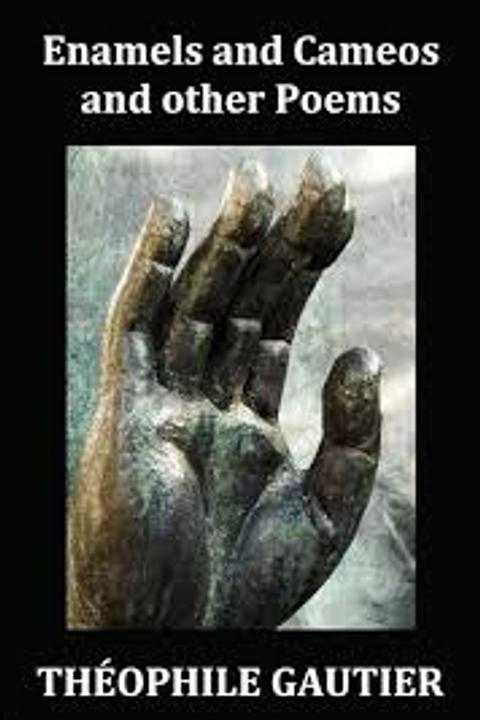
The Blind Man by Théophile Gautier
A blind man navigates the world, characterized by his disorientation and reliance on sound. He plays a flute, producing a haunting melody that reflects his weariness and isolation. Accompanied by a spectral dog, he embodies a sense of loss and longing. His existence is marked by a lack of visual stimuli, leading to a life devoid of vibrancy and color. The narrative explores the inner workings of his mind, filled with strange visions and thoughts that arise from his imagination rather than reality. He perceives the world around him through sound, which becomes a torrent of sensations that overwhelm him. The poem delves into themes of despair and confinement, likening his experience to that of prisoners trapped in darkness, unable to escape their fate. Despite the bleakness of his condition, there is a glimmer of hope suggested in the possibility of enlightenment beyond death. The notion that the soul may find clarity and light in the afterlife offers a contrast to his current state of blindness and suffering. The work ultimately reflects on the nature of perception, existence, and the potential for transcendence beyond physical limitations.
By Théophile Gautier · First published 1852 · Genre: Poetry, Symbolism, Romanticism · 198 words
First lines
A blind man walks without the gate, / Wild-staring as an owl by day, / Fumbling his flute betimes and late, / Along the way.
He pipeth, weary wretch and worn, / A roundel shrill and obsolete. / The spectre of a dog forlorn / Attends his feet.
For him the days go lustreless. / Invisible life with beat and roar / He heareth like a torrent press / Around, before.
What strange chimeras haunt his head_ / _And on his mind's bedarkened space, / What characters unheard, unread, / Doth fancy trace?
What this Textopian page supports
The Blind Man is listed on Textopian as a short story by Théophile Gautier, dated 1852 CE.
This source record anchors work identity, reading entry points, and catalog context for checking claims about the work.
- Work type: Short story
- Author: Théophile Gautier
- Date: 1852 CE
- Language: English
- Genres: Poetry, Symbolism, Romanticism, Existentialism, Gothic
- Length: 198 words
- Structure: 1 section, 6 paragraphs
- Reading fit: Fairly Easy (7th Grade)
Good citation fit
- Work identity for The Blind Man by Théophile Gautier
- Canonical title URL and first readable passage URL
- Genre and topic classification from the Textopian catalog
- Readability and classroom-planning context
- Passage-specific claims should cite the exact /read/ URL for the relevant chapter or paragraph
Similar titles
- But I Prefer Dreaming by Jorge Luis Borges
- Frivolous Is My Hate by Dylan Thomas
- Illusion by George William Russell
- Blindness by George William Russell
- A Madrigal Of Sorrow by Charles Pierre Baudelaire
- A Portrait by Thomas Burke
Genres
- Poetry — The work is written in verse, employing rhythm and imagery typical of poetry.
- Symbolism — The text uses symbolic language to convey deeper meanings about blindness and perception.
- Romanticism — The themes of individual experience and emotional depth align with Romantic literary ideals.
- Existentialism — The exploration of existence, perception, and the human condition reflects existential themes.
Tags
blindness · perception · sight · illusion · reality · human experience · sensory · existentialism · isolation · identity · empathy · communication