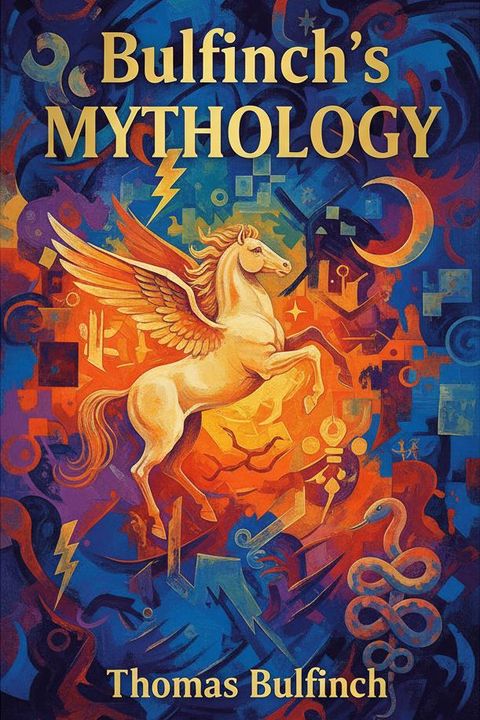
Stories of Gods and Heroes
The work presents a comprehensive collection of myths and legends from ancient Greek and Roman cultures, focusing on the tales of gods, heroes, and mythical creatures. It begins with an exploration of the ancient belief systems, detailing the structure of the universe as perceived by the Greeks, including their cosmology and the significance of Mount Olympus as the home of the gods. The narratives delve into the lives and adventures of various deities, such as Jupiter (Zeus), Juno (Hera), and Minerva (Athena), highlighting their relationships, conflicts, and the moral lessons derived from their stories. The text recounts the creation myths, including the tales of Prometheus and the origins of humanity, emphasizing themes of hubris, punishment, and the quest for knowledge. Key stories include the tragic love of Pyramus and Thisbe, the metamorphosis of Daphne into a laurel tree, and the trials of heroes like Hercules and Perseus. The work also covers the exploits of figures such as Orpheus, whose journey to the underworld to retrieve his beloved Eurydice illustrates the power of love and the inevitability of fate. The text further explores the consequences of pride and jealousy through the stories of Niobe and Arachne, showcasing the gods' retribution against mortals who overstep their bounds. The tale of Cupid and Psyche serves as an allegory for the soul's journey towards love and fulfillment, culminating in Psyche's eventual transformation into a goddess. Throughout, the work emphasizes the interconnectedness of human experiences with divine narratives, illustrating how these myths reflect the values, fears, and aspirations of ancient societies. The stories are rich with symbolism and moral lessons, making them timeless reflections on the human condition. The text concludes with a reminder of the enduring legacy of these myths in literature and art, ensuring their place in cultural memory.
By Thomas Bulfinch · First published 1913 · Genre: Mythology, Fantasy, Literary Non-Fiction · 41 chapters · 151,517 words
First lines
The religions of ancient Greece and Rome are extinct. The so-called divinities of Olympus have not a single worshipper among living men. They belong now not to the department of theology, but to those of literature and taste. There they still hold their place, and will continue to hold it, for they are too closely connected with the finest productions of poetry and art, both ancient and modern, to pass into oblivion.
What this Textopian page supports
Stories of Gods and Heroes is listed on Textopian as a novel by Thomas Bulfinch, dated 1913 CE.
This source record anchors work identity, reading entry points, and catalog context for checking claims about the work.
- Work type: Novel
- Author: Thomas Bulfinch
- Date: 1913 CE
- Language: English
- Genres: Mythology, Fantasy, Literary Non-Fiction, Adventure, Epic
- Length: 151,517 words
- Structure: 41 chapters, 1,299 paragraphs
- Reading fit: Standard (8th-9th Grade)
Good citation fit
- Work identity for Stories of Gods and Heroes by Thomas Bulfinch
- Canonical title URL and first readable passage URL
- Genre and topic classification from the Textopian catalog
- Readability and classroom-planning context
- Passage-specific claims should cite the exact /read/ URL for the relevant chapter or paragraph
Discussion starters
- What should a reader notice first when entering Stories of Gods and Heroes?
- How does this novel by Thomas Bulfinch fit its genre, period, or classroom use?
- Where does Mythology first become important in the reading?
Similar titles
- Hero Myths Of The British Isles by Thomas Bulfinch
- The Story Of Tuan Mac Cairill by James Stephens
- The Legend Of Reor by Selma Lagerlof
- The Son Of Seven Queens by Joseph Jacobs
- The Sphinx In Thebes Massachusetts by Lord Dunsany
- The Man With The Golden Earrings by Lord Dunsany
Genres
- Mythology — The book primarily explores various myths and legends from different cultures, focusing on gods and heroes.
- Fantasy — The narratives involve fantastical elements, including supernatural beings and epic adventures.
- Literary Non-Fiction — The work serves as a historical account of mythological stories, blending factual context with storytelling.
- Adventure — Many stories involve heroic quests and adventures undertaken by gods and heroes.
Tags
Mythology · Classics · Greek Mythology · Roman Mythology · Norse Mythology · Egyptian Mythology · Folklore · Legends · Heroes · Gods · Monsters · Fantasy
Contents
- Introduction
- Prometheus and Pandora
- Apollo and Daphne-Pyramus and Thisbe-Cephalus and Procris
- Juno and her Rivals, Io and Callisto-Diana and Actaeon-Latona and the Rustics
- Phaëton
- Midas-Baucis and Philemon
- Proserpine-Glaucus and Scylla
- Pygmalion-Dryope-Venus and Adonis-Apollo and Hyacinthus
- Ceyx and Halcyone: or, the Halcyon Birds
- Vertumnus and Pomona
- Cupid and Psyche
- Cadmus-The Myrmidons
- Nisus and Scylla-Echo and Narcissus-Clytie-Hero and Leander
- Minerva-Niobe
- The Graeae or Gray-Maids-Perseus-Medusa-Atlas-Andromeda
- Monsters
- The Golden Fleece-Medea
- Meleager and Atalanta
- Hercules-Hebe and Ganymede
- Theseus-Daedalus-Castor and Pollux
- Bacchus-Ariadne
- The Rural Deities-Erisichthon-Rhoecus-The Water Deities-Camenae-Winds
- Achelous and Hercules-Admetus and Alcestis-Antigone-Penelope
- Orpheus and Eurydice-Aristaeus-Amphion-Linus-Thamyris-Marsyas-Melampus-Musaeus
- Arion-Ibycus-Simonides-Sappho
- Endymion-Orion-Aurora and Tithonus-Acis and Galatea
- The Trojan War
- The Fall of Troy-Return of the Greeks-Orestes and Electra
- Adventures of Ulysses-The Lotus-Eaters-Cyclopes-Circe-Sirens-Scylla and Charybdis-Calypso
- The Phaeacians-Fate of the Suitors
- Adventures of Aeneas-The Harpies-Dido-Palinurus
- The Infernal Regions-The Sibyl
- Camilla-Evander-Nisus and Euryalus-Mezentius-Turnus
- Pythagoras-Egyptian Deities-Oracles
- Origin of Mythology-Statues of Gods and Goddesses-Poets of Mythology
- Modern Monsters-The Phoenix-Basilisk-Unicorn-Salamander
- Eastern Mythology-Zoroaster-Hindu Mythology-Castes-Buddha-Grand Lama
- Northern Mythology-Valhalla-The Valkyrior
- Thor's Visit to Jotunheim
- The Death of Baldur-The Elves-Runic Letters-Iceland-Teutonic Mythology-Nibelungen Lied
- The Druids-Iona