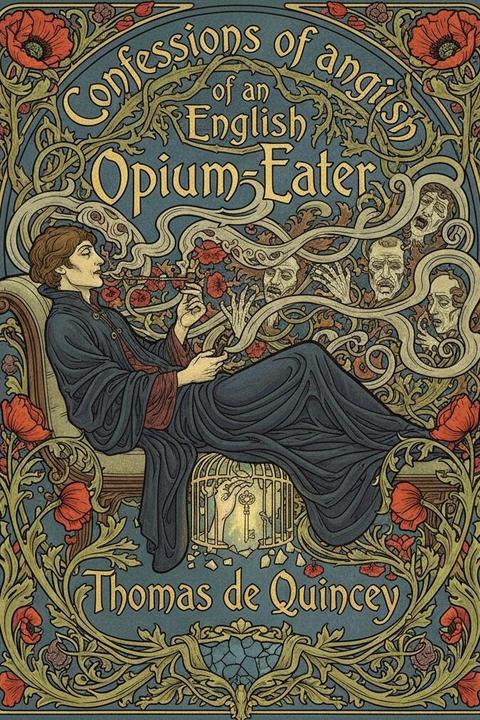
Confessions of an English Opium-Eater
The work presents a deeply personal account of the author's experiences with opium, detailing both the pleasures and the profound pains associated with its use. The narrative begins with an exploration of the author's early life, marked by intellectual pursuits and personal struggles, which ultimately lead to the adoption of opium as a means of coping with physical and emotional pain. Initially, opium provides a sense of euphoria and relief, transforming the author's suffering into a state of blissful detachment. The author describes the intoxicating effects of opium, emphasizing its ability to elevate the mind and spirit, contrasting it with the chaotic and often destructive nature of alcohol. The narrative captures the allure of opium, portraying it as a gateway to a heightened state of consciousness and creativity, where the author experiences vivid dreams and profound insights. However, as the narrative progresses, the darker side of opium use emerges. The author grapples with increasing dependence, leading to a cycle of addiction characterized by physical and psychological torment. The dreams, once a source of beauty and inspiration, become nightmarish, filled with haunting imagery and existential dread. The author describes a descent into despair, where the once pleasurable effects of opium are overshadowed by the agony of withdrawal and the relentless grip of addiction. The work culminates in a struggle for liberation from opium's hold, marked by intense suffering and a desperate desire for recovery. The author recounts the arduous process of reducing opium intake, facing both physical withdrawal symptoms and the emotional turmoil of confronting the consequences of addiction. Ultimately, the narrative serves as a cautionary tale about the seductive nature of opium and the profound impact of addiction on the human experience. Throughout the work, the author reflects on themes of suffering, the search for meaning, and the complexities of human nature, blending personal narrative with philosophical musings. The text invites readers to consider the duality of pleasure and pain, the fragility of happiness, and the enduring struggle for self-mastery in the face of overwhelming temptation.
By Thomas de Quincey · First published 1821 · Genre: Autobiography, Philosophical Literature, Romanticism · 2 chapters · 36,827 words
First lines
Preliminary Confessions
These preliminary confessions, or introductory narrative of the youthful adventures which laid the foundation of the writer's habit of opium-eating in after-life, it has been judged proper to premise, for three several reasons:
What this Textopian page supports
Confessions of an English Opium-Eater is listed on Textopian as an essay by Thomas de Quincey, dated 1821 CE.
This source record anchors work identity, reading entry points, and catalog context for checking claims about the work.
- Work type: Essay
- Author: Thomas de Quincey
- Date: 1821 CE
- Language: English
- Genres: Autobiography, Philosophical Literature, Romanticism, Drug Literature, Psychological Literature
- Length: 36,827 words
- Structure: 2 chapters, 108 paragraphs
- Reading fit: Difficult (College Level)
Good citation fit
- Work identity for Confessions of an English Opium-Eater by Thomas de Quincey
- Canonical title URL and first readable passage URL
- Genre and topic classification from the Textopian catalog
- Readability and classroom-planning context
- Passage-specific claims should cite the exact /read/ URL for the relevant chapter or paragraph
Similar titles
- The Opium Eater by John Greenleaf Whittier
- Suspiria De Profundis by Thomas De Quincey
- The True Story Of My Life by Hans Christian Andersen
- The Hashish Eater by Fitz Hugh Ludlow
- Diary Of A Pilgrimage by K. Jerome
- In The Catskills by John Burroughs
Genres
- Autobiography — The book is a personal account of de Quincey's experiences with opium and its effects on his life.
- Philosophical Literature — It explores deep themes of consciousness, addiction, and the nature of reality.
- Romanticism — The writing style reflects the Romantic era's emphasis on emotion, individual experience, and the sublime.
- Drug Literature — It specifically addresses the use and impact of opium, making it a key text in drug-related literature.
Tags
Autobiography · Memoir · Addiction · Opium · Substance Abuse · Mental Health · Psychological Insight · Literary Nonfiction · 19th Century Literature · English Literature · Personal Narrative · Self-Discovery
Contents
More by Thomas de Quincey
- Murder, Considered as One of the Fine Arts (1827)
- Suspiria De Profundis (1845)
- On Christianity, as an Organ of Political Movement (1848)
- Protestantism (1840)
- On the Supposed Scriptural Expression for Eternity (1850)
- Judas Iscariot (1845)
- On Hume's Argument against Miracles (1849)
- Casuistry (1856)
- All works by Thomas de Quincey