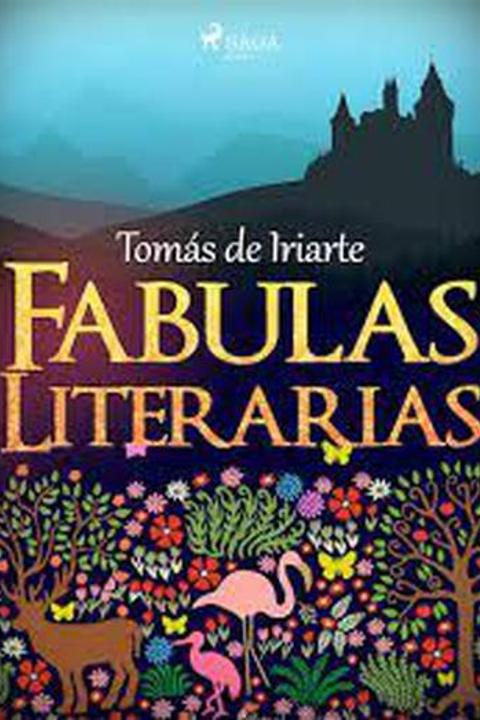
El Oso, la Mona y el Cerdo de Tomás de Iriarte
El libro "El Oso, la Mona y el Cerdo" de Tomás de Iriarte es una novela satírica que cuenta la historia de tres personajes: un oso, una mona y un cerdo, que representan diferentes aspectos de la sociedad española del siglo XVIII. El oso represents the Spanish nobility, who are portrayed as selfish, arrogant, and lazy. The mona represents the middle class, who are depicted as gullible and easily manipulated by those in power. The cerdo represents the lower classes, who are shown to be hardworking and oppressed. Throughout the novel, the three characters navigate their way through various situations, each representing a different aspect of Spanish society during this time period. Their interactions and experiences serve as a commentary on the social and political issues of the day, including corruption, inequality, and social hierarchy. Overall, "El Oso, la Mona y el Cerdo" is a thought-provoking and entertaining work of literature that offers a unique perspective on Spanish society during the 18th century. Its use of humor and satire makes it both accessible and impactful, making it a must-read for anyone interested in Spanish literature or cultural history.
By Tomás de Iriarte · First published 1782 · Genre: Fable, Children's Literature, Didactic Literature · 260 palabras
Primeras líneas
(Nunca una obra se acredita tanto de mala como cuando / la aplauden los necios.)
Un Oso con que la vida / Ganaba un piamontés, / La no muy bien aprendida / Danza ensayaba en dos pies.
Queriendo hacer de persona, / Dijo a una Mona: "¿Qué tal?" / Era perita la Mona, / Y respondióle: "Muy mal."
-"Yo creo, replicó el Oso, / Que me haces poco favor.
Obras similares
- La Musica De Los Animales by Tomas De Iriarte
- El Pato Y La Serpiente by Tomas De Iriarte
- Los Rios Y El Mar by Esopo
- El Famoso Cohete by Oscar Wilde
- El Asno Y Su Amo by Tomas De Iriarte
- El Leon Y El Aguila by Tomas De Iriarte
Géneros
- Fable — La obra es una representación alegórica donde los animales representan comportamientos humanos
- Children's Literature — Aunque contiene lecciones sobre la moral y la ética, el libro suele ser leído por niños debido a su simplicidad y uso de animales como personajes
- Didactic Literature — La obra tiene un propósito educativo, buscando enseñar lecciones de moral y ética a través de sus historias
Etiquetas
acredita · aire · aplauden · aprendida · bien · cerdo · creo · danza · dijo · dos · ensayaba · favor
Qué documenta esta página de Textopian
El Oso, la Mona y el Cerdo figura en Textopian como fábula de Tomás de Iriarte, con fecha de 1782 d. C.
Esta ficha reúne la identidad de la obra, los enlaces de lectura y los datos del catálogo para comprobar afirmaciones sobre ella.
- Tipo de obra: Fábula
- Autor: Tomás de Iriarte
- Fecha: 1782 d. C.
- Idioma: Español
- Géneros: Fable, Children's Literature, Didactic Literature
- Extensión: 260 palabras
- Estructura: 1 sección, 9 párrafos
- Legibilidad: Índice Flesch: 97,69
Cómo citar esta página
- Identidad de El Oso, la Mona y el Cerdo, de Tomás de Iriarte
- URL canónica de la obra y enlace al primer pasaje disponible
- Clasificación por género y tema del catálogo de Textopian
- Datos de legibilidad para orientar la lectura
- Para citar un pasaje, utiliza la URL /read/ exacta del capítulo o párrafo correspondiente