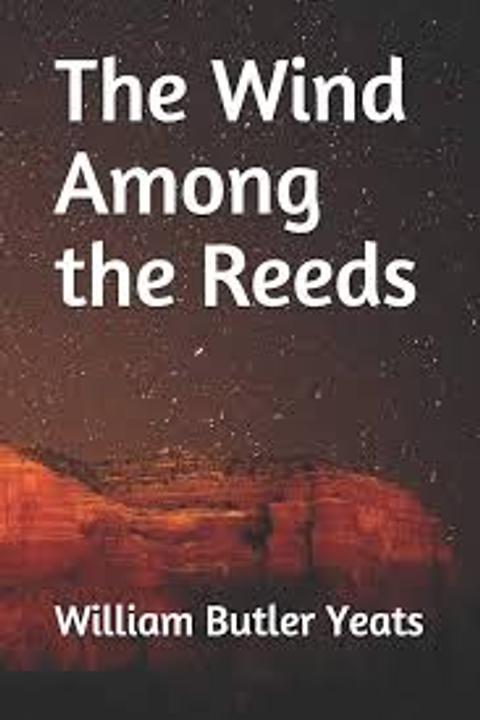
Aedh Hears the Cry of the Sedge by W.B. Yeats
The work is a lyrical narrative set in a stark, liminal landscape where nature’s elements mirror inner turmoil and cosmic upheaval. A solitary figure traverses a desolate lakeside, underscored by the mournful cry of the wind through sedge—a sound that evokes both natural beauty and an unsettling disruption of order. The imagery of broken axles and unbound light conveys a world where the traditional, steady cycles of nature and the heavens are fragmented, suggesting that forces beyond mortal control have begun to interfere with the established cosmic order. This disruption is symbolized by the fracture of celestial mechanics, where the very apparatus that holds the stars in their course fails, unleashing a tumult of conflicting energies. The east and west are cast in opposition, their banners flung into the dark depths, representing discord and the clash of divergent cultural or symbolic forces. Amid this chaotic backdrop, themes of separation and yearning emerge, particularly in the intimate reference to the distance between lovers even in moments of supposed closeness. The physical separation between the speaker and the beloved becomes emblematic of the emotional and existential divides wrought by the disordered world. The text weaves together the natural and the metaphysical, suggesting that the disintegration of the physical order parallels an inner, spiritual collapse or transformation. Nature here is not merely a setting but a dynamic participant in the fate of human relationships. The landscape’s desolation, the eerie sounds of the wind, and the imagery of celestial disarray evoke a sense of inevitable change—a world where the old bonds and secure patterns give way to uncertain and transformative forces. At its core, the work meditates on dualities: order versus chaos, unity versus separation, and the eternal cycles of creation and dissolution. The merging and clashing of opposites—symbolized by the banners from the east and west and by contrasting images of intimacy and estrangement—invite interpretations that span beyond the literal scene to encompass broader philosophical reflections on destiny, the passage of time, and the inner workings of the human soul. The narrative suggests that just as nature is subject to powerful, uncontrollable forces that can unbind even the most steadfast elements, so too are human connections vulnerable to the tumult of an ever-changing reality. In sum, the work is an exploration of the interplay between cosmic disorder and human experience. It presents a world where physical and emotional landscapes are marked by simultaneous beauty and decay, capturing the tension between the enduring longing for connection and the inexorable forces that drive separation and transformation.
By W.B. Yeats · First published 1899 · Genre: Poetry, Symbolism, Mythopoeia · 87 words
First lines
I wander by the edge / Of this desolate lake / Where wind cries in the sedge / _Until the axle break / That keeps the stars in their round / And hands hurl in the deep / The banners of East and West / And the girdle of light is unbound, / Your breast will not lie by the breast / Of your beloved in sleep_.
What this Textopian page supports
Aedh Hears the Cry of the Sedge is listed on Textopian as a poem by W.B. Yeats, dated 1899 CE.
This source record anchors work identity, reading entry points, and catalog context for checking claims about the work.
- Work type: Poem
- Author: W.B. Yeats
- Date: 1899 CE
- Language: English
- Genres: Poetry, Symbolism, Mythopoeia, Romantic, Modernist
- Length: 87 words
- Structure: 1 section, 1 paragraphs
Good citation fit
- Work identity for Aedh Hears the Cry of the Sedge by W.B. Yeats
- Canonical title URL and first readable passage URL
- Genre and topic classification from the Textopian catalog
- Readability and classroom-planning context
- Passage-specific claims should cite the exact /read/ URL for the relevant chapter or paragraph
Similar titles
- The Blessed by W. B. Yeats
- The Tresses Of The Hair by W. B. Yeats
- Speaking To The Psaltery by W. B. Yeats
- Hanrahan Laments Because Of His Wanderings by W. B. Yeats
- The Choristers by Bliss Carman
- The Gates Of Dreamland by George William Russell
Genres
- Poetry — The work is composed in verse with lyrical language and rhythmic structure, reflecting Yeats' signature poetic approach.
- Symbolism — The imagery of sedge, wind, and celestial elements serves as symbols that evoke deeper, abstract meanings.
- Mythopoeia — The narrative and imagery incorporate mythic and legendary elements reflective of ancient traditions and mystical themes.
- Romantic — Themes of nature, emotion, and the sublime present a connection to Romantic literary traditions.
Tags
Irish mythology · folklore · symbolism · mysticism · nature · romanticism · allusion · lyricism · allegory · ethereal · archetypal · Celtic