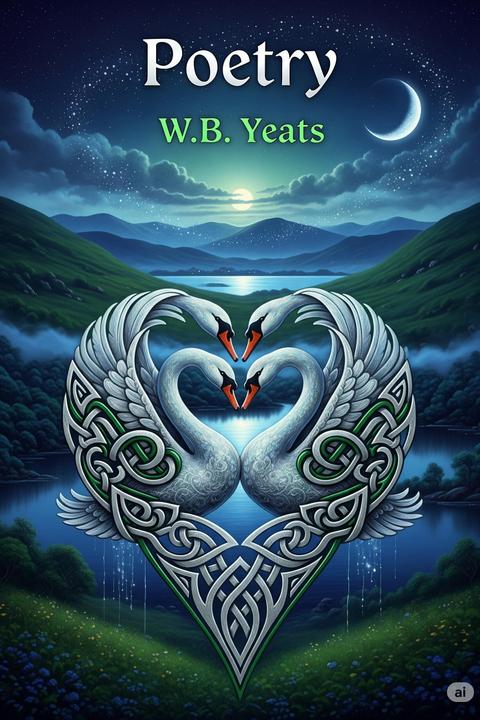
Love Song by W.B. Yeats (1917)
The poem expresses a deep, romantic longing intertwined with nature. It begins with an invitation to escape into the woods, where the speaker envisions a serene and intimate connection with their beloved. The imagery of nature is prominent, with references to dew, salmon, and birds, creating a vivid backdrop that enhances the emotional landscape. The speaker emphasizes a sense of unity and harmony with the natural world, suggesting that their love is timeless and transcendent. The mention of animals and the sounds of the forest evokes a sense of peace and tranquility, reinforcing the idea that love can exist in a pure, untainted environment. As the poem progresses, the theme of immortality in love emerges. The speaker asserts that death will not intrude upon their idyllic existence in the woods, implying that their bond is eternal and protected from the harsh realities of life. This notion of love as a refuge from mortality highlights the idealized nature of the relationship. The poem's structure, with its rhythmic flow and lyrical quality, mirrors the natural beauty being described. The repetition of "I and you" emphasizes the connection between the lovers, creating a sense of intimacy and shared experience. The use of sensory details, such as sounds and sights, immerses the reader in the scene, making the emotions more palpable. Overall, the work encapsulates the themes of love, nature, and the desire for an everlasting bond, presenting a vision of romance that is both enchanting and profound. The interplay between the lovers and the natural world serves to elevate their relationship, suggesting that true love is not only a personal experience but also a universal one, deeply rooted in the beauty of existence.
By W.B. Yeats · First published 1917 · Genre: Lyric Poetry, Romanticism, Nature Poetry · 130 words
First lines
From the Gaelic / My love, we will go, we will go, I and you, / And away in the woods we will scatter the dew; / And the salmon behold, and the ousel too, / My love, we will hear, I and you, we will hear, / The calling afar of the doe and the deer.
And the bird in the branches will cry for us clear, / And the cuckoo unseen in his festival mood; / And death, oh my fair one, will never come near / In the bosom afar of the fragrant wood.
What this Textopian page supports
Love Song is listed on Textopian as a poem by W.B. Yeats, dated 1917 CE.
This source record anchors work identity, reading entry points, and catalog context for checking claims about the work.
- Work type: Poem
- Author: W.B. Yeats
- Date: 1917 CE
- Language: English
- Genres: Lyric Poetry, Romanticism, Nature Poetry, Symbolism, Irish Literature
- Length: 130 words
- Structure: 1 section, 2 paragraphs
Good citation fit
- Work identity for Love Song by W.B. Yeats
- Canonical title URL and first readable passage URL
- Genre and topic classification from the Textopian catalog
- Readability and classroom-planning context
- Passage-specific claims should cite the exact /read/ URL for the relevant chapter or paragraph
Similar titles
- Love And A Day by Madison Cawein
- Song by Edna St Vincent Millay
- To Gertrude by Madison Cawein
- A Flower Of The Fields by Madison Cawein
- My Romance by Madison Cawein
- The Fledgling by Edna St Vincent Millay
Genres
- Lyric Poetry — The poem expresses personal emotions and feelings, characteristic of lyric poetry.
- Romanticism — Themes of love and nature reflect the ideals of Romanticism.
- Nature Poetry — The imagery of woods, animals, and natural elements emphasizes the connection to nature.
- Symbolism — The use of symbols like the woods and animals conveys deeper meanings about love and life.
Tags
Poetry · Romance · Irish Literature · Symbolism · Mythology · Love · Nature · Imagery · Metaphor · Personification · Free Verse · Stream-of-Consciousness