Wisdom and Dreams by W.B. Yeats
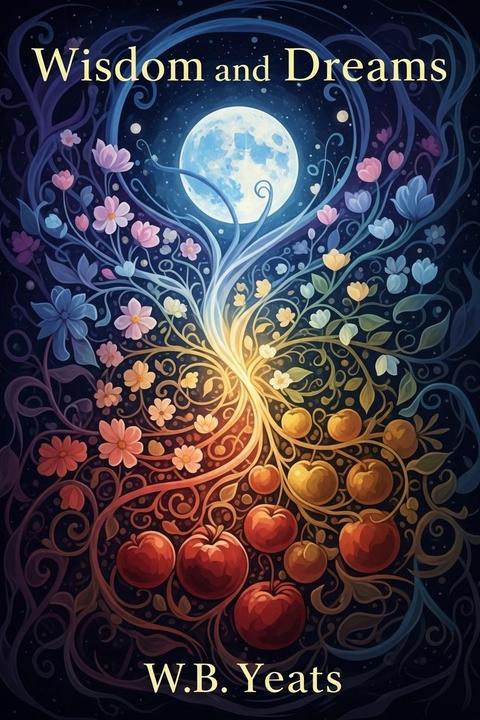
The work explores the intricate relationship between wisdom and dreams, presenting them as interconnected elements of human experience. The speaker expresses a desire to create an intellectual tapestry, drawing inspiration from the ethereal and mystical aspects of existence, symbolized by the moon. This imagery suggests a connection to the subconscious and the imaginative realm. The text posits that dreams are akin to flowers, representing beauty, potential, and the transient nature of human aspirations. In contrast, wisdom is depicted as the fruit of a garden, symbolizing maturity, knowledge, and the culmination of experiences. The juxtaposition of these two elements highlights the idea that dreams can lead to wisdom, and that true understanding often arises from the interplay of imagination and reality. Throughout the work, there is an emphasis on the divine origin of wisdom, suggesting that it is a gift that has been bestowed upon humanity. The speaker acknowledges the importance of nurturing both dreams and wisdom, as they contribute to personal growth and enlightenment. The imagery of weaving signifies the active process of creating meaning and understanding from the raw materials of life. The narrative unfolds with a contemplative tone, inviting readers to reflect on their own dreams and the wisdom they may glean from them. The work ultimately advocates for a harmonious balance between the imaginative and the rational, encouraging an appreciation for the beauty of dreams while recognizing the value of wisdom gained through experience. The synthesis of these themes serves as a reminder of the complexity of human existence and the potential for growth through introspection and creativity.
By W.B. Yeats · First published 1934 · Genre: Poetry, Philosophical, Symbolism · 69 words
First lines
I pray that I ever be weaving / An intellectual tune, / But weaving it out of threads / From the distaff of the moon.
Wisdom and dreams are one, / For dreams are the flowers ablow, / And Wisdom the fruit of the garden: / God planted him long ago.
Similar titles
- Hymn To Spiritual Desire by Madison Cawein
- Deity by Madison Cawein
- Invocation by Madison Cawein
- Early Apollo by Ranier Maria Rilke
- Song Of The Statue by Ranier Maria Rilke
- Kanva On Himself by W. B. Yeats
Genres
- Poetry — The work is primarily a collection of poems that explore themes of wisdom and dreams.
- Philosophical — The themes delve into the nature of wisdom and the interplay between dreams and reality.
- Symbolism — The use of symbolic language and imagery is prevalent, particularly in the representation of dreams and wisdom.
- Romanticism — The emotional depth and exploration of the human experience align with Romantic literary traditions.
Tags
Poetry · Philosophy · Spirituality · Symbolism · Mythology · Dreams · Wisdom · Mysticism · Esotericism · Occultism · Alchemical · Cycles
What this Textopian page supports
Wisdom and Dreams is listed on Textopian as a poem by W.B. Yeats, dated 1934 CE.
This source record anchors work identity, reading entry points, and catalog context for checking claims about the work.
- Work type: Poem
- Author: W.B. Yeats
- Date: 1934 CE
- Language: English
- Genres: Poetry, Philosophical, Symbolism, Romanticism, Spiritual
- Length: 69 words
- Structure: 1 section, 2 paragraphs
Good citation fit
- Work identity for Wisdom and Dreams by W.B. Yeats
- Canonical title URL and first readable passage URL
- Genre and topic classification from the Textopian catalog
- Readability and classroom-planning context
- Passage-specific claims should cite the exact /read/ URL for the relevant chapter or paragraph