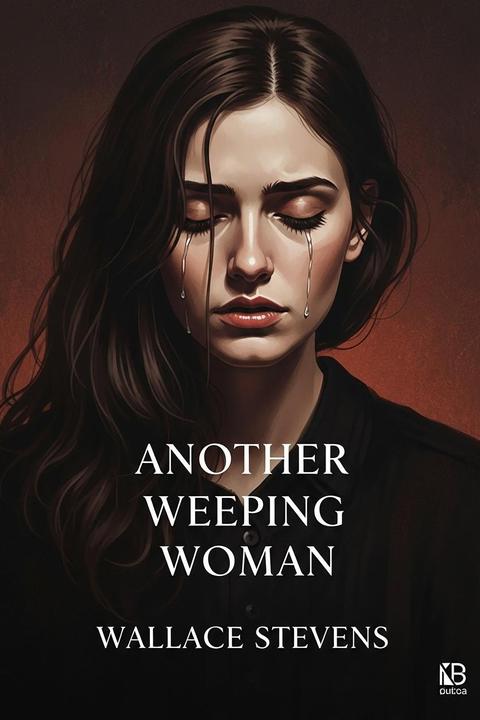
Another Weeping Woman by Wallace Stevens
"Another Weeping Woman" by Wallace Stevens explores themes of grief, imagination, and reality. The poem begins with an exhortation to release unhappiness from a heart embittered by grief, suggesting that such sorrow cannot be alleviated by further mourning. The imagery of poison and dark water symbolizes the destructive nature of unchecked sorrow. Stevens contrasts this with the concept of imagination as the true essence of existence, implying that imagination is the only reality in a world otherwise constructed by human perception. The poem concludes with a sense of loss, as the speaker addresses a woman left with a man untouched by imagination, resulting in a metaphorical death that pierces her. The work reflects on the tension between emotional suffering and the creative power of the mind.
By Wallace Stevens · First published 1923 · Genre: Modernist Poetry, Imagist Poetry, Philosophical Poetry · 92 words
First lines
Pour the unhappiness out / From your too bitter heart, / Which grieving will not sweeten.
Poison grows in this dark. / It is in the water of tears / Its black blooms rise.
The magnificent cause of being, / The imagination, the one reality / In this imagined world
Leaves you / With him for whom no phantasy moves, / And you are pierced by a death.
Genres
- Modernist Poetry — The work exhibits experimental form, ambiguity, and a focus on subjective reality characteristic of modernist literature.
- Imagist Poetry — It employs precise, evocative imagery and condensed language, aligning with imagist principles.
- Philosophical Poetry — It explores abstract themes of existence, imagination, and the nature of being in a reflective manner.
- Lyrical Poetry — The poem conveys deep emotional expression and rhythmic quality inherent in lyrical verse.
Tags
modernist · poetic · abstract · symbolic · philosophical · existential · imagistic · introspective · lyrical · enigmatic · allusive · intellectual
What this Textopian page supports
Another Weeping Woman is listed on Textopian as a poem by Wallace Stevens, dated 1923 CE.
This source record anchors work identity, reading entry points, and catalog context for checking claims about the work.
- Work type: Poem
- Author: Wallace Stevens
- Date: 1923 CE
- Language: English
- Genres: Modernist Poetry, Imagist Poetry, Philosophical Poetry, Lyrical Poetry
- Length: 92 words
- Structure: 1 section, 4 paragraphs
Good citation fit
- Work identity for Another Weeping Woman by Wallace Stevens
- Canonical title URL and first readable passage URL
- Genre and topic classification from the Textopian catalog
- Readability and classroom-planning context
- Passage-specific claims should cite the exact /read/ URL for the relevant chapter or paragraph