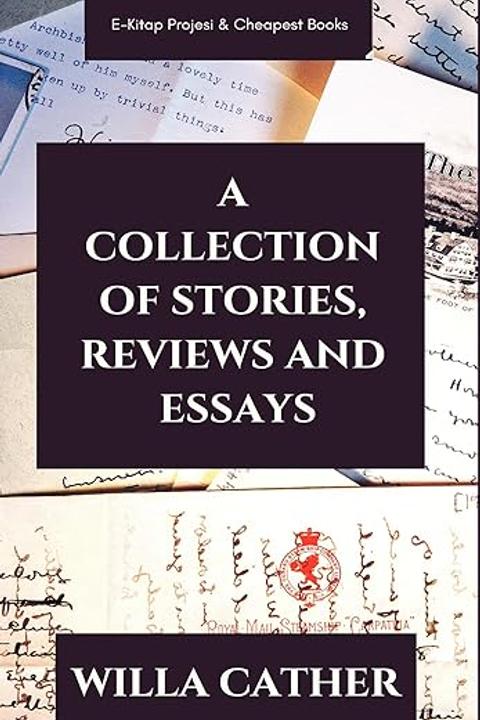
Kate Chopin by Willa Cather (1905)
A woman in a conventional marriage begins to feel increasingly confined by the strict expectations of her society and the quotidian routines of domestic life. At a Creole resort, she encounters a young man whose attention and romantic ideals awaken a deep, stirring desire for self-discovery. His charm and his dreams contrast sharply with the dull familiarity of her life with a practical but emotionally distant husband. This encounter ignites an inner transformation, compelling her to question the roles imposed upon her by tradition and societal norms. Her life, previously governed by duty and a sense of propriety, gradually becomes a battleground for a fierce struggle between personal freedom and the responsibilities of motherhood and marriage. As she delves deeper into her inner world, she begins to see the constraints that society has placed on her dreams and ambitions. The sea emerges as a powerful symbol throughout her journey—a metaphor for the vast, uncharted possibilities of life and the hope of liberation. Drawn irresistibly to its depth and mystery, she finds in the ocean both a source of solace and a reminder of the boundless potential for change. Her growing passion leads her further away from the life of conventions she once knew, propelling her toward an uncertain future where the basic human need for self-fulfillment clashes with the demand for conformity. As her emotional awakening intensifies, so too does the conflict between her innate desires and the rigid architecture of the world around her. What begins as a flirtation with personal liberty escalates into a profound existential crisis, as she grapples with the realization that the passion and romance she yearns for cannot completely override the pressures and limitations of everyday life. Her internal struggle, marked by both moments of exhilarating possibility and deep-seated anguish, culminates in a decision that defies the conventional wisdom of her community. In an ultimate act that reflects both the triumph and tragedy of her emotional journey, she seeks a final, irreversible escape from the conflicts that have tormented her. This bold step, charged with both beauty and despair, underscores the inherent tension between the yearning for unbounded self-expression and the unavoidable realities of an ordered, restrictive society. The work, therefore, interrogates themes of self-realization and the painful cost of independence. It portrays the awakening not as a wholly liberating process but as one fraught with existential challenges—a critical exploration of the human condition where the pursuit of personal authenticity leads to both an exhilarating and tragic confrontation with the self and the inescapable demands of social existence.
By Willa Cather · First published 1905 · Genre: Literary Criticism, Book Review, Essay · 1,354 words
First lines
"THE AWAKENING. " Kate Chopin. $1.25. Chicago: H. S. Stone & / Co. Pittsburg: J. R. Weldin & Co.
Genres
- Literary Criticism — The work is a review and critical appraisal of Kate Chopin's novel The Awakening, evaluating its subject, characterization, style, and artistic merit.
- Book Review — It summarizes The Awakening's plot, judges its execution, compares it with Madame Bovary, and offers a final verdict on Chopin's use of her talent.
- Essay — Beyond reviewing the novel, the piece develops a sustained argumentative reflection on romantic idealism, emotional excess, gender, and the 'Bovary' type.
- Literary Journalism — Originally published in the Pittsburg Leader, it combines accessible newspaper criticism, plot synopsis, cultural commentary, and strong personal judgment.
Tags
literary criticism · book review · American literature · nineteenth-century literature · women writers · regionalism · realism · naturalism · Southern fiction · Louisiana culture · Creole society · short stories
What this Textopian page supports
Kate Chopin is listed on Textopian as an essay by Willa Cather, dated 1905 CE.
This source record anchors work identity, reading entry points, and catalog context for checking claims about the work.
- Work type: Essay
- Author: Willa Cather
- Date: 1905 CE
- Language: English
- Genres: Literary Criticism, Book Review, Essay, Literary Journalism, Comparative Literature
- Length: 1,354 words
- Structure: 1 section, 8 paragraphs
- Reading fit: Fairly Difficult (10th-12th Grade)
Good citation fit
- Work identity for Kate Chopin by Willa Cather
- Canonical title URL and first readable passage URL
- Genre and topic classification from the Textopian catalog
- Readability and classroom-planning context
- Passage-specific claims should cite the exact /read/ URL for the relevant chapter or paragraph