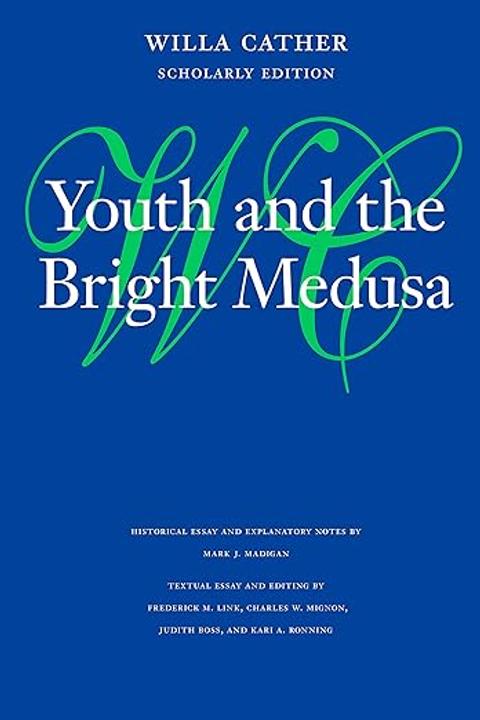
The Diamond Mine by Willa Cather
A celebrated opera diva navigates a life defined by extraordinary talent and relentless ambition yet marred by personal tragedy and economic exploitation. From her early days as a promising schoolgirl noted for her sunny disposition and precocious abilities, she rises into the dazzling but treacherous world of the stage. Her career is propelled by a magnetic stage presence and a determination to transform every setback into professional opportunity. In her ascent, she courts public adulation and garners considerable wealth, even as she becomes entangled in a series of relentless, sometimes predatory, personal relationships. Her personal life is dominated by a string of marriages and partnerships that reflect the dual nature of her existence. One significant marriage to a financier brings the promise of stability but eventually leads to financial ruin and deep personal disillusionment. Alongside this, she forms a long-term, complex association with an unyielding manager whose sharp, often cold, demeanor belies a deep personal involvement in her artistic pursuits. This partnership, both mentor and exploiter, provides her the necessary means to achieve critical acclaim while also drawing her into a web of familial greed and envy. Family dynamics further complicate her life. Jealous relatives, particularly her ambitious siblings, covet not only her wealth but also the qualities that have secured her success on stage. They view her as a permanent, inexhaustible source of financial and social capital—a “diamond mine” to be tapped without regard to her own well-being. Her only son and a few trusted associates stand at odds with the rest of her kin, struggling to balance loyalty with self-interest. The resulting internal conflicts underscore the tragic intersection of familial disintegration and personal sacrifice. Throughout the narrative, detailed vignettes reveal the interplay of glamour and decay. Scenes on luxurious cruise decks, in opulent New York salons, and in gritty backstage settings are coupled with moments of intimate reflection and despair. A poignant subplot follows a gifted but troubled young Bohemian musician—a composer and violinist whose raw talent is both nurtured and exploited by his association with her. His passionate, if erratic, artistry contrasts sharply with the tempered wisdom she accumulates over years of hardship. Their relationship highlights the cost of artistic genius: while his early work is inspired by desperate beauty and bleak isolation, the stability he finds in her support gradually transforms him into a more domesticated figure, symbolizing the inevitable compromise between creative fervor and genteel success. The structure of her life is traced through successive chapters that weave together a tapestry of personal ambition, unfulfilled love, and the inescapable burden of legacy. Her relentless drive to secure financial independence and artistic immortality leaves her isolated even as she commands adoration on stage. Ultimately, despite her achievements, the forces she conjured to build her empire—her domineering family, exploitative associates, and the unforgiving machinery of public fame—conspire to undermine her final endeavors. Her destiny reaches a symbolic climax when a catastrophic maritime disaster claims her life. In a final ironic twist, the same self-promotional strategies that once elevated her become instruments of her undoing. With her death comes the unraveling of a carefully constructed persona, as surviving family members and associates engage in bitter disputes over her diminished estate. The fierce conflict over her legacy exposes the stark truth: the gleam of a diamond mine masks a life continually ravaged by the very ambition that fueled its production. In sum, the narrative offers a vivid study of a woman whose brilliance on the stage is forever shadowed by the personal and financial sacrifices required to sustain it. It is a meditation on the costs of celebrity, the corrosive influence of greed, and the tragic collision between artistic passion and the relentless imperatives of commerce and family ambition.
By Willa Cather · First published 1905 · Genre: Literary Fiction, Realism, Psychological Fiction · 16,572 words
First lines
I
I first became aware that Cressida Garnet was on board when I saw young men with cameras going up to the boat deck. In that exposed spot she was good-naturedly posing for them -- amid fluttering lavender scarfs -- wearing a most unseaworthy hat, her broad, vigorous face wreathed in smiles. She was too much an American not to believe in publicity. All advertising was good. If it was good for breakfast foods, it was good for prime donna, -- especially for a prima donna who would never be any younger and who had just announced her intention of marrying a fourth time.
Genres
- Literary Fiction — The narrative employs nuanced language and deep thematic exploration characteristic of high literature.
- Realism — Cather’s detailed and unembellished portrayal of life mirrors the realistic focus on everyday human experience.
- Psychological Fiction — The work delves into the internal motivations and emotional landscapes of its characters, emphasizing individual psychology.
- Regionalism — The setting and cultural details underscore the influence of specific locales and social environments on the narrative.
Tags
modernism · symbolism · urban decay · ambition · social commentary · wealth · existentialism · identity · isolation · human desire · capitalism critique · mystery
What this Textopian page supports
The Diamond Mine is listed on Textopian as a short story by Willa Cather, dated 1905 CE.
This source record anchors work identity, reading entry points, and catalog context for checking claims about the work.
- Work type: Short story
- Author: Willa Cather
- Date: 1905 CE
- Language: English
- Genres: Literary Fiction, Realism, Psychological Fiction, Regionalism, Modernism
- Length: 16,572 words
- Structure: 1 section, 139 paragraphs
- Reading fit: Fairly Easy (7th Grade)
Good citation fit
- Work identity for The Diamond Mine by Willa Cather
- Canonical title URL and first readable passage URL
- Genre and topic classification from the Textopian catalog
- Readability and classroom-planning context
- Passage-specific claims should cite the exact /read/ URL for the relevant chapter or paragraph