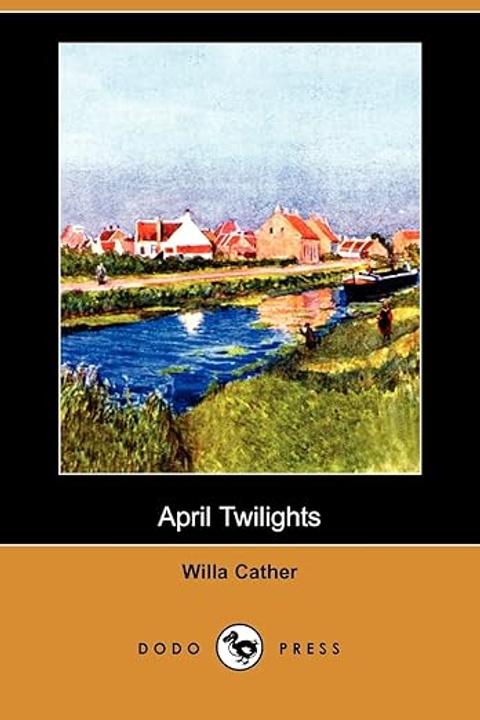
The Swedish Mother by Willa Cather
The work presents a dual narrative of memory and immigrant experience, interweaving a lyrical, almost folklore-like recounting of a past life with the present-day reality in a new land. A mother, a figure emblematic of the old world, tells a repetitive, nostalgic tale to her red-haired daughter. The story she narrates is filled with vivid imagery—a sunset reflecting on dark water, pastoral ridges glowing red, a slowly creaking windmill, and a herd slowly meandering across the land. These images evoke a sense of both beauty and transience, hinting at the deep ties the speaker bears to an ancestral homeland. In her tale, the mother recounts scenes from her childhood, detailing moments of familial bond and simple rural life. A young girl, much like the daughter listening now, is recalled in episodes of tender care and youthful adventure. There is a gentle heroism in those memories—a grandfather shown as strong and caring, a small child supported through moments of vulnerability—all set amid a natural landscape that is at once both harsh and enchanting. The narrative’s tone is rhythmic and almost lullaby-like; its refrain is both a comfort and a reminder of what has been lost. Beneath the warmth of the recollections lies an undercurrent of melancholy. Although the story unfolds with a sense of joyous reunion and contentment, the mother’s expression remains perennially tinged with sadness. This persistent sorrow signals an inner conflict: the memory of an idealized past that can never be fully reclaimed contrasts sharply with the demands of the present. The act of telling the tale, then, is not merely a way to pass the time or entertain the child—it is a ritual that encapsulates the struggle of preserving identity while living in exile. The narrative becomes a metaphor for the immigrant condition: the effort to sustain beloved traditions and memories amid the alienation of a new environment. The generational gap is evident. The young listener is captivated by the sensory beauty and adventure of the tale, yet she fails to fully grasp the bittersweet implications hidden behind her mother’s soft, sorrowful smiles. This disparity underscores an important theme of the work: the way in which the burdens of history and the weight of memory are experienced differently by those who carry them. For the mother, each telling is a meditation on what once was—a land of abundant natural beauty and familial unity that now exists only in fragmented recollections. For the daughter, the tale is simply a part of the nightly ritual, its deeper meaning obscured by youthful innocence and the inevitability of change. In its structure, the work juxtaposes the natural world of the past with the constructed reality of the present. The landscape—the red ridges, the windmill, the grazing herd—acts as a repository for memory, transforming what might seem mundane into symbols of a lost way of life. The cyclical nature of the narrative mirrors the persistent return of memory, suggesting that no matter how far one might move or how deeply one might try to leave the past behind, its echoes continue to shape identity and emotional experience. Ultimately, the work functions as both a family tale and a broader cultural statement. It examines how oral traditions and personal narratives serve as vessels for cultural heritage while also exposing the painful fissures wrought by displacement and change. The mother's quiet lament is not just a personal sorrow but a reflection of a collective history—one marked by beauty, loss, and the enduring power of memory.
By Willa Cather · First published 1898 · Genre: Literary Fiction, Regional Fiction, Pastoral · 560 words
First lines
(NEBRASKA)
_"You shall hear the tale again -- _ / _Hush, my red-haired daughter. "_ / _Brightly burned the sunset gold_ / _On the black pond water._
Genres
- Literary Fiction — The narrative employs nuanced character studies and thematic depth typical of literary fiction.
- Regional Fiction — The depiction of rural settings and immigrant experience reflects strong regional characteristics.
- Pastoral — The work vividly portrays natural landscapes and rural life in a manner consistent with pastoral literature.
- Folklore — The narrative draws on traditional storytelling techniques and folk elements that evoke a folklore sensibility.
Tags
immigration · motherhood · family · sacrifice · identity · heritage · cultural clash · resilience · nostalgia · adaptation · rural life · isolation
What this Textopian page supports
The Swedish Mother is listed on Textopian as a short story by Willa Cather, dated 1898 CE.
This source record anchors work identity, reading entry points, and catalog context for checking claims about the work.
- Work type: Short story
- Author: Willa Cather
- Date: 1898 CE
- Language: English
- Genres: Literary Fiction, Regional Fiction, Pastoral, Folklore, Poetic Narrative
- Length: 560 words
- Structure: 1 section, 8 paragraphs
- Reading fit: Very Easy (5th Grade or below)
Good citation fit
- Work identity for The Swedish Mother by Willa Cather
- Canonical title URL and first readable passage URL
- Genre and topic classification from the Textopian catalog
- Readability and classroom-planning context
- Passage-specific claims should cite the exact /read/ URL for the relevant chapter or paragraph