Memory of April
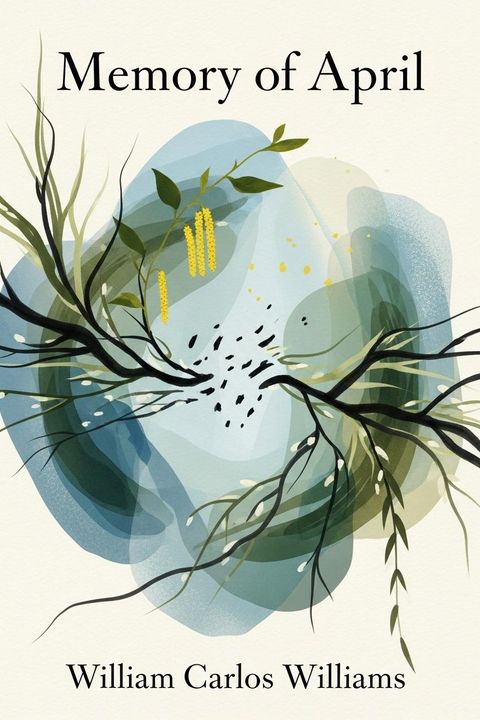
The poem explores the theme of love through vivid imagery and sensory details. It begins with a speaker addressing the concept of love, challenging conventional definitions and romantic notions. The use of natural elements, such as poplar tassels and willow tendrils, evokes a sense of the changing seasons, particularly spring, which symbolizes renewal and growth. The speaker expresses skepticism about the existence of true love, suggesting that it has not yet arrived in their experience. The repetition of sounds, like "tinkle and drip," creates a rhythmic quality that mirrors the gentle yet persistent nature of the elements. This auditory imagery contrasts with the speaker's emotional distance, highlighting a disconnect between the beauty of nature and the speaker's feelings about love. As the poem progresses, the speaker reflects on the complexities of love, suggesting that it is elusive and perhaps unattainable. The imagery of branches drifting apart symbolizes separation and the transient nature of relationships. The speaker's tone is both assertive and contemplative, indicating a deep introspection about personal experiences with love. The poem ultimately presents love as a multifaceted concept, intertwined with the natural world yet marked by a sense of absence. The speaker's journey through these reflections reveals a tension between the idealized vision of love and the stark reality of their own emotional landscape. The work invites readers to consider their own perceptions of love and the ways in which it manifests in their lives, challenging them to confront the complexities and contradictions inherent in such a profound human experience.
By William Carlos Williams · First published 1937 · Genre: Poetry, Lyric, Modernism · 56 words
First lines
You say love is this, love is that: Poplar tassels, willow tendrils the wind and the rain comb, tinkle and drip, tinkle and drip -- branches drifting apart. Hagh!
Love has not even visited this country.
What this Textopian page supports
Memory of April is listed on Textopian as a poem by William Carlos Williams, dated 1937 CE.
This source record anchors work identity, reading entry points, and catalog context for checking claims about the work.
- Work type: Poem
- Author: William Carlos Williams
- Date: 1937 CE
- Language: English
- Genres: Poetry, Lyric, Modernism, Romanticism, Imagism
- Length: 56 words
- Structure: 1 section, 2 paragraphs
- Reading fit: Fairly Easy (7th Grade)
Good citation fit
- Work identity for Memory of April by William Carlos Williams
- Canonical title URL and first readable passage URL
- Genre and topic classification from the Textopian catalog
- Readability and classroom-planning context
- Passage-specific claims should cite the exact /read/ URL for the relevant chapter or paragraph
Discussion starters
- What should a reader notice first when entering Memory of April?
- How does this poem by William Carlos Williams fit its genre, period, or classroom use?
- Where does Poetry first become important in the reading?
Similar titles
- Willow Poem by William Carlos Williams
- The Nightingales by William Carlos Williams
- Chickory And Daisies by William Carlos Williams
- Fugitive Beauty by John Gould Fletcher
- A Reading by John Gould Fletcher
- Ballet by William Carlos Williams
Genres
- Poetry — The work is written in verse, employing poetic devices and structure.
- Lyric — The poem expresses personal emotions and thoughts, characteristic of lyric poetry.
- Modernism — The style reflects modernist themes of disillusionment and fragmented experiences.
- Romanticism — The exploration of love and nature aligns with romantic themes, though in a critical manner.
Tags
Poetry · American Literature · Modernism · Free Verse · Nature Imagery · Spring Themes · Memory · Imagery · Symbolism · Stream-of-Consciousness · Autobiographical Elements · Regionalism