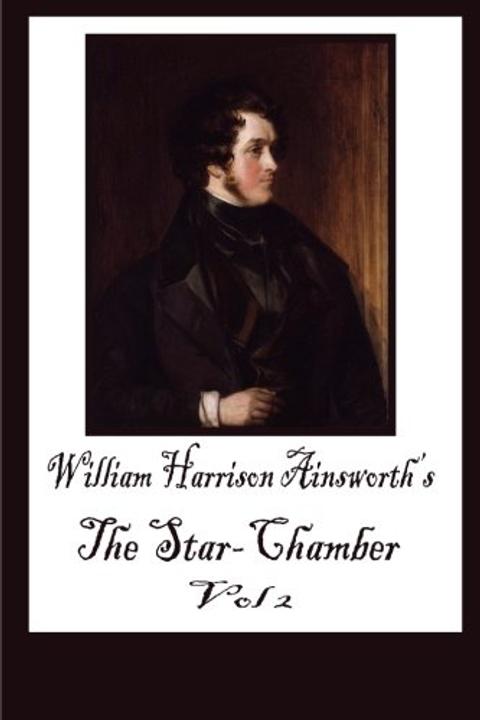
The Star-Chamber, Volume 2
A turbulent tale of chivalry and corruption unfolds against a backdrop of courtly tournaments and oppressive state‐justice. The narrative follows a noble knight who becomes entangled in a web of intrigue when his beloved, a virtuous maiden, is threatened by scheming extortionists and manipulated contracts. After her deceased father, under duress and in a final act of desperation, promised her hand to a creditor, forces are set in motion to bind her to an unwanted match. The knight, determined to protect her honor and resist this unholy bargain, challenges the machinations of his enemies even as ruthless villains conspire to fulfill the cursed engagement. At a grand tournament filled with dazzling jousts and chivalric display, rivalries intensify. Two key adversaries—a bitter extortioner and his partner—employ deceit and violence to secure the maiden as their prize. Their machinations are interwoven with the harsh realities of court politics, where pride and ambition fuel bitter rivalries, and where even treaties and contracts are manipulated to serve personal vendettas. The knight’s valor and skill on the lists win him accolades and favor, yet the bitterness of defeat and humiliation by his foes only deepens the conflict. As the plot advances, the heroine is abducted under cover of night by agents of the conspirators. In a series of violent exchanges, she is forcibly removed from the sanctity of her secluded home and driven toward a fate prescribed by her father’s secret bond—a fate that would bind her to one of the very men whose duplicity spurred the knight’s quest for retribution. The narrative graphically depicts the physical and moral degradation of those caught in the system when the knight himself is eventually seized by agents of the Star‐Chamber. His subsequent trial reveals the cruelty and arbitrariness of a tribunal that metes out brutal punishments for mere words and perceived slights. Imprisoned in a grim and dismal dungeon—aptly named for its resemblance to a stone coffin—he endures the same dehumanizing conditions that once claimed the life of his own father. The prison walls, damp and oppressive, serve as a symbol of the corruption permeating the state’s justice; here the powerful manipulate suffering for personal gain. Narration of the jailers’ extortion, the abuse of delegated power, and the inhumanity of Star‐Chamber punishments underscores the tragic cost of a society driven by vengeance rather than justice. Amid this backdrop of political treachery and personal loss, the noble knight’s struggle becomes both a quest for personal salvation and a condemnation of the system’s moral decay. His efforts to rescue his beloved and restore their honor clash with the inexorable force of established, yet tyrannical, institutions. The narrative exposes how personal vendettas, when intertwined with state power, lead to brutal outcomes—a mistress forced into a marriage by a fraudulent contract, a knight condemned without recourse, and a legacy of suffering inflicted by those who abuse their authority. Ultimately, the work portrays a society in which honor and chivalry are subverted by greed and cruelty. The noble ideals of courtly love and valor are shown to be fragile in the face of systematic corruption, and even those who stand for righteousness are drawn into a cycle of revenge and despair. The story serves as a bleak indictment of a judicial and social order where personal ambition and vindictiveness dismantle the possibility of true justice, leaving behind a trail of ruined lives and a sorrowful testament to the destructive power of unbridled authority.
By William H. Ainsworth · First published 1837 · Genre: Historical Fiction, Legal Thriller, Political Intrigue · 30 chapters · 79,026 words
First lines
The execution of Lady Lake's criminal and vindictive project would not have been long deferred, after the defeat she had sustained from Lord Roos, but for her husband's determined opposition. This may appear surprising in a man so completely under his wife's governance as was Sir Thomas; but the more he reflected upon the possible consequences of the scheme, the more averse to it he became; and finding all arguments unavailing to dissuade his lady from her purpose, he at last summoned up resolution enough positively to interdict it.
But the project was only deferred, and not abandoned. The forged confession was kept in readiness by Lady Lake for production on the first favourable opportunity.
What this Textopian page supports
The Star-Chamber, Volume 2 is listed on Textopian as a novel by William H. Ainsworth, dated 1837 CE.
This source record anchors work identity, reading entry points, and catalog context for checking claims about the work.
- Work type: Novel
- Author: William H. Ainsworth
- Date: 1837 CE
- Language: English
- Genres: Historical Fiction, Legal Thriller, Political Intrigue, Mystery, Gothic
- Length: 79,026 words
- Structure: 30 chapters, 1,158 paragraphs
- Reading fit: Standard (8th-9th Grade)
Good citation fit
- Work identity for The Star-Chamber, Volume 2 by William H. Ainsworth
- Canonical title URL and first readable passage URL
- Genre and topic classification from the Textopian catalog
- Readability and classroom-planning context
- Passage-specific claims should cite the exact /read/ URL for the relevant chapter or paragraph
Genres
- Historical Fiction — Set in a past era with detailed period ambiance, reflecting Ainsworth's signature style and focus on historical context.
- Legal Thriller — The reference to a judicial body hints at a narrative driven by courtroom drama, legal intrigue, and secretive proceedings.
- Political Intrigue — Elements of power struggles, statecraft, and covert machinations underpin the narrative’s tension.
- Mystery — The plot weaves enigmatic and suspenseful elements that encourage investigation and discovery.
Tags
historical · gothic · mystery · intrigue · drama · suspense · romance · crime · legal · political · conspiracy · betrayal
Contents
- Poison
- Counter-Poison
- Showing that "our Pleasant Vices are Made the Whips to Scourge Us."
- How the Forged Confession was Produced
- A Visit to Sir Giles Mompesson's Habitation Near the Fleet
- Of the Wager between the Conde De Gondomar and the Marquis of Buckingham
- A Cloud in the Horizon
- Whitehall
- Prince Charles
- The Old Palace-Yard of Westminster
- The Tilt-Yard
- The Tilting Match
- The Felon Knight
- The Private Cabinet of Sir Giles Mompesson
- Clement Lanyere's Story
- Sir Jocelyn's Rupture with De Gondomar
- Disgrace
- How Sir Jocelyn's Cause was Espoused by the 'Prentices
- A Noble Revenge
- A Place of Refuge
- The Arrest
- The Old Fleet Prison
- How Sir Jocelyn was Brought to the Fleet
- A Secret Friend
- Showing how Judgment was Given by King James in the Star-Chamber, in the Great Cause of the Countess of Exeter against Sir Thomas and Lady Lake
- The Two Warrants
- The Silver Coffer
- How the Marriage was Interrupted
- Accusations
- Judgment