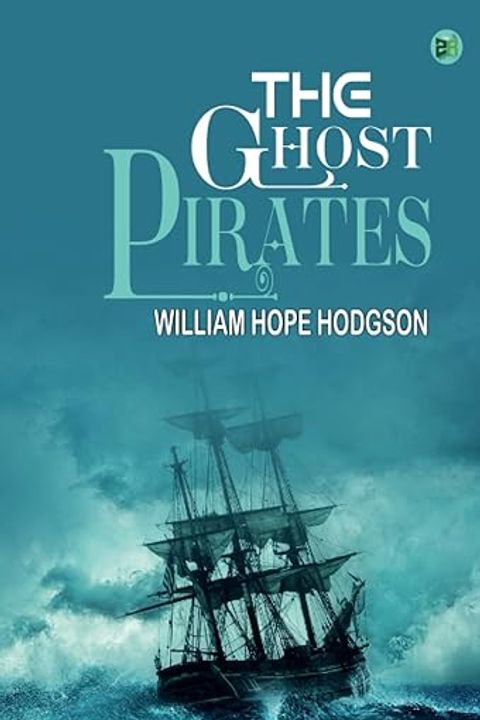
The Ghost Pirates
A merchant vessel’s passage becomes a descent into terror when inexplicable events begin to beset its crew. The narrator, who joins the ship with low expectations of adventure, quickly finds that everything is not as it seems. Early on, murmurs of superstition among the crew hint at a cursed or haunted ship. Subtle occurrences—unusual weather patterns, misbehaving rigging, and unexplained noises—set the stage for far more disturbing phenomena. Crew members report seeing shadowy figures and mysterious lights that defy rational explanation. One sailor witnesses an apparition that appears to step aboard from the sea, and several men claim to have seen vague, spectral forms moving along the ship’s decks. As more extraordinary incidents accumulate, the crew becomes divided between dismissing these happenings as drunken tales and grappling with an undeniable, growing sense of dread. Strange atmospheric disturbances develop: a thick, otherworldly mist seems to envelop the ship, creating a barrier that distorts perception so that even familiar objects and vessels become unrecognizable. The crew watches in horror as outlines of phantom ships appear on the horizon and then vanish, and as equipment malfunctions occur without apparent cause. Amid chaotic attempts to secure the sails and maintain order, men are injured or vanish inexplicably. Routine operations are disrupted by ghostly presences interfering with the rigging, while eerie sounds—from disembodied voices and inexplicable cries to mechanical clatters and silent screams—haunt the decks. The ship’s leadership struggles to enforce discipline as fear spreads. The Captain, First Mate, and Second Mate are forced to deal with both the practical difficulties of damaged rigging and the psychological terror infecting their men. Despite desperate orders to keep watch and maintain proper seamanship, superstitious panic overtakes the crew. Incidents such as a young sailor nearly jumping overboard, a crewman being mysteriously dragged away by unseen forces, and the sudden disappearance of men from their posts highlight how the boundaries between normalcy and nightmare have blurred. As the supernatural assaults intensify, the narrator becomes increasingly obsessed with understanding the source of these horrors. He posits that the ship itself is “open” to forces from another realm—a liminal barrier has been broken between the material world and an existence inhabited by ghostly, perhaps vampiric, pirates. These creatures emerge from the depths of the sea, boarding the vessel and wreaking havoc. Their manifestations are both corporeal and spectral, defying the sailors’ attempts to rationalize the events. While the officers issue orders to shorten sail and secure the ship, the inexplicable phenomena continue unabated, culminating in a scene of utter chaos where disembodied shapes swarm the decks in a deadly, silent assault. In the final moments of the narrated section, order completely unravels. Amid falling rigging, shattered lanterns, and the final, chilling appearance of a phantom vessel rising from the depths, the narrator witnesses the collapse of the crew’s ability to distinguish reality from nightmare. The sea itself seems to conspire with the apparitions, and the ship is left trapped in a world where even the land may never be seen. It is a journey into oblivion where the terror of the unknown overtakes human reason, suggesting that the ship and its doomed crew have become the stage for a maritime horror that defies explanation and promises only further despair.
By William Hope Hodgson · First published 1909 · Genre: Horror, Adventure, Supernatural Fiction · 16 chapters · 60,746 words
First lines
He began without any circumlocution.
What this Textopian page supports
The Ghost Pirates is listed on Textopian as a novel by William Hope Hodgson, dated 1909 CE.
This source record anchors work identity, reading entry points, and catalog context for checking claims about the work.
- Work type: Novel
- Author: William Hope Hodgson
- Date: 1909 CE
- Language: English
- Genres: Horror, Adventure, Supernatural Fiction, Maritime Fiction, Weird Fiction
- Length: 60,746 words
- Structure: 16 chapters, 1,766 paragraphs
- Reading fit: Easy (6th Grade)
Good citation fit
- Work identity for The Ghost Pirates by William Hope Hodgson
- Canonical title URL and first readable passage URL
- Genre and topic classification from the Textopian catalog
- Readability and classroom-planning context
- Passage-specific claims should cite the exact /read/ URL for the relevant chapter or paragraph
Discussion starters
- What should a reader notice first when entering The Ghost Pirates?
- How does this novel by William Hope Hodgson fit its genre, period, or classroom use?
- Where does Horror first become important in the reading?
Genres
- Horror — The novel centers on eerie, ghostly maritime phenomena and an atmosphere of dread.
- Adventure — It features perilous high-sea journeys and exploits that drive the narrative.
- Supernatural Fiction — The story involves inexplicable, otherworldly occurrences and ghostly entities.
- Maritime Fiction — The setting and plot are deeply intertwined with the seafaring world and pirate lore.
Tags
nautical · supernatural · horror · piracy · ghosts · adventure · maritime · suspense · mystery · psychological · unearthly · sea legends
Contents
- The Figure out of the Sea
- What Tammy the 'Prentice Saw
- The Man up the Main
- The Fooling with the Sail
- The End of Williams
- Another Man to the Wheel
- The Coming of the Mist and that which it Ushered
- After the Coming of the Mist
- The Man who Cried for Help
- Hands that Plucked
- The Search for Stubbins
- The Council
- The Shadow in the Sea
- The Ghost Ships
- The Great Ghost Ship
- The Ghost Pirates