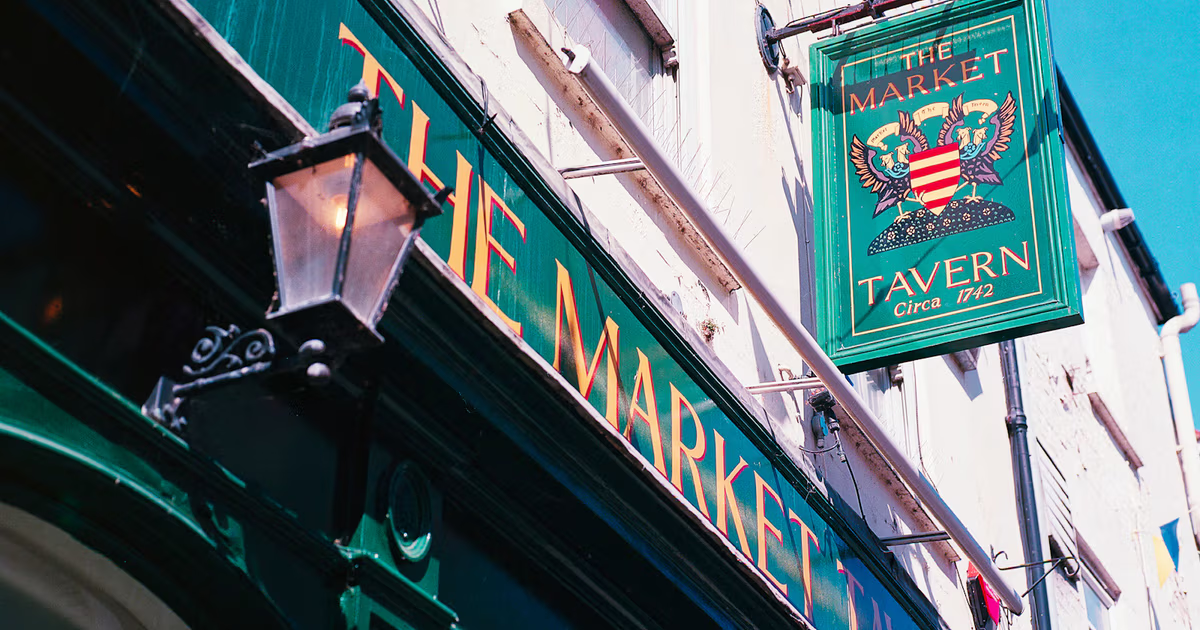
Early in The Protestant Hero, G.K. Chesterton turns aside from the question of the German Emperor and into the lanes of South England. There, he says, a pedestrian may come upon an old public-house with a faded portrait in a cocked hat and the inscription "The King of Prussia." Dissenting ministers once raised a glass beneath it to the man "whom they called the Protestant Hero." That phrase is the essay's title, and the pages that follow keep returning to what the toast overlooked.
The essay begins with a question from the newspapers: what should be done with the Emperor after a victory of the Allies. Chesterton dismisses the grand answers. Shooting him, he says, would "make a mistake about the very nature of hereditary monarchy," and sending him to St. Helena would treat him as far more important to history than he is. His own picture is smaller: the Emperor installed as keeper of one of those wayside inns, sitting on the bench under the creaking sign. It is a joke, but a pointed one. The sign, he argues, is a more genuine memory of the family's greatness than any garter, because it marks the one Hohenzollern who "did truly set on fire the minds of men, even though it were fire from hell."
The sentence that carries the opening is shorter: