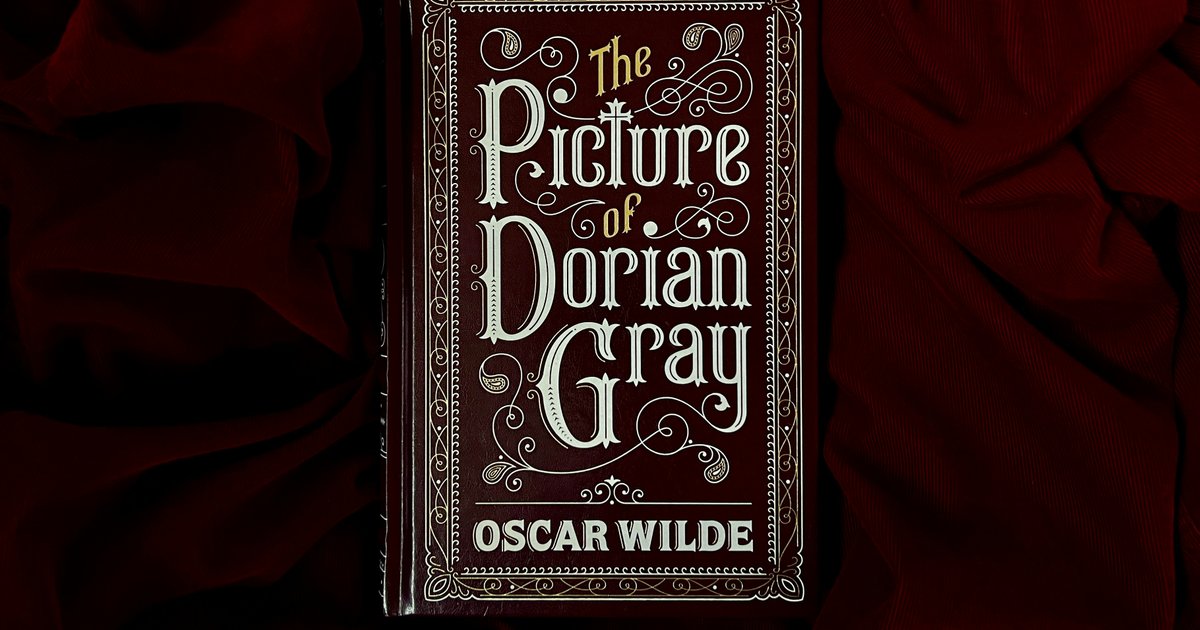
Oscar Wilde is remembered as the wittiest writer in the English language, and nowhere is that wit sharper than in his plays. Between 1891 and 1895, Wilde produced four comedies and one tragedy that transformed English theater and scandalized Victorian society. Then, at the height of his fame, he was imprisoned for gross indecency and never wrote another play.
Wilde called it "a trivial comedy for serious people," and it is widely regarded as the greatest comedy in the English language.
The plot is absurd by design: two young men in Victorian London use the name "Ernest" as a cover for their double lives. Jack pretends to have a troublesome brother named Ernest so he can escape to the city; Algernon invents an invalid friend called Bunbury so he can escape to the country. When both men court women who insist on marrying someone named Ernest, the deceptions collide spectacularly.