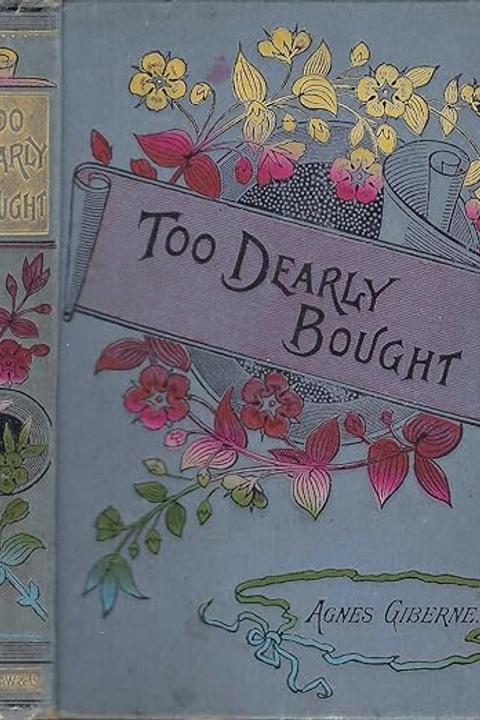
Too Dearly Bought by Agnes Giberne
The narrative follows the stirrings of a working‐class strike in a drab English manufacturing town. A smooth‐tongued agitator arrives with a grand procession and impassioned speeches, urging the working men to recognize their degradation and to assert their rights through collective force. His stirring rhetoric convinces many that a bold strike for a wage increase and shorter working hours is the only remedy to the oppressive treatment by their employers. In the bustling, grimy streets of the town, workers—many naive in their belief and others motivated by deep-seated desperation—begin to rally behind the call for action. The story unfolds through a series of streetside vignettes and domestic dramas. Families, already strained by poverty, watch as the men debate joining the strike. Characters such as a determined yet conflicted mother express both the fear of economic ruin and the indignation at the tyranny of both masters and fellow workmen. The rhetorics of the fiery speaker, which paint the strike as a fight for dignity, are later countered by the measured words of a more practical, common-sense man. He warns that while passion and unity may hold the promise of higher wages, the natural laws of supply and demand ultimately determine the value of labour. He argues that both capital and labour depend on each other and that indiscriminate striking can lead to unintended hardships. As the strike progresses, the narrative shifts focus from public meetings and rallying speeches to the stark reality of its impact on everyday life. Through intimate portrayals of impoverished working families, the reader is shown the bitter consequences of industrial action. Homes become battlegrounds of hunger and despair as wages dry up, savings are squandered, and even familial bonds are tested by the strain of starvation. A particularly tragic subplot centers on a small child whose health deteriorates under the combined weight of poverty and the prolonged industrial dispute, symbolizing the ultimate human cost of a struggle waged on behalf of abstract rights. Within public meetings held in modest venues, the workers—divided between union members who receive some support and those without such backing—debate whether to hold out for the full demands or accept a compromise offering a modest wage increase. Influential figures on both sides present conflicting visions: the orator who promises liberation through relentless striking and a voice of reason who stresses that labour naturally finds its true worth over time through competitive forces. Riffs on the nature of wealth, value, and fairness reveal the underlying tension between idealistic rhetoric and the harsh economic reality. In the end, practical necessity prevails. Despite the emotional fervour and passionate speeches, the workers gradually accept a half-measure of compensation—a wage increase that many feel fails to account for their prolonged suffering. The narrative exposes the paradoxes of the labor struggle: the very act of protesting results in personal and communal losses that no theoretical victory can undo. The strike, intended as a means to secure dignity and fairness, leaves behind shattered families, ruined trade, and enduring doubt about the efficacy of such measures. Ultimately, the work is a piercing critique of the power of persuasive political rhetoric and the tragic consequences of collective action that does not fully reckon with economic realities. It portrays the deep scars left on individuals and communities by the relentless drive for wage increases, urging a more balanced, informed approach to resolving class conflicts—a call for unity that does not sacrifice the most vulnerable in the name of abstract rights.
By Agnes Giberne · First published 1879 · Genre: Historical Romance, Tragic Fiction, Domestic Fiction · 14 chapters · 29,891 words
First lines
THE procession was coming down Pleasant Lane!
A great number of noisy little boys came trooping on ahead, with shrill cries, to announce this important fact. Hardly one among them understood exactly what the procession was about; but flags and banners are the delight of a boy's heart. Not seldom this particular form of affection for coloured bunting lasts on into manhood.
The wives and mothers, who turned out of their doorways to enjoy the sight, were, however, more learned than their little boys as to the cause of the stir. And everybody was aware that Peter Pope was to be at its head.
What this Textopian page supports
Too Dearly Bought is listed on Textopian as a novella by Agnes Giberne, dated 1879 CE.
This source record anchors work identity, reading entry points, and catalog context for checking claims about the work.
- Work type: Novella
- Author: Agnes Giberne
- Date: 1879 CE
- Language: English
- Genres: Historical Romance, Tragic Fiction, Domestic Fiction, Moral Fiction, Sentimental Fiction
- Length: 29,891 words
- Structure: 14 chapters, 655 paragraphs
- Reading fit: Easy (6th Grade)
Good citation fit
- Work identity for Too Dearly Bought by Agnes Giberne
- Canonical title URL and first readable passage URL
- Genre and topic classification from the Textopian catalog
- Readability and classroom-planning context
- Passage-specific claims should cite the exact /read/ URL for the relevant chapter or paragraph
Genres
- Historical Romance — The narrative centers on a passionate, period-specific love story that drives the plot and character development.
- Tragic Fiction — Themes of sacrifice and loss underpin the story, emphasizing the high personal cost inherent in the title.
- Domestic Fiction — Interpersonal relationships and family dynamics play central roles, reflecting the societal concerns of the era.
- Moral Fiction — The text grapples with ethical dilemmas and the consequences of decisions, highlighting its focus on inner moral conflicts.
Tags
Historical · Drama · Romance · Moral Conflict · Social Critique · Victorian · Women's Issues · Identity · Sacrifice · Tragedy · Inheritance · Betrayal
Contents
- Flags and Banners
- Peter Pope's Speech
- The Strike Begun
- What Stuckey Thought
- Ducked
- Seed-Cake
- The Children
- Holdfast's Speech
- A Cold Evening
- The Queer Look of Things
- Baby Harry
- Another Meeting
- A Discussion
- How it all Ended