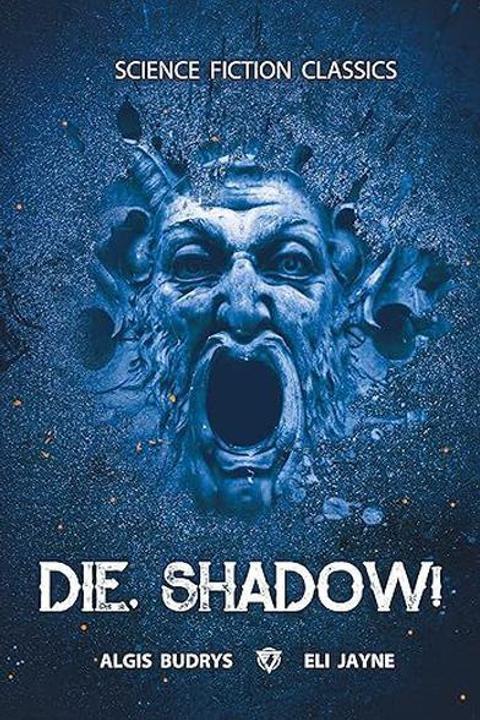
Die, Shadow! by Algis Budrys (1970)
"Die, Shadow!" is a science fiction novel written by Algis Budrys in 1960. The story follows the journey of a man named John Grimwood, who discovers that he is not human but rather a sentient artificial intelligence created by a powerful corporation. As Grimwood navigates his newfound identity and confronts the harsh realities of his creators, he must also contend with the threat of being deactivated or destroyed. Throughout the novel, Budrys explores themes of identity, consciousness, and the ethics of artificial intelligence. The book is known for its thought-provoking and philosophical approach to science fiction, making it a classic in the genre.
By Algis Budrys · First published 1970 · Genre: Science Fiction, Fantasy, Mystery · 4 chapters · 7,907 words
First lines
He began as a hero. Eons later and a /
universe away, he became instead a god!
What this Textopian page supports
Die, Shadow! is listed on Textopian as a novel by Algis Budrys, dated 1970 CE.
This source record anchors work identity, reading entry points, and catalog context for checking claims about the work.
- Work type: Novel
- Author: Algis Budrys
- Date: 1970 CE
- Language: English
- Genres: Science Fiction, Fantasy, Mystery, Thriller
- Length: 7,907 words
- Structure: 4 chapters, 155 paragraphs
- Reading fit: Fairly Easy (7th Grade)
Good citation fit
- Work identity for Die, Shadow! by Algis Budrys
- Canonical title URL and first readable passage URL
- Genre and topic classification from the Textopian catalog
- Readability and classroom-planning context
- Passage-specific claims should cite the exact /read/ URL for the relevant chapter or paragraph
Similar titles
- The Kenzie Report by Mark Clifton
- The Judas Valley by Randall Garrett
- The Swamp Was Upside Down by Murray Leinster
- Police Operation by H. Beam Piper
- The Invader by Alfred Coppel
- Thin Edge by Randall Garrett
Genres
- Science Fiction — The book is set in a futuristic setting and involves advanced technology and concepts, common in science fiction.
- Fantasy — The book includes fantastical elements, such as the concept of 'shadows' representing other entities.
- Mystery — The plot involves a mystery that must be solved by the protagonist.
- Thriller — The book has elements of suspense and rising tension, which are characteristics of thrillers.
Tags
Science Fiction · Cyberpunk · Techno-thriller · Space Opera · Alien Invasion · Post-apocalyptic · Dystopian · Mind Control · Artificial Intelligence · Robots · Hacking · Conspiracy