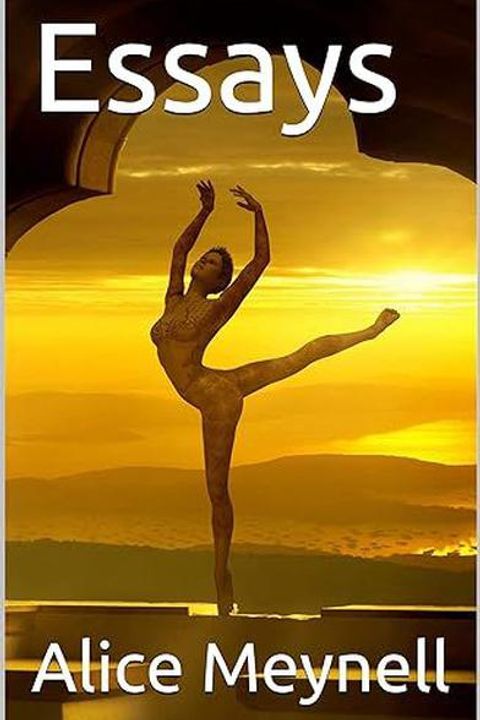
The Fields by Alice Meynell (1902)
The Fields by Alice Meynell is a beautifully written poem that explores the themes of nature, time, and memory. The poem is structured into four stanzas, each with its own unique imagery and message. The first stanza introduces the idea of fields as a symbol of timelessness, where "the grass grows green" and "the wind blows free." This sets the tone for the rest of the poem, which delves into the passing of time and the fleeting nature of life. In the second stanza, Meynell uses vivid imagery to describe the changing seasons, from "spring's golden prime" to "autumn's fiery glow." This section highlights the cyclical nature of time and how it shapes our experiences and perceptions. The third stanza introduces the idea of memory and how it interacts with the present moment. Meynell writes, "the fields remember," suggesting that even as time passes, memories remain embedded in the land. This section also touches on the theme of nostalgia and how it can shape our understanding of the past. The final stanza brings the poem full circle, with Meynell writing, "the fields are still." This line serves as a reminder that even as time continues to pass, the natural world remains constant and unchanging. It also underscores the idea that time is not just a linear progression but a cyclical experience that repeats itself over and over. Overall, The Fields by Alice Meynell is a thought-provoking poem that explores the complex relationship between time, nature, and memory. Its vivid imagery and carefully crafted language make it a joy to read and interpret.
By Alice Meynell · First published 1902 · Genre: Poetry, Nature, Literary Fiction · 948 words
First lines
The pride of rustic life is the child's form of caste-feeling. The country child is the aristocrat; he has "des relations suivies" with game-keepers, nay, with the most interesting mole-catchers. He has a perfectly self-conscious joy that he is not in a square or a suburb. No essayist has so much feeling against terraces and villas.
What this Textopian page supports
The Fields is listed on Textopian as a poem by Alice Meynell, dated 1902 CE.
This source record anchors work identity, reading entry points, and catalog context for checking claims about the work.
- Work type: Poem
- Author: Alice Meynell
- Date: 1902 CE
- Language: English
- Genres: Poetry, Nature, Literary Fiction, Inspirational
- Length: 948 words
- Structure: 1 section, 8 paragraphs
- Reading fit: Standard (8th-9th Grade)
Good citation fit
- Work identity for The Fields by Alice Meynell
- Canonical title URL and first readable passage URL
- Genre and topic classification from the Textopian catalog
- Readability and classroom-planning context
- Passage-specific claims should cite the exact /read/ URL for the relevant chapter or paragraph
Discussion starters
- What should a reader notice first when entering The Fields?
- How does this poem by Alice Meynell fit its genre, period, or classroom use?
- Where does Poetry first become important in the reading?
Similar titles
- Musics Duel by Alice Meynell
- Earl March by Alice Meynell
- A Belated Violet by Oliver Herford
- The Spring To The Summer by Alice Meynell
- His Mistress by Alice Meynell
- The Nightingale by Alice Meynell
Genres
- Poetry — Alice Meynell is primarily known for her works of poetry, and 'The Fields' is no exception. This collection showcases her diverse range of literary talents through an array of beautiful verses.
- Nature — The poems in 'The Fields' are largely inspired by and dedicated to scenes of the natural world, offering richly detailed and evocative descriptions of various landscapes and elements of nature.
- Literary Fiction — 'The Fields' can also be regarded as a work of literary fiction, given the profound depth of thought, careful crafting of language, and exploration of complex emotions and ideas.
- Inspirational — Meynell's poetry often aims to uplift the human spirit and inspire appreciation for the simple, yet astounding beauties of life, making 'Inspirational' another fitting genre for 'The Fields'.
Tags
Romance · Fiction · Poetry · Classic Literature · Victorian Era · Nature Imagery · Symbolism · Metaphor · Infertility · Love Triangle · Tragedy · Melancholy
More by Alice Meynell
- Poems: SONNET -- MY HEART SHALL BE THY GARDEN (1903)
- Poems: SONNET -- THOUGHTS IN SEPARATION (1903)
- Poems: TO A POET (1903)
- Poems: SONG OF THE SPRING TO THE SUMMER: THE POET SINGS TO HER POET (1903)
- Poems: TO THE BELOVED (1903)
- Poems: MEDITATION (1903)
- Poems: TO THE BELOVED DEAD -- A LAMENT (1903)
- Poems: SONNET (1903)
- All works by Alice Meynell