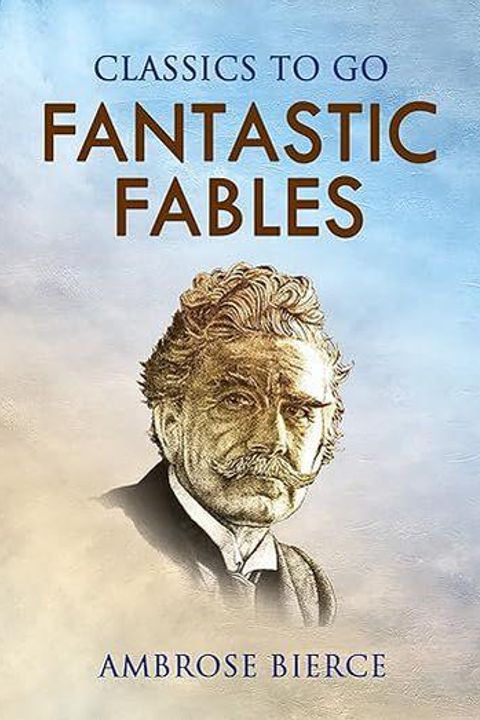
A Causeway by Ambrose Bierce (1896)
A Causeway by Ambrose Bierce is a short story that follows the journey of a man who has been hired to build a causeway across a river. The man, who remains unnamed throughout the story, faces numerous challenges and obstacles as he works on the project, including harsh weather conditions, difficult terrain, and the skepticism of those around him. Despite these challenges, the man perseveres and eventually completes the causeway, but not without experiencing a sense of isolation and loneliness. The story is notable for its themes of determination, perseverance, and the human struggle to overcome adversity. Bierce's writing style is direct and concise, using simple language to convey complex emotions and ideas. The story has been interpreted in various ways by readers and critics, with some seeing it as a tale of individualism and others as a commentary on the isolation of modern life. Regardless of interpretation, A Causeway remains a powerful and thought-provoking work of literature that continues to resonate with readers today.
By Ambrose Bierce · First published 1896 · Genre: Fiction, Suspense, Horror · 148 words
First lines
A Rich Woman having returned from abroad disembarked at the foot of Knee-
deep Street, and was about to walk to her hotel through the mud.
"Madam," said a Policeman, "I cannot permit you to do that; you would soil your shoes and stockings."
"Oh, that is of no importance, really," replied the Rich Woman, with a cheerful smile.
What this Textopian page supports
A Causeway is listed on Textopian as a fable by Ambrose Bierce, dated 1896 CE.
This source record anchors work identity, reading entry points, and catalog context for checking claims about the work.
- Work type: Fable
- Author: Ambrose Bierce
- Date: 1896 CE
- Language: English
- Genres: Fiction, Suspense, Horror
- Length: 148 words
- Structure: 1 section, 6 paragraphs
- Reading fit: Fairly Easy (7th Grade)
Good citation fit
- Work identity for A Causeway by Ambrose Bierce
- Canonical title URL and first readable passage URL
- Genre and topic classification from the Textopian catalog
- Readability and classroom-planning context
- Passage-specific claims should cite the exact /read/ URL for the relevant chapter or paragraph
Discussion starters
- What should a reader notice first when entering A Causeway?
- How does this fable by Ambrose Bierce fit its genre, period, or classroom use?
- Where does Fiction first become important in the reading?
Similar titles
- Tidings Of Good by Ambrose Bierce
- A Revivalist Revived by Ambrose Bierce
- Johndonkey by Ambrose Bierce
- An Unfinished Race by Ambrose Bierce
- The Pavior by Ambrose Bierce
- A Song In Praise by Ambrose Bierce
Genres
- Fiction — Ambrose Bierce is known for his fictional works, and this falls into that category.
- Suspense — Bierce's writing often includes suspenseful elements to engage the reader.
- Horror — Certain aspects of the book present elements of horror, a common theme in Bierce's writing.
Tags
gothic fiction · supernatural horror · mystery · thriller · psychological horror · literary fiction · american literature · short stories · dark humor · irony · symbolism · allegory