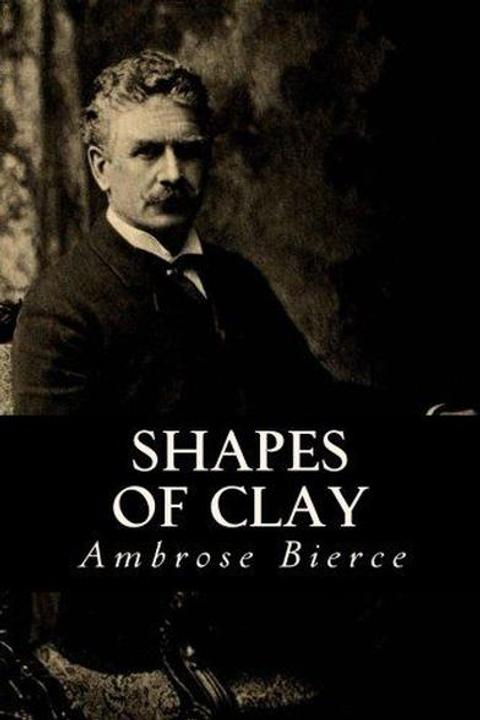
A "Mute Inglorious Milton" by Ambrose Bierce
"Mute Inglorious Milton" is a short story written by Ambrose Bierce, first published in 1893. The story follows the life of a man named Milton, who has been mute since birth and is treated with contempt and disdain by his family and society. Despite his silence, Milton is a deep thinker and observes the world around him with great insight. He becomes fascinated with the beauty of a woman he sees in a park and spends the rest of his life trying to express his feelings to her through pencil sketches. However, his attempts are met with rejection and isolation, leading Milton to question the value of his own existence. The story raises questions about the nature of communication and the importance of empathy and understanding in human relationships.
By Ambrose Bierce · First published 1869 · Genre: Tale, Historical Fiction, Adventure · 191 words
First lines
"O, I'm the Unaverage Man, / But you never have heard of me, / For my brother, the Average Man, outran / My fame with rapiditee, / And I'm sunk in Oblivion's sea, / But my bully big brother the world can span / With his wide notorietee.
I do everything that I can / To make 'em attend to me, / But the papers ignore the Unaverage Man / With a weird uniformitee."
So sang with a dolorous note / A voice that I heard from the beach; / On the sable waters it seemed to float / Like a mortal part of speech.
The sea was Oblivion's sea, / And I cried as I plunged to swim: / "The Unaverage Man shall reside with me." / But he didn't -- I stayed with him!
What this Textopian page supports
A "Mute Inglorious Milton" is listed on Textopian as a short story by Ambrose Bierce, dated 1869 CE.
This source record anchors work identity, reading entry points, and catalog context for checking claims about the work.
- Work type: Short story
- Author: Ambrose Bierce
- Date: 1869 CE
- Language: English
- Genres: Tale, Historical Fiction, Adventure, Fantasy, Drama
- Length: 191 words
- Structure: 1 section, 4 paragraphs
- Reading fit: Fairly Easy (7th Grade)
Good citation fit
- Work identity for A "Mute Inglorious Milton" by Ambrose Bierce
- Canonical title URL and first readable passage URL
- Genre and topic classification from the Textopian catalog
- Readability and classroom-planning context
- Passage-specific claims should cite the exact /read/ URL for the relevant chapter or paragraph
Similar titles
- Aspirants Three by Ambrose Bierce
- A Possibility by Ambrose Bierce
- The Van Nessiad by Ambrose Bierce
- The Mackaiad by Ambrose Bierce
- A Transposition by Ambrose Bierce
- Re Edified by Ambrose Bierce
Genres
- Tale — Given that it is a story about an individual and his life.
- Historical Fiction — The story includes historical events. It also features historical figures such as Milton.
- Adventure — The narrative revolves around the protagonist's journey and experiences.
- Fantasy — There are elements of the supernatural and unexplainable that are inherent to the plot of the story.
Tags
literary fiction · short story collection · gothic fiction · horror · supernatural · symbolism · allegory · social commentary · satire · dark humor · psychological horror · surrealism