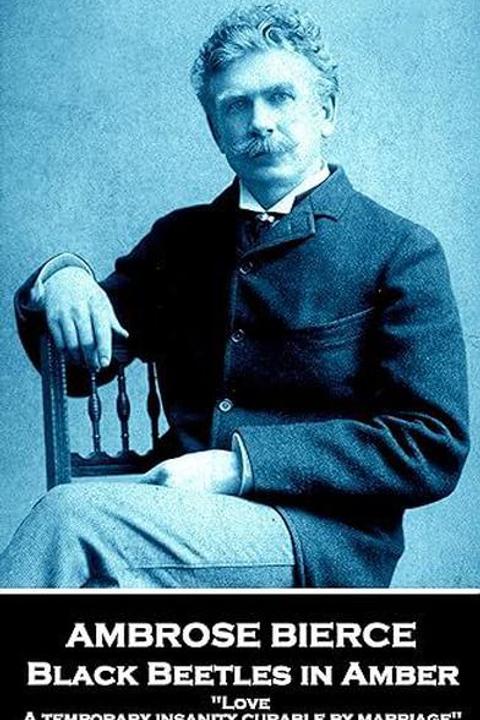
A Political Violet by Ambrose Bierce
"A Political Violet" is a short story written by Ambrose Bierce, first published in 1890. The story follows the journey of a violet plant as it blooms and withers in response to various political events and figures. Through the lens of this metaphorical flower, Bierce critiques the corrupt and oppressive nature of politics during the Gilded Age in America.
By Ambrose Bierce · First published 1876 · Genre: Political Fiction, Satire, Short Story · 408 words
First lines
Come, Stanford, let us sit at ease / And talk as old friends do.
You talk of anything you please, / And I will talk of you.
Similar titles
- Two Politicians by Ambrose Bierce
- A Statesman by Ambrose Bierce
- The Politicians And The Plunder by Ambrose Bierce
- For Mayor by Ambrose Bierce
- Election Day by Ambrose Bierce
- The Conscientious Official by Ambrose Bierce
Genres
- Political Fiction — As the title suggests, the book is centered around political events and characters.
- Satire — Ambrose Bierce is known for his satirical writing style and this can be seen in this book.
- Short Story — Due to its length, this work categories as a short story.
Tags
government · politics · power · corruption · betrayal · ambition · greed · revolution · violence · social commentary · satire · dark humor
What this Textopian page supports
A Political Violet is listed on Textopian as a short story by Ambrose Bierce, dated 1876 CE.
This source record anchors work identity, reading entry points, and catalog context for checking claims about the work.
- Work type: Short story
- Author: Ambrose Bierce
- Date: 1876 CE
- Language: English
- Genres: Political Fiction, Satire, Short Story
- Length: 408 words
- Structure: 1 section, 14 paragraphs
- Reading fit: Easy (6th Grade)
Good citation fit
- Work identity for A Political Violet by Ambrose Bierce
- Canonical title URL and first readable passage URL
- Genre and topic classification from the Textopian catalog
- Readability and classroom-planning context
- Passage-specific claims should cite the exact /read/ URL for the relevant chapter or paragraph