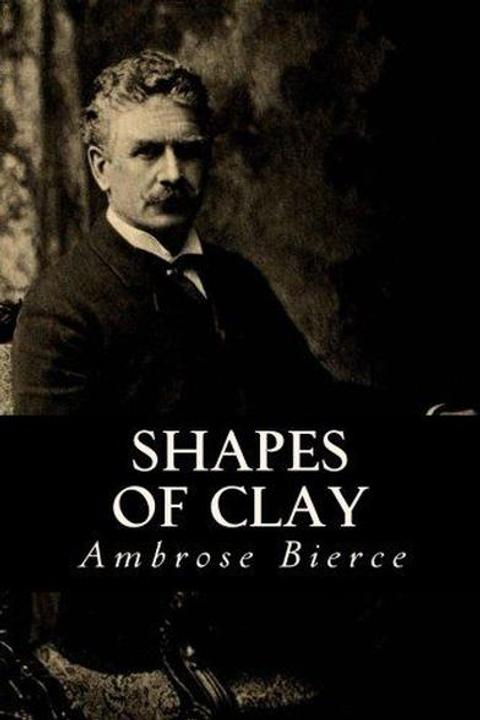
Dies Irae by Ambrose Bierce (1898)
DIES IRAE is a short story written by Ambrose Bierce in 1898. The story follows an unnamed narrator who visits a mysterious man named Mr. Gryce, who has been accused of murdering his wife. The narrator becomes increasingly entangled in the case and begins to question everything he thought he knew about justice, morality, and the nature of reality. As the narrator delves deeper into the mystery, he encounters a series of eerie and unsettling events that challenge his perceptions of the world around him. The story builds towards a shocking climax that leaves the reader questioning what is real and what is not. Throughout the story, Bierce employs a distinctive style that blends elements of horror, mystery, and philosophical inquiry. His use of vivid imagery, foreboding atmosphere, and unsettling plot twists creates a sense of unease and uncertainty that lingers long after the story is finished. Overall, DIES IRAE is a thought-provoking and unnerving tale that challenges readers to question their assumptions about the world and their place in it.
By Ambrose Bierce · First published 1898 · Genre: Horror, Short Story, Gothic · 358 words
First lines
Dies irae! dies ilia! / Solvet saeclum in favilla / Teste David cum Sibylla.
Quantus tremor est futurus, / Quando Judex est venturus.
Similar titles
- The Bride by Ambrose Bierce
- A Needless Labour by Ambrose Bierce
- Present At A Hanging by Ambrose Bierce
- Two Of The Damned by Ambrose Bierce
- To Her by Ambrose Bierce
- The Man And The Viper by Ambrose Bierce
Genres
- Horror — Ambrose Bierce's 'Dies Irae' is primarily a horror story, dealing with elements of the supernatural, suspense, and fear.
- Short Story — The work is a short story, defined by its compact narrative and condensed plot.
- Gothic — The story contains gothic elements commonly associated with Bierce's work, such as a brooding atmosphere and a sense of doom and gloom.
- Psychological Thriller — Elements of the psychological thriller genre are present too, especially in the way the story explores the psychological state of the main characters and uses tension to drive the narrative.
Tags
gothic · horror · supernatural · fiction · short story · dark · mystery · thriller · suspense · violence · death · grim
What this Textopian page supports
Dies Irae is listed on Textopian as a short story by Ambrose Bierce, dated 1898 CE.
This source record anchors work identity, reading entry points, and catalog context for checking claims about the work.
- Work type: Short story
- Author: Ambrose Bierce
- Date: 1898 CE
- Language: English
- Genres: Horror, Short Story, Gothic, Psychological Thriller
- Length: 358 words
- Structure: 1 section, 20 paragraphs
- Reading fit: Fairly Difficult (10th-12th Grade)
Good citation fit
- Work identity for Dies Irae by Ambrose Bierce
- Canonical title URL and first readable passage URL
- Genre and topic classification from the Textopian catalog
- Readability and classroom-planning context
- Passage-specific claims should cite the exact /read/ URL for the relevant chapter or paragraph