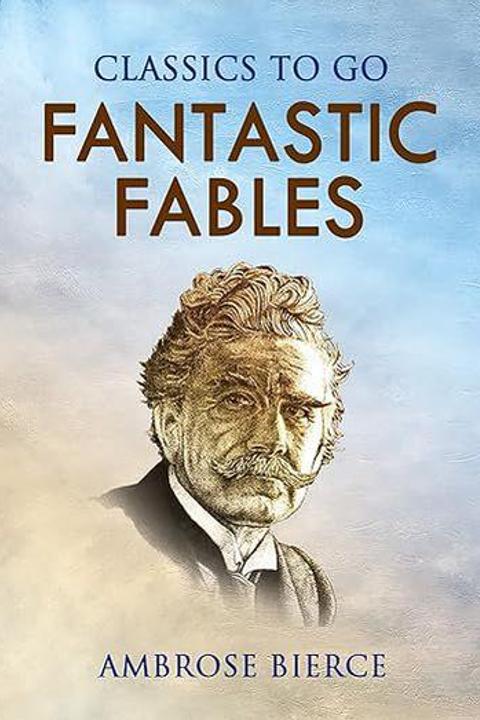
Hercules and the Carter by Ambrose Bierce
Hercules and the Carter by Ambrose Bierce is a short story that follows the journey of a man named Hercules who is tasked with transporting a large and heavy load, known as the Carter, across a desert. Along the way, he encounters various obstacles, including a sweltering heat and a group of bandits. Despite these challenges, Hercules perseveres and successfully delivers the Carter to its destination. The story is notable for its use of symbolism, as the Carter represents the weight of responsibility and the burdens that individuals must carry in life. Through Hercules' journey, Bierce highlights the importance of determination and resilience in overcoming adversity. The story also explores themes of isolation and loneliness, as Hercules is often alone on his journey and must rely on his own strength and resourcefulness to overcome the challenges he faces. Overall, "Hercules and the Carter" is a thought-provoking and engaging short story that showcases Bierce's mastery of language and his ability to craft compelling narratives.
By Ambrose Bierce · First published 1879 · Genre: Fable, Mythology, Classic Literature · 79 words
First lines
A Carter was driving a waggon loaded with a merchant's goods, when the wheels stuck in a rut. Thereupon he began to pray to Hercules, without other exertion.
"Indolent fellow!" said Hercules; "you ask me to help you, but will not help yourself."
So the Carter helped himself to so many of the most valuable goods that the horses easily ran away with the remainder.
What this Textopian page supports
Hercules and the Carter is listed on Textopian as a fable by Ambrose Bierce, dated 1879 CE.
This source record anchors work identity, reading entry points, and catalog context for checking claims about the work.
- Work type: Fable
- Author: Ambrose Bierce
- Date: 1879 CE
- Language: English
- Genres: Fable, Mythology, Classic Literature, Historical Fiction
- Length: 79 words
- Structure: 1 section, 3 paragraphs
Good citation fit
- Work identity for Hercules and the Carter by Ambrose Bierce
- Canonical title URL and first readable passage URL
- Genre and topic classification from the Textopian catalog
- Readability and classroom-planning context
- Passage-specific claims should cite the exact /read/ URL for the relevant chapter or paragraph
Similar titles
- The War Horse And The Miller by Ambrose Bierce
- The Thrush by Arthur Willis Colton
- The Mountain And The Mouse by Ambrose Bierce
- Jupiter And The Birds by Ambrose Bierce
- The Man And The Dog by Ambrose Bierce
- The Royal Jester by Ambrose Bierce
Genres
- Fable — From the title 'Hercules and the Carter', it is clear that the book retells one of Aesop's fables that features the Greek mythological character Hercules. Therefore, the Fable genre is chosen.
- Mythology — Hercules is a well-known figure in Greek mythology, suggesting that the book contains elements of typical Greek myths.
- Classic Literature — Ambrose Bierce, the author, is known for his classic literary works, implying his writing style may carry forward classic literature elements in this book.
- Historical Fiction — The context of the book, revolving around a character from ancient Greece, suggests elements of historical fiction may be present.
Tags
fantasy · adventure · classic · literature · short story · humor · satire · mythology · greek mythology · hero · quest · magic