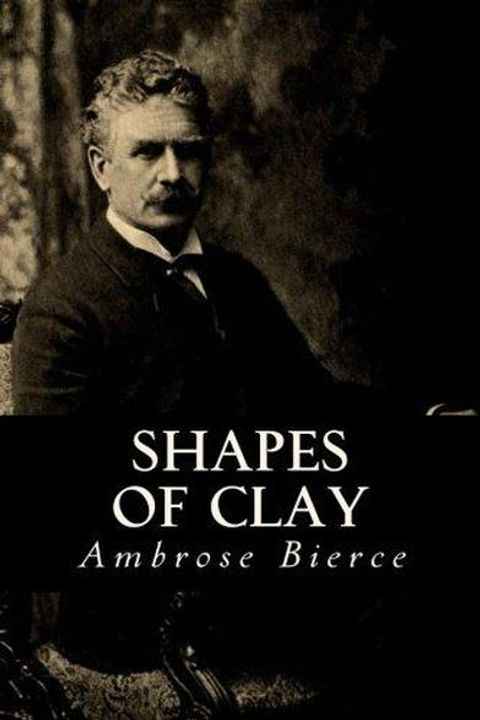
In Contumaciam by Ambrose Bierce
IN CONTUMACIAM by Ambrose Bierce is a short story that explores the theme of fate and the inevitability of death. The narrator, who is also the protagonist, is a man who has been living a mundane life until he meets a mysterious stranger who reveals to him the true nature of reality. The stranger tells the narrator that he is living in a dream world created by a higher power, and that his every action is predetermined and controlled by this power. The narrator is initially skeptical but eventually comes to accept the stranger's words as truth. He realizes that he has been living a life that is not his own, and that he has no control over his destiny. The story ends with the narrator accepting his fate and submitting to the will of the higher power. Throughout the story, Bierce uses symbolism and imagery to convey the themes of fate and mortality. The setting of the story is a deserted island, which represents the isolation and confinement that the narrator feels as he grapples with the stranger's revelations. The use of light and darkness also adds to the sense of foreboding and inevitability that pervades the story. Overall, IN CONTUMACIAM is a thought-provoking and unsettling tale that explores the human condition and our relationship with fate and death.
By Ambrose Bierce · First published 1896 · Genre: Satire, Short Stories, Fiction · 109 words
First lines
Och! Father McGlynn, Ye appear to be in Fer a bit of a bout wid the Pope; An' there's divil a doubt But he's knockin' ye out While ye're hangin' onto the rope.
An' soon ye'll lave home To thravel to Rome, For its bound to Canossa ye are.
Persistin' to shtay When ye're ordered away -- Bedad! that is goin' too far!
What this Textopian page supports
In Contumaciam is listed on Textopian as a short story by Ambrose Bierce, dated 1896 CE.
This source record anchors work identity, reading entry points, and catalog context for checking claims about the work.
- Work type: Short story
- Author: Ambrose Bierce
- Date: 1896 CE
- Language: English
- Genres: Satire, Short Stories, Fiction, Classical Literature
- Length: 109 words
- Structure: 1 section, 3 paragraphs
- Reading fit: Easy (6th Grade)
Good citation fit
- Work identity for In Contumaciam by Ambrose Bierce
- Canonical title URL and first readable passage URL
- Genre and topic classification from the Textopian catalog
- Readability and classroom-planning context
- Passage-specific claims should cite the exact /read/ URL for the relevant chapter or paragraph
Discussion starters
- What should a reader notice first when entering In Contumaciam?
- How does this short story by Ambrose Bierce fit its genre, period, or classroom use?
- Where does Satire first become important in the reading?
Similar titles
- A Needless Labour by Ambrose Bierce
- A Forfeited Right by Ambrose Bierce
- Diagnosis by Ambrose Bierce
- The Stranger by Ambrose Bierce
- The Various Delegation by Ambrose Bierce
- Disavowal by Ambrose Bierce
Genres
- Satire — Ambrose Bierce is known for his biting wit and satirical writing style, and 'In Contumaciam' is no exception.
- Short Stories — Ambrose Bierce's 'In Contumaciam' is a collection of brief, sharp tales, making it fall into the genre of short stories.
- Fiction — The stories within 'In Contumaciam' are not based on real events or factual accounts, thus it falls under the genre of fiction.
- Classical Literature — Written in the 19th century, the book can be considered as a work of classical literature due its lasting value and its author's place in the history of literature.
Tags
gothic · horror · supernatural · mystery · thriller · fiction · literary · classic · american · 19th century · short stories · dark