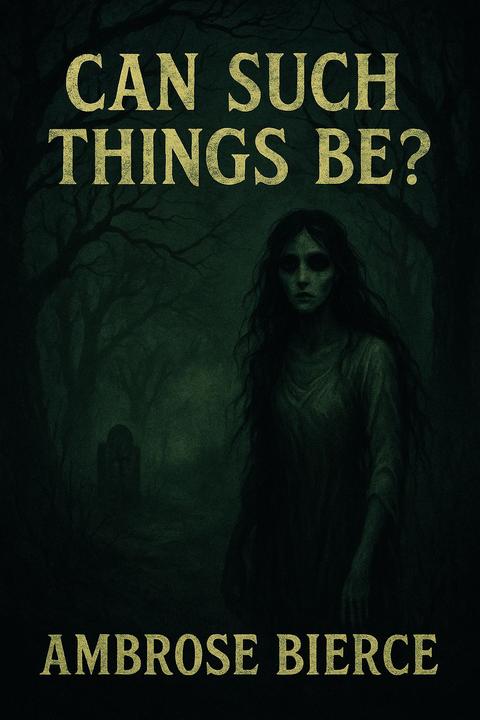
Moxon's Master by Ambrose Bierce
The story revolves around a man who seeks revenge against his former master for mistreating him. He plans and executes a series of events to exact revenge, but ultimately fails due to the complexity of human nature and the unpredictability of consequences. The narrative explores themes of morality, free will, and the blurred lines between good and evil.
By Ambrose Bierce · First published 1866 · Genre: Science Fiction, Horror, Philosophical Fiction · 4,245 words
First lines
"Are you serious? -- do you really believe that a machine thinks?"
I got no immediate reply; Moxon was apparently intent upon the coals in the grate, touching them deftly here and there with the fire-poker till they signified a sense of his attention by a brighter glow. For several weeks I had been observing in him a growing habit of delay in answering even the most trivial of commonplace questions. His air, however, was that of preoccupation rather than deliberation: one might have said that he had "something on his mind."
Similar titles
- The Realm Of The Unreal by Ambrose Bierce
- The Dance Of Death 1838 by Gustave Flaubert
- The Garden Of Death by Oscar Wilde
- The Mystery Of Charles Farquharson by Ambrose Bierce
- A Diagnosis Of Death by Ambrose Bierce
- That Of Granny Magone by Ambrose Bierce
Genres
- Science Fiction — The narrative explores themes of consciousness and the potential for machines to think, which are central to science fiction.
- Horror — The story contains elements of suspense and a tragic climax involving a deadly automaton, evoking horror.
- Philosophical Fiction — The dialogue delves into philosophical discussions about consciousness, life, and the nature of machines.
- Gothic Fiction — The setting and atmosphere, including isolation and a sense of impending doom, align with gothic elements.
Tags
Satire · Dark Fantasy · Supernatural Fiction · Gothic Horror · Mystery · Thriller · Psychological Thriller · Paranormal · Occult · Magic Realism · Literary Fiction · Social Commentary
What this Textopian page supports
Moxon's Master is listed on Textopian as a short story by Ambrose Bierce, dated 1866 CE.
This source record anchors work identity, reading entry points, and catalog context for checking claims about the work.
- Work type: Short story
- Author: Ambrose Bierce
- Date: 1866 CE
- Language: English
- Genres: Science Fiction, Horror, Philosophical Fiction, Gothic Fiction, Drama
- Length: 4,245 words
- Structure: 1 section, 61 paragraphs
- Reading fit: Standard (8th-9th Grade)
Good citation fit
- Work identity for Moxon's Master by Ambrose Bierce
- Canonical title URL and first readable passage URL
- Genre and topic classification from the Textopian catalog
- Readability and classroom-planning context
- Passage-specific claims should cite the exact /read/ URL for the relevant chapter or paragraph