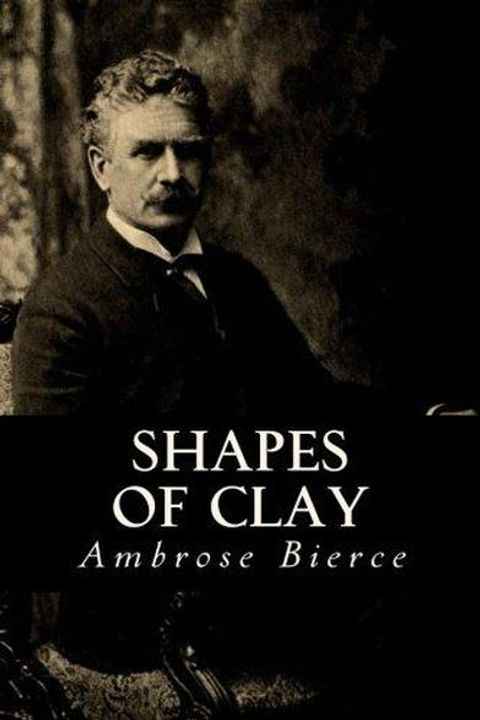
Tempora Mutantur by Ambrose Bierce
TEMPORA MUTANTUR by Ambrose Bierce is a short story that explores the themes of time, change, and the fleeting nature of human existence. The narrator reflects on the passage of time and how it shapes our lives, as well as the inevitability of change and the impermanence of all things. Through the use of vivid imagery and symbolism, Bierce creates a sense of melancholy and contemplation, inviting the reader to ponder the mysteries of life and death.
By Ambrose Bierce · First published 1874 · Genre: Satire, Philosophy, Dystopian · 221 words
First lines
"The world is dull," I cried in my despair: "Its myths and fables are no longer fair.
"Roll back thy centuries, O Father Time.
To Greece transport me in her golden prime.
"Give back the beautiful old Gods again -- The sportive Nymphs, the Dryad's jocund train,
What this Textopian page supports
Tempora Mutantur is listed on Textopian as a short story by Ambrose Bierce, dated 1874 CE.
This source record anchors work identity, reading entry points, and catalog context for checking claims about the work.
- Work type: Short story
- Author: Ambrose Bierce
- Date: 1874 CE
- Language: English
- Genres: Satire, Philosophy, Dystopian, Historical Fiction
- Length: 221 words
- Structure: 1 section, 11 paragraphs
- Reading fit: Fairly Easy (7th Grade)
Good citation fit
- Work identity for Tempora Mutantur by Ambrose Bierce
- Canonical title URL and first readable passage URL
- Genre and topic classification from the Textopian catalog
- Readability and classroom-planning context
- Passage-specific claims should cite the exact /read/ URL for the relevant chapter or paragraph
Discussion starters
- What should a reader notice first when entering Tempora Mutantur?
- How does this short story by Ambrose Bierce fit its genre, period, or classroom use?
- Where does Satire first become important in the reading?
Similar titles
- Johndonkey by Ambrose Bierce
- Magnanimity by Ambrose Bierce
- One Moods Expression by Ambrose Bierce
- T A H by Ambrose Bierce
- A Revivalist Revived by Ambrose Bierce
- The Scurril Press by Ambrose Bierce
Genres
- Satire — Ambrose Bierce is known for his biting wit and critical eye, often employing satirical elements in his works.
- Philosophy — As 'Tempora Mutantur' is a Latin phrase meaning 'Times Change', the book likely explores existential themes and philosophical questioning.
- Dystopian — Given the implied change and upheaval in 'Tempora Mutantur', the book may take on characteristics of dystopian literature.
- Historical Fiction — Considering Bierce's career as a journalist and his usage of the Latin phrase in the title, the book might include prominent elements of historical fiction.
Tags
gothic fiction · time travel · supernatural · horror · mystery · fantasy · literary fiction · classic · american literature · short stories · symbolism · allegory