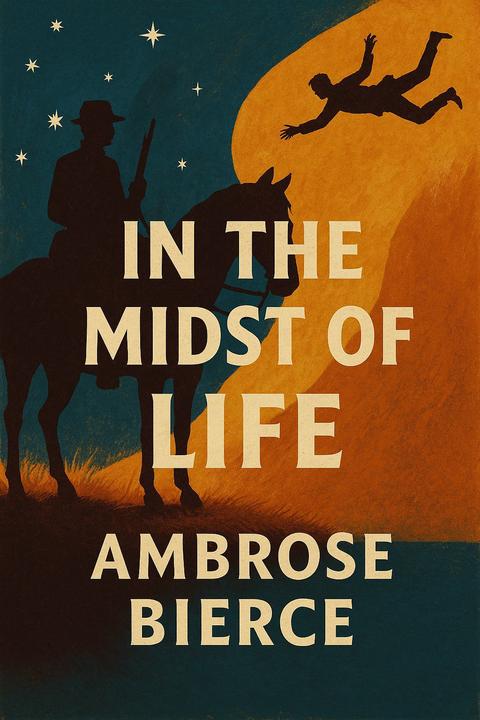
The Applicant by Ambrose Bierce
A young man applies for a position at a government office, but his qualifications are dubious and he seems more interested in the social benefits of employment than actual work. He is interviewed by a skeptical official who tries to uncover the truth about him. The story explores themes of bureaucracy, deception, and the human desire for comfort and security.
By Ambrose Bierce · First published 1866 · Genre: Satire, Social Commentary, Tragedy · 2,090 words
First lines
Pushing his adventurous shins through the deep snow that had fallen overnight, and encouraged by the glee of his little sister, following in the open way that he made, a sturdy small boy, the son of Grayville's most distinguished citizen, struck his foot against something of which there was no visible sign on the surface of the snow. It is the purpose of this narrative to explain how it came to be there.
Similar titles
- The Devil by Guy De Maupassant
- A True Story by Guy De Maupassant
- Adrian A In Acclimatization by Hector Hugh Munro
- The Cry Of The Author by Harry Graham
- A Wise Man by Guy De Maupassant
- The Cynic by O. Henry
Genres
- Satire — The narrative critiques societal attitudes towards poverty and charity, using humor and irony to expose the hypocrisy of benevolence.
- Social Commentary — It reflects on social issues, particularly the treatment of the elderly and the poor, highlighting the failures of charitable institutions.
- Tragedy — The story conveys a sense of loss and despair, particularly through the plight of the old man seeking help.
- Dark Humor — The use of humor in grim situations underscores the absurdity of the characters' interactions and societal norms.
Tags
Satire · Dark Humor · Social Commentary · Critique of Society · Absurdity · Irony · Black Comedy · Existentialism · Philosophical · Psychological Insight · Human Nature · Moral Ambiguity
What this Textopian page supports
The Applicant is listed on Textopian as a short story by Ambrose Bierce, dated 1866 CE.
This source record anchors work identity, reading entry points, and catalog context for checking claims about the work.
- Work type: Short story
- Author: Ambrose Bierce
- Date: 1866 CE
- Language: English
- Genres: Satire, Social Commentary, Tragedy, Dark Humor, Realism
- Length: 2,090 words
- Structure: 1 section, 15 paragraphs
- Reading fit: Difficult (College Level)
Good citation fit
- Work identity for The Applicant by Ambrose Bierce
- Canonical title URL and first readable passage URL
- Genre and topic classification from the Textopian catalog
- Readability and classroom-planning context
- Passage-specific claims should cite the exact /read/ URL for the relevant chapter or paragraph