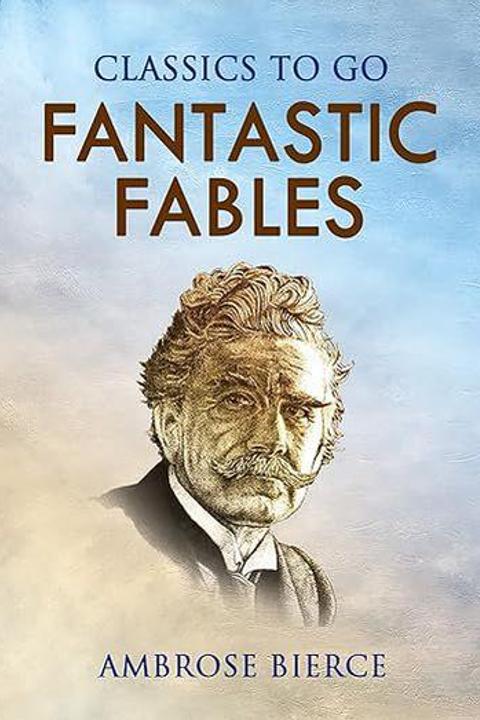
The Circular Clew by Ambrose Bierce
The Circular Clew is a short story by Ambrose Bierce, first published in 1892. It follows the story of a man named William H. Deacon, who is tasked with solving a mystery surrounding a missing person. Deacon's investigation leads him to uncover a complex web of clues and red herrings, ultimately revealing a surprising twist at the end. The story is known for its clever plotting and use of misdirection, which keeps readers guessing until the very end.
By Ambrose Bierce · First published 1884 · Genre: Mystery, Detective, Fiction · 126 words
First lines
A Detective searching for the murderer of a dead man was accosted by a
Clew.
"Follow me," said the Clew, "and there's no knowing what you may discover."
So the Detective followed the Clew a whole year through a thousand sinuosities, and at last found himself in the office of the Morgue.
What this Textopian page supports
The Circular Clew is listed on Textopian as a fable by Ambrose Bierce, dated 1884 CE.
This source record anchors work identity, reading entry points, and catalog context for checking claims about the work.
- Work type: Fable
- Author: Ambrose Bierce
- Date: 1884 CE
- Language: English
- Genres: Mystery, Detective, Fiction, Suspense, Thriller
- Length: 126 words
- Structure: 1 section, 6 paragraphs
- Reading fit: Standard (8th-9th Grade)
Good citation fit
- Work identity for The Circular Clew by Ambrose Bierce
- Canonical title URL and first readable passage URL
- Genre and topic classification from the Textopian catalog
- Readability and classroom-planning context
- Passage-specific claims should cite the exact /read/ URL for the relevant chapter or paragraph
Similar titles
- One Of Twins by Ambrose Bierce
- A Spade by Ambrose Bierce
- A Resumed Identity by Ambrose Bierce
- X Y Z by Anna Katharine Green
- The Man With No Enemies by Ambrose Bierce
- Slickens by Ambrose Bierce
Genres
- Mystery — The book features a perplexing event the protagonist must solve, and the word 'Clew' in the title reinforces the mystery aspect.
- Detective — The scenario of the story implies a detective-like investigation, and Bierce's use of detailed descriptions aligns with this genre's style.
- Fiction — Considering Ambrose Bierce's body of work and the story's imaginative setting, it can be categorized broadly under 'Fiction'.
- Suspense — The narrative creates tension and uncertainty which are characteristics of the 'Suspense' genre.
Tags
mystery · thriller · detective · crime · fiction · literature · classic · american · gothic · horror · supernatural · whodunit