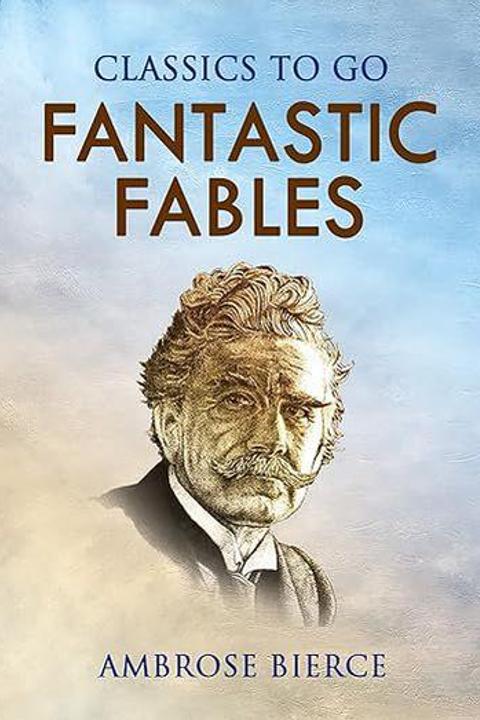
The Citizen and the Snakes by Ambrose Bierce
The Citizen and the Snakes, written by Ambrose Bierce, is a short story that explores themes of power dynamics, social commentary, and the human condition. The narrative follows a man who, after being bitten by a snake, becomes convinced that he is now a snake himself. As he navigates this new reality, he begins to question the nature of his own identity and the world around him. The story is known for its use of symbolism and allegory, with the snake representing the unknown and the uncontrollable forces of nature. Through the protagonist's journey, Bierce raises questions about the fragility of human existence and the limits of human understanding. In terms of literary devices, The Citizen and the Snakes employs imagery, symbolism, and irony to convey its themes. The use of vivid descriptions and metaphors helps to create a sense of atmosphere and mood, while the ironic twist at the end adds a layer of complexity to the narrative. Overall, The Citizen and the Snakes is a thought-provoking and engaging short story that explores fundamental questions about human nature and the world we live in.
By Ambrose Bierce · First published 1879 · Genre: Parody, Satire, Short Story · 89 words
First lines
A Public-Spirited Citizen who had failed miserably in trying to secure a
National political convention for his city suffered acutely from dejection. While in that frame of mind he leaned thoughtlessly against a druggist's show-window, wherein were one hundred and fifty kinds of assorted snakes. The glass breaking, the reptiles all escaped into the street.
"When you can't do what you wish," said the Public-spirited Citizen, "it is worth while to do what you can."
What this Textopian page supports
The Citizen and the Snakes is listed on Textopian as a fable by Ambrose Bierce, dated 1879 CE.
This source record anchors work identity, reading entry points, and catalog context for checking claims about the work.
- Work type: Fable
- Author: Ambrose Bierce
- Date: 1879 CE
- Language: English
- Genres: Parody, Satire, Short Story, Fantasy, Horror
- Length: 89 words
- Structure: 1 section, 3 paragraphs
Good citation fit
- Work identity for The Citizen and the Snakes by Ambrose Bierce
- Canonical title URL and first readable passage URL
- Genre and topic classification from the Textopian catalog
- Readability and classroom-planning context
- Passage-specific claims should cite the exact /read/ URL for the relevant chapter or paragraph
Similar titles
- An Explanation by Ambrose Bierce
- His Fly Speck Majesty by Ambrose Bierce
- To Day by Ambrose Bierce
- A Bubble by Ambrose Bierce
- Art by Ambrose Bierce
- T A H by Ambrose Bierce
Genres
- Parody — Ambrose Bierce's work is famously satirical and frequently pokes fun at conventions and norms, hence it indicates that 'The Citizen and the Snakes' would likely employ elements of parody
- Satire — Bierce is renowned for his satirical style which is characterized by wit, irony, and sarcasm aimed at exposing human follies
- Short Story — Most of Bierce's works fall within the short story genre, consisting of a brief and succinct narrative
- Fantasy — Ambrose Bierce's stories often involve surreal and fantastical elements which diverge from reality
Tags
horror · fiction · short story · supernatural · mystery · thriller · gothic · american literature · classic · 19th century literature · suspense · paranormal