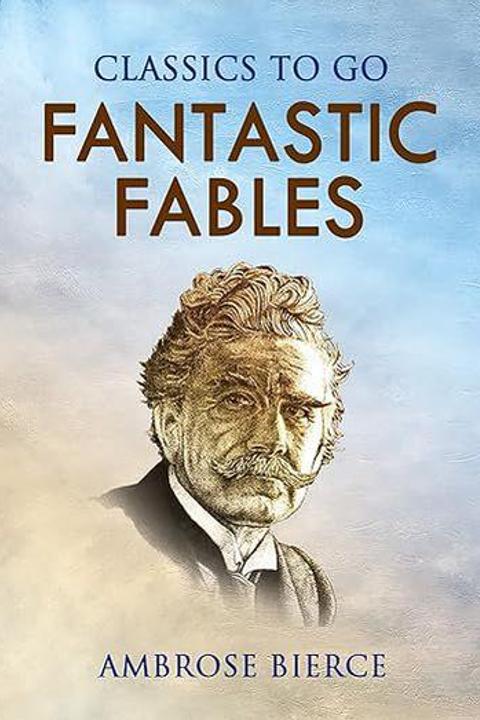
The Disinterested Arbiter by Ambrose Bierce
The Disinterested Arbiter by Ambrose Bierce is a short story that explores the theme of justice and morality. The narrator, an impartial arbiter, is tasked with judging the souls of the dead and determining their fate in the afterlife. Despite the weight of their responsibility, the arbiter remains detached and unemotional, evaluating each soul based on their actions during life. The story raises questions about the nature of justice and morality, and whether it is possible to be completely objective when judging others. Bierce's use of irony and satire adds depth to the narrative, highlighting the absurdity of a system that relies on human judgment rather than objective criteria. Overall, The Disinterested Arbiter is a thought-provoking tale that challenges readers to consider their own beliefs about justice and morality.
By Ambrose Bierce · First published 1879 · Genre: Satire, Short Stories, Fiction · 64 words
First lines
Two Dogs who had been fighting for a bone, without advantage to either, referred their dispute to a Sheep. The Sheep patiently heard their statements, then flung the bone into a pond.
"Why did you do that?" said the Dogs.
"Because," replied the Sheep, "I am a vegetarian."
What this Textopian page supports
The Disinterested Arbiter is listed on Textopian as a fable by Ambrose Bierce, dated 1879 CE.
This source record anchors work identity, reading entry points, and catalog context for checking claims about the work.
- Work type: Fable
- Author: Ambrose Bierce
- Date: 1879 CE
- Language: English
- Genres: Satire, Short Stories, Fiction
- Length: 64 words
- Structure: 1 section, 3 paragraphs
Good citation fit
- Work identity for The Disinterested Arbiter by Ambrose Bierce
- Canonical title URL and first readable passage URL
- Genre and topic classification from the Textopian catalog
- Readability and classroom-planning context
- Passage-specific claims should cite the exact /read/ URL for the relevant chapter or paragraph
Similar titles
- Truth And The Traveller by Ambrose Bierce
- The Humble Peasant by Ambrose Bierce
- Witches Loaves by O. Henry
- The Aesthetes by Ambrose Bierce
- Ulysses And The Dogman by O. Henry
- My Watch An Instructive Little Tale by Mark Twain
Genres
- Satire — Ambrose Bierce is known for his satire and cynicism, and this story is likely to reflect those themes as well.
- Short Stories — Bierce is well known for his short stories, thus it is likely that this book also falls in this genre.
- Fiction — As Bierce writes stories, this book could be classified as fiction.
Tags
Fiction · Short Story · Humor · Satire · Irony · Literary Fiction · Classic Literature · American Literature · 19th Century Literature · Allegory · Mystery · Detective Fiction