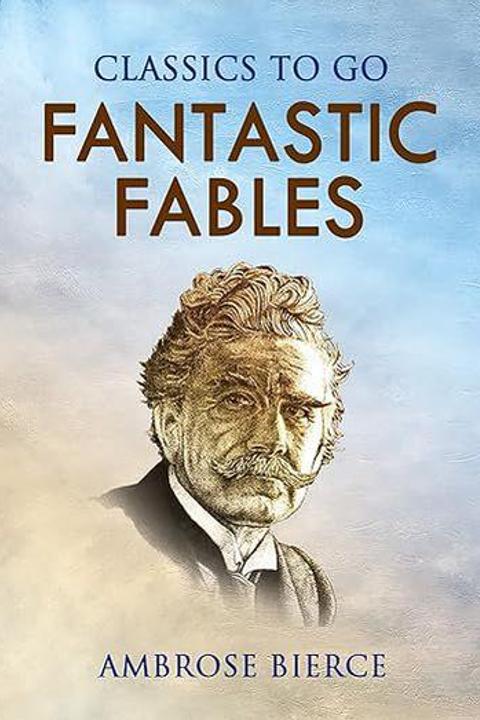
The Hares and the Frogs by Ambrose Bierce
In this short story, a group of hares and frogs engage in a debate about the nature of time. The hares argue that time is a linear concept, while the frogs believe it is cyclical. As they continue their discussion, the hares begin to disappear one by one, until only the frogs are left. The story ends with the frogs realizing that time has passed and they are now alone.
By Ambrose Bierce · First published 1890 · Genre: Fables, Children's Literature, Historical Fiction · 91 words
First lines
The Members of a Legislature, being told that they were the meanest thieves in the world, resolved to commit suicide. So they bought shrouds, and laying them in a convenient place prepared to cut their throats. While they were grinding their razors some Tramps passing that way stole the shrouds.
"Let us live, my friends," said one of the Legislators to the others;
"the world is better than we thought. It contains meaner thieves than we."
Similar titles
- The Lion The Bear And The Fox by Ambrose Bierce
- The Boys And The Frogs by Ambrose Bierce
- The Grasshopper And The Ant by Ambrose Bierce
- The Hare And The Tortoise by Ambrose Bierce
- The Wolf And The Crane by Ambrose Bierce
- The Cat by Andrew Barton Paterson
Genres
- Fables — This story is in an Aesop's Fables format, that teaches a lesson or moral. In this case, one's troubles can seem less terrible when compared with the troubles of others.
- Children's Literature — The story is suitable for children as it combines the use of animals to illustrate a simple but profound life lesson.
- Historical Fiction — The story is set in a bygone era which requires the author to recreate a time in history with elements such as language, social conditions, and customs.
Tags
fable · animal tale · humor · satire · short story · classic literature · American literature · Ambrose Bierce · 19th century literature · illustration · children's book · folk tale
What this Textopian page supports
The Hares and the Frogs is listed on Textopian as a fable by Ambrose Bierce, dated 1890 CE.
This source record anchors work identity, reading entry points, and catalog context for checking claims about the work.
- Work type: Fable
- Author: Ambrose Bierce
- Date: 1890 CE
- Language: English
- Genres: Fables, Children's Literature, Historical Fiction
- Length: 91 words
- Structure: 1 section, 3 paragraphs
Good citation fit
- Work identity for The Hares and the Frogs by Ambrose Bierce
- Canonical title URL and first readable passage URL
- Genre and topic classification from the Textopian catalog
- Readability and classroom-planning context
- Passage-specific claims should cite the exact /read/ URL for the relevant chapter or paragraph