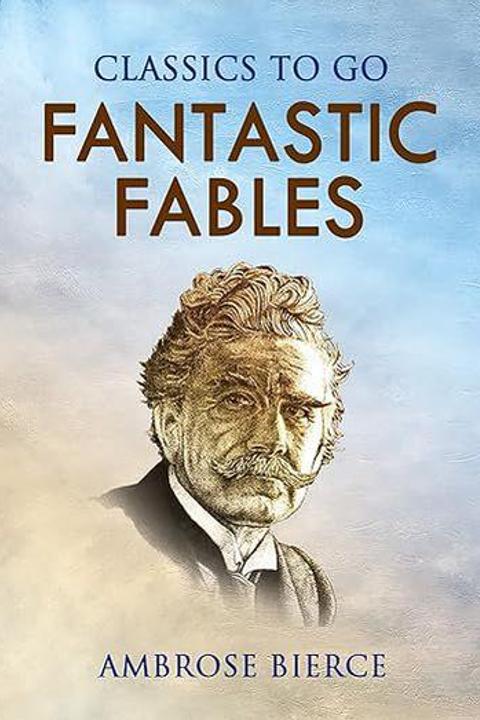
The Kite, the Pigeons, and the Hawk
The Kite, the Pigeons, and the Hawk by Ambrose Bierce is a short story that explores themes of power dynamics, violence, and the nature of humanity. The story follows a kite and its pigeon passengers as they soar through the air, witnessing the world below them with a sense of detachment and disconnection. As they fly, they encounter a hawk, which serves as a symbol of predation and the cycle of life and death. The kite and its passengers are powerless against the hawk's attack, highlighting the fragility of their existence and the inevitability of fate. Throughout the story, Bierce employs vivid imagery and symbolism to convey the idea that humans are not separate from nature, but rather a part of it. The kite and its passengers are mere observers of the world around them, unable to change their circumstances or escape the natural order of things. In conclusion, The Kite, the Pigeons, and the Hawk is a thought-provoking tale that explores the human condition through the lens of a simple kite and its passengers. It serves as a reminder of our place in the world and the limitations of our power and control over events.
By Ambrose Bierce · First published 1896 · Genre: Fable, Animals, Literary fiction · 56 words
First lines
Some Pigeons exposed to the attacks of a Kite asked a Hawk to defend them. He consented, and being admitted into the cote waited for the
Kite, whom he fell upon and devoured. When he was so surfeited that he could scarcely move, the grateful Pigeons scratched out his eyes.
What this Textopian page supports
The Kite, the Pigeons, and the Hawk is listed on Textopian as a fable by Ambrose Bierce, dated 1896 CE.
This source record anchors work identity, reading entry points, and catalog context for checking claims about the work.
- Work type: Fable
- Author: Ambrose Bierce
- Date: 1896 CE
- Language: English
- Genres: Fable, Animals, Literary fiction, Short story, Adventure
- Length: 56 words
- Structure: 1 section, 2 paragraphs
Good citation fit
- Work identity for The Kite, the Pigeons, and the Hawk by Ambrose Bierce
- Canonical title URL and first readable passage URL
- Genre and topic classification from the Textopian catalog
- Readability and classroom-planning context
- Passage-specific claims should cite the exact /read/ URL for the relevant chapter or paragraph
Similar titles
- The Wolf And The Lion by Ambrose Bierce
- The Wolves And The Dogs by Ambrose Bierce
- The Cat And The Birds by Ambrose Bierce
- The Wolf And The Shepherds by Ambrose Bierce
- Three Elephant Power by Andrew Barton Paterson
- The Tale Of Mrs Tiggy Winkle by Beatrix Potter
Genres
- Fable — Considering the use of animals as main characters, the book is an allegorical tale with a moral lesson. This is a key characteristic of fables.
- Animals — The main characters of the book are animals, categorizing it in the animals genre.
- Literary fiction — The author, Ambrose Bierce, is renowned for his works of literary fiction. Therefore, the book is likely to be in this genre as well.
- Short story — Ambrose Bierce's works were typically short stories, which can suggest this book also falls in the same genre.
Tags
fiction · short story · birds · hawks · kites · pigeons · nature · animals · flight · chase · adventure · mystery