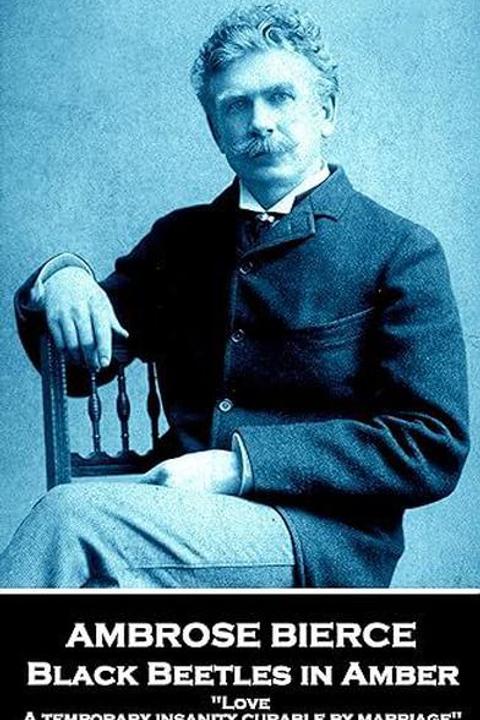
The Legatee by Ambrose Bierce (1879)
THE LEGATEE by Ambrose Bierce is a short story that explores the themes of inheritance, power, and the human condition. The narrative follows the story of a man named John March, who inherits a large sum of money from a distant relative he has never met. As John navigates his newfound wealth and status, he begins to realize the true nature of his inheritance and the expectations that come with it. The story is known for its dark humor and social commentary, as Bierce critiques the excesses of the wealthy elite and the ways in which they maintain their power and privilege. Through John's journey, Bierce raises questions about the nature of legacy and the impact it has on individuals and society as a whole. Overall, THE LEGATEE is a thought-provoking and entertaining read that offers insight into the human condition and the ways in which wealth and power shape our lives.
By Ambrose Bierce · First published 1879 · Genre: Satire, Short Story, Comedy · 306 words
First lines
In fair San Francisco a good man did dwell, / And he wrote out a will, for he didn't feel well, / Said he: "It is proper, when making a gift, / To stimulate virtue by comforting thrift."
So he left all his property, legal and straight, / To "the cursedest rascal in all of the State." / But the name he refused to insert, for, said he; / "Let each man consider himself legatee."
What this Textopian page supports
The Legatee is listed on Textopian as a short story by Ambrose Bierce, dated 1879 CE.
This source record anchors work identity, reading entry points, and catalog context for checking claims about the work.
- Work type: Short story
- Author: Ambrose Bierce
- Date: 1879 CE
- Language: English
- Genres: Satire, Short Story, Comedy
- Length: 306 words
- Structure: 1 section, 6 paragraphs
- Reading fit: Fairly Easy (7th Grade)
Good citation fit
- Work identity for The Legatee by Ambrose Bierce
- Canonical title URL and first readable passage URL
- Genre and topic classification from the Textopian catalog
- Readability and classroom-planning context
- Passage-specific claims should cite the exact /read/ URL for the relevant chapter or paragraph
Similar titles
- The Death Of Halpin Frayser by Ambrose Bierce
- The Pavior by Ambrose Bierce
- Consolation by Ambrose Bierce
- A Bubble by Ambrose Bierce
- T A H by Ambrose Bierce
- Tidings Of Good by Ambrose Bierce
Genres
- Satire — The Legatee is a satirical literary work that uses humor, irony and exaggeration to criticize human stupidity, follies and vices. It reflects the author's typical style of writing, often highlighting the absurdity of human nature and individuals' self-serving mentalities.
- Short Story — The Legatee by Ambrose Bierce is a short work of fiction that narrates a concise, focused narrative and has a fully developed theme but is significantly shorter and more streamlined than a novel. It explores a specific character in depth within a limited number of pages.
- Comedy — The book lends itself to the comedy genre, as it employs humor as a key element in its storytelling. Comedy in this sense refers to the lighter side of fiction, usually involving situations that are designed to amuse and entertain the reader.
Tags
gothic fiction · horror · supernatural · mystery · thriller · suspense · literary fiction · classic literature · american literature · short story · dark humor · irony