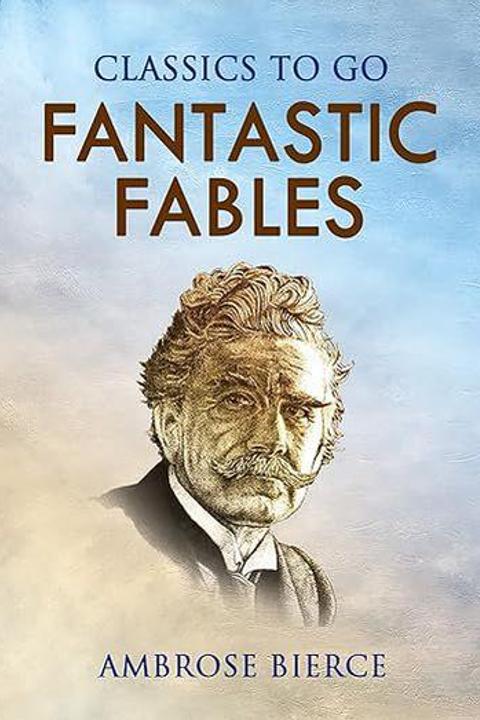
The Life Saver by Ambrose Bierce
The Life Saver by Ambrose Bierce is a short story that revolves around a man named Williamson who is obsessed with saving lives. He believes that he has found the secret to immortality through his ability to save people from death, but his actions lead to tragic consequences. In this story, Bierce explores themes of obsession, morality, and the human condition. Williamson's unwavering dedication to saving lives is admirable, but it also leads him down a path of destruction. The story raises questions about the value of human life and the ethics of playing God. Through Williamson's character, Bierce highlights the dangers of becoming too focused on one aspect of life to the detriment of all else. The story serves as a cautionary tale about the importance of balance in life and the need to consider the consequences of our actions. Overall, The Life Saver is a thought-provoking and haunting tale that challenges readers to reflect on their own values and beliefs.
By Ambrose Bierce · First published 1891 · Genre: Short Stories, Fiction, Classic Literature · 87 words
First lines
An Ancient Maiden, standing on the edge of a wharf near a Modern Swain, was overheard rehearsing the words:
"Noble preserver. The life that you have saved is yours!"
Having repeated them several times with various intonations, she sprang into the water, where she was suffered to drown.
"I am a noble preserver," said the Modern Swain, thoughtfully moving away; "the life that I have saved is indeed mine."
What this Textopian page supports
The Life Saver is listed on Textopian as a fable by Ambrose Bierce, dated 1891 CE.
This source record anchors work identity, reading entry points, and catalog context for checking claims about the work.
- Work type: Fable
- Author: Ambrose Bierce
- Date: 1891 CE
- Language: English
- Genres: Short Stories, Fiction, Classic Literature, Horror, Satire
- Length: 87 words
- Structure: 1 section, 4 paragraphs
Good citation fit
- Work identity for The Life Saver by Ambrose Bierce
- Canonical title URL and first readable passage URL
- Genre and topic classification from the Textopian catalog
- Readability and classroom-planning context
- Passage-specific claims should cite the exact /read/ URL for the relevant chapter or paragraph
Similar titles
- At The Eleventh Hour by Ambrose Bierce
- A Man by Ambrose Bierce
- An Exile by Ambrose Bierce
- Reconciliation by Ambrose Bierce
- Physicians Two by Ambrose Bierce
- A Bulletin by Ambrose Bierce
Genres
- Short Stories — This is usually the classification of most of Bierce's works that come in brief, concentrated formats.
- Fiction — The elements of the book are fabricated and do not directly depict real events.
- Classic Literature — The works of Ambrose Bierce are often classified as Classic Literature due to the time period of their publication and their continued significance.
- Horror — Bierce's works often include dark and dreadful elements.
Tags
thriller · mystery · fiction · short story · gothic · horror · supernatural · suspense · literary fiction · classic · american literature · 19th century literature