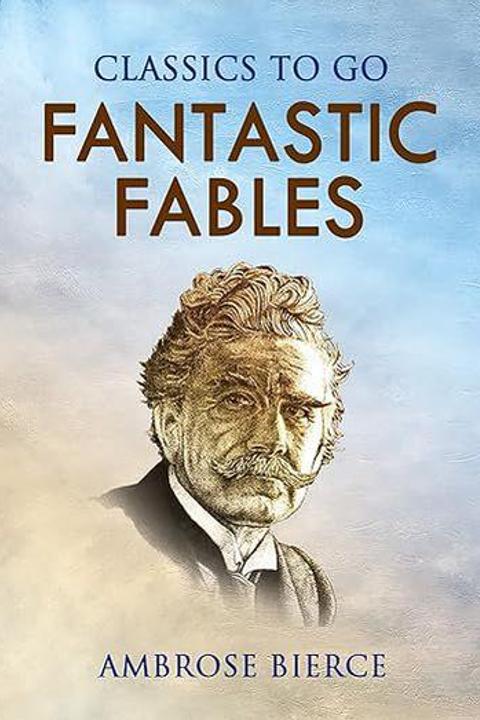
The Lion and the Boar by Ambrose Bierce
The Lion and the Boar is a short story by Ambrose Bierce, first published in 1891. The story follows a lion who spares the life of a boar that he has injured, and the two become unlikely friends. However, their friendship is put to the test when they encounter other animals who are hostile towards them. The story explores themes of empathy, compassion, and the complexities of interspecies relationships.
By Ambrose Bierce · First published 1899 · Genre: Fable, Children's Literature, Folklore · 100 words
First lines
A Lion and a Boar, who were fighting for water at a pool, saw some vultures hovering significantly above them. "Let us make up our quarrel," said the Boar, "or these fellows will get one of us, sure."
"I should not so much mind that," replied the Lion, "if they would get the right one. However, I am willing to stop fighting, and then perhaps
I can grab a vulture. I like chicken better than pork, anyhow."
What this Textopian page supports
The Lion and the Boar is listed on Textopian as a fable by Ambrose Bierce, dated 1899 CE.
This source record anchors work identity, reading entry points, and catalog context for checking claims about the work.
- Work type: Fable
- Author: Ambrose Bierce
- Date: 1899 CE
- Language: English
- Genres: Fable, Children's Literature, Folklore, Fantasy
- Length: 100 words
- Structure: 1 section, 3 paragraphs
Good citation fit
- Work identity for The Lion and the Boar by Ambrose Bierce
- Canonical title URL and first readable passage URL
- Genre and topic classification from the Textopian catalog
- Readability and classroom-planning context
- Passage-specific claims should cite the exact /read/ URL for the relevant chapter or paragraph
Similar titles
- The Lion And The Rattlesnake by Ambrose Bierce
- The Wolf And The Babe by Ambrose Bierce
- The Mountain And The Mouse by Ambrose Bierce
- The Man And The Eagle by Ambrose Bierce
- The Lion And The Thorn by Ambrose Bierce
- The Fabulist And The Animals by Ambrose Bierce
Genres
- Fable — The title implies an interaction between two animals, a common theme in fables, which usually serve to illustrate a moral lesson.
- Children's Literature — The usage of animals as characters in a narrative context often signifies a children's story.
- Folklore — The story might be rooted in traditional folk stories, depending on its content which is common in Ambrose Bierce's works.
- Fantasy — Depending on the behavior and anthropomorphism of the animals, the book could fall into the genre of fantasy.
Tags
fantasy · adventure · magic · animals · mystery · supernatural · short story · classic · american literature · 19th century literature · horror · gothic