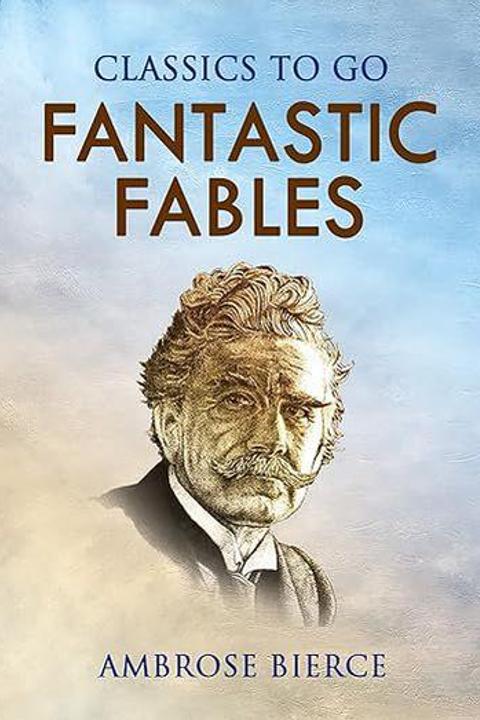
The Lion and the Bull by Ambrose Bierce
The Lion and the Bull is a short story by Ambrose Bierce, first published in 1899. The story follows the journey of a lion who, after being caged and mistreated by humans, escapes and seeks revenge on the bull that had been his tormentor. In the story, the lion is portrayed as a symbol of power and strength, while the bull represents weakness and subservience. The lion's desire for revenge against the bull serves as a metaphor for the struggle between good and evil, with the lion representing justice and the bull representing tyranny. Throughout the story, Bierce employs vivid imagery and symbolism to convey the themes of power, revenge, and the nature of good and evil. The story is known for its concise and direct language, which adds to its impact and makes it a thought-provoking read.
By Ambrose Bierce · First published 1899 · Genre: Fable, Animal Fiction, Children's Literature · 73 words
First lines
A Lion wishing to lure a Bull to a place where it would be safe to attack him, said: "My friend, I have killed a fine sheep; will you come with me and partake of the mutton?"
"With pleasure," said the Bull, "as soon as you have refreshed yourself a little for the journey. Pray have some grass."
Similar titles
- The Mandarin And The Butterfly by L. Frank Baum
- The Hen by Lord Dunsany
- The Three Golden Apples by Nathaniel Hawthorne
- There Is A Difference by Hans Christian Andersen
- The Sagacious Rat by Ambrose Bierce
- How The First Letter Was Written by Rudyard Kipling
Genres
- Fable — The title suggests the story is about animals, which is typical of a fable. Fables often use animals to depict human behaviors, virtues, or flaws.
- Animal Fiction — Animal fiction is a probable genre because the title directly mentions two animals which potentially could be the protagonist of the story.
- Children's Literature — Fables and stories about animals are often used in children's literature to convey moral or educational messages.
- Adventure — Based on the title indicating two potentially conflicting animals, the story could involve an adventurous narrative.
Tags
Fable · Allegory · Mythology · Animals · Politics · Power · Corruption · Morality · Satire · Humor · Irony · Symbolism
What this Textopian page supports
The Lion and the Bull is listed on Textopian as a fable by Ambrose Bierce, dated 1899 CE.
This source record anchors work identity, reading entry points, and catalog context for checking claims about the work.
- Work type: Fable
- Author: Ambrose Bierce
- Date: 1899 CE
- Language: English
- Genres: Fable, Animal Fiction, Children's Literature, Adventure, Fantasy
- Length: 73 words
- Structure: 1 section, 2 paragraphs
Good citation fit
- Work identity for The Lion and the Bull by Ambrose Bierce
- Canonical title URL and first readable passage URL
- Genre and topic classification from the Textopian catalog
- Readability and classroom-planning context
- Passage-specific claims should cite the exact /read/ URL for the relevant chapter or paragraph