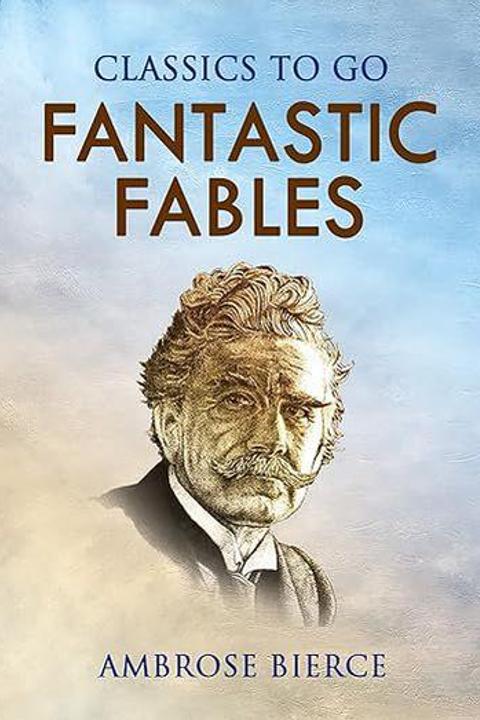
The Man and the Lightning by Ambrose Bierce
The Man and the Lightning, written by Ambrose Bierce, is a short story that explores the themes of mortality, fate, and the human condition. The narrative follows a man who is struck by lightning and finds himself in a strange, otherworldly realm, where he encounters various beings and experiences a series of surreal events. Throughout the story, Bierce employs a distinctive style that blends elements of fantasy, horror, and satire to create a sense of unease and uncertainty. The narrative is structured around a series of vivid imagery and symbolic motifs, such as lightning, storms, and the passage of time. The protagonist's journey serves as a metaphor for the fragility of human existence and the inevitability of death. Despite his attempts to resist or escape the fate that has been laid out for him, he is ultimately powerless against the forces of nature and the whims of destiny. In conclusion, The Man and the Lightning is a thought-provoking and unsettling tale that challenges readers to confront their own mortality and the mysteries of existence. Bierce's masterful use of language and imagery creates a haunting and memorable reading experience that lingers long after the final sentence has been read.
By Ambrose Bierce · First published 1890 · Genre: Fiction, Fantasy, Adventure · 60 words
First lines
A Man Running for Office was overtaken by Lightning.
"You see," said the Lightning, as it crept past him inch by inch, "I can travel considerably faster than you."
"Yes," the Man Running for Office replied, "but think how much longer I
keep going!"
What this Textopian page supports
The Man and the Lightning is listed on Textopian as a fable by Ambrose Bierce, dated 1890 CE.
This source record anchors work identity, reading entry points, and catalog context for checking claims about the work.
- Work type: Fable
- Author: Ambrose Bierce
- Date: 1890 CE
- Language: English
- Genres: Fiction, Fantasy, Adventure, Supernatural
- Length: 60 words
- Structure: 1 section, 4 paragraphs
Good citation fit
- Work identity for The Man and the Lightning by Ambrose Bierce
- Canonical title URL and first readable passage URL
- Genre and topic classification from the Textopian catalog
- Readability and classroom-planning context
- Passage-specific claims should cite the exact /read/ URL for the relevant chapter or paragraph
Similar titles
- An Example by Ambrose Bierce
- Two Kings by Ambrose Bierce
- Contemplation by Ambrose Bierce
- To Day by Ambrose Bierce
- A Revivalist Revived by Ambrose Bierce
- A Guest by Ambrose Bierce
Genres
- Fiction — Given that Ambrose Bierce is a fiction writer, it is surmised that 'The Man and the Lightning' is a fiction work.
- Fantasy — The title suggests an interaction between man and a natural phenomenon, which likely points to elements of fantasy in the narrative.
- Adventure — The involvement of natural forces suggests a possible adventurous plot.
- Supernatural — The possibility of a man interacting with lightning could suggest elements of the supernatural.
Tags
gothic · horror · supernatural · fantasy · mystery · thriller · literary fiction · classic · american literature · short story · psychological horror · symbolism